

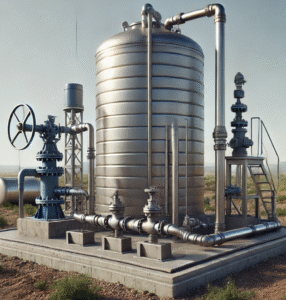
If you’re curious about what keeps your well-water system humming smoothly, you’re in the right place! Water well tanks (sometimes called pressure tanks or well pressure vessels) are crucial components that help regulate water pressure, prevent pump short-cycling, and ensure a steady flow of water to your home or property. Whether you’re exploring options for a new installation or just want to understand how your existing system works, this article will walk you through everything you need to know about water well tanks—from what they are and how they work to selecting the right one for your needs. Let’s dive in! 💧🏠
What Are Water Well Tanks?
A water well tank is a pressure vessel that holds water delivered from a well pump. Its primary role is to maintain consistent water pressure and to reduce the workload on your pump. When the tank has stored water under pressure, the pump doesn’t have to turn on and off every single time you open a tap — it only kicks in when pressure drops below a set threshold. That simple mechanism protects your pump from wear and tear, saves energy, and gives you a steadier flow.
Expert sources like the U.S. Department of Energy explain the role of pressure tanks in conserving energy and preventing pump wear, which can extend equipment lifespan and improve efficiency. Learn more.
How Does a Water Well Tank Work?
Here’s the gist: Inside the tank, there’s typically a bladder or diaphragm that separates the water from an air chamber. When the well pump fills the tank, water compresses the air. That compressed air then acts to push the water out when you open a tap. The pump runs only until the tank reaches its upper pressure limit (often around 40–60 psi) and kicks back in once pressure dips to the lower limit (typically 20–40 psi).
The Natural Resources Defense Council (NRDC) discusses how well systems and pressure tanks help stabilize household water delivery and reduce energy waste. Check it out.
Key Benefits of Water Well Tanks
-
Pump Protection: Reducing short cycling (rapid on/off cycles) dramatically extends the well pump’s life.
-
Energy Savings: The pump runs less frequently, using less electricity overall.
-
Pressure Stability: You get smoother, more even water pressure—no more jolts or sudden drops when multiple fixtures are active.
-
Water on Demand: The stored water in the tank gives you an immediate reserve—ideal for peak use times like showers or watering the garden.
The Environmental Protection Agency (EPA) has insights on how efficient household systems—including well setups—rely on components like pressure tanks to conserve resources and maintain performance. See details.
Types of Water Well Tanks
There are a few main types:
-
Steel diaphragm tanks – robust, durable, traditional design with a rubber diaphragm inside.
-
Bladder tanks – similar in function but use a replaceable, flexible bladder that’s easier to service.
-
Composite or fiberglass tanks – newer, lighter, and corrosion-resistant options, though often pricier.
Each type has pros and cons in terms of maintenance, longevity, and price. For example, locating a small puncture in a steel diaphragm can be tricky, while replacing a bladder is often simpler and more cost-effective.
Sizing a Water Well Tank
Tank size matters! Too small, and it won’t provide enough reserve; too large, and you’ll waste space and money. Sizing typically depends on your pump’s flow rate, how often you use water, and what pressure you need.
A common rule: Storage (in gallons) ≈ (Pump GPM × 2) for typical household use. Professionals often calculate drawdown (usable water before pump restarts) and match tank size to daily usage patterns. Accurate sizing ensures efficiency and longevity.
Maintenance & Troubleshooting
Taking care of your well tank means checking pressure with a gauge annually and ensuring the air charge matches your system’s cut-in pressure (typically pump cut-in minus 2 psi). If you notice symptoms like the pump short-cycling, sputtering faucets, or sluggish water startup, the issue might be a waterlogged tank (full of water, no air cushion) or a ruptured bladder/diaphragm.
To test: shut off the pump, drain some water, and then check air pressure. If there’s water in the air-side or pressure is way off, servicing—like recharging air or replacing the bladder—is needed.
Choosing the Right Water Well Tank
When selecting a tank, consider:
-
Material (steel vs. bladder vs. composite)
-
Capacity based on your pump’s performance and household demand
-
Pressure rating that matches your system (e.g., 40/60 psi)
-
Certification (some tanks meet NSF/ANSI standards for safe drinking water contact)
-
Local climate and water quality (hard water can accelerate corrosion; fiberglass holds up better in those settings)
Pro tips:
-
Pick a tank slightly larger than your minimum requirement to allow a buffer for peak use.
-
If your household has really variable water use (e.g., big garden sprinklers + showers), a larger tank is a good investment.
-
Always buy from reputable manufacturers, and consider finding one with easy-to-access air valves for maintenance.
Real-World Example: How a Typical Home Uses a Water Well Tank
Imagine a suburban home with a pump rated at 10 gallons per minute (GPM). A well tank with a 40/60 psi range sized to offer 10–15 gallons of drawdown means the pump might only cycle three to four times per hour, even during heavy use. That’s hundreds fewer cycles daily, reducing wear and boosting reliability. Meanwhile, showers enjoy steady pressure even when the washing machine is running. Sounds simple—yet this is a smart, practical solution that saves time, energy, and repairs in the long run.
Conclusion
Water well tanks are unsung heroes of your home’s water system. They regulate pressure, protect your pump, enhance water flow stability, and save energy—all while giving you more consistent, reliable access to well water. Understanding how they work, how to pick the right type, and how to maintain them can benefit any homeowner or property manager with a well system. If you’d like help sizing a tank, diagnosing performance issues, or exploring greener options, I’d be happy to help further!