

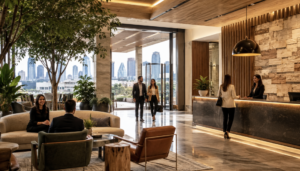
In Dallas, business moves fast. Companies are growing, neighborhoods are evolving, and customers have more choices than ever before. A great product or service still matters, but today, the space where a business operates can shape the customer experience before a single conversation begins. From a corporate office to a retail showroom, restaurant, medical space, hospitality environment, or professional service firm, design influences how people feel, how long they stay, and how much they trust the business in front of them.
That is why commercial architectural interior design has become such a powerful advantage for Dallas businesses. It is not only about making a space look attractive. It is about creating an environment that communicates professionalism, comfort, confidence, and brand identity the moment someone walks through the door. In a competitive city like Dallas, that first impression can make a lasting difference. 🚀
Dallas has always carried a strong business identity. As one of the most recognized cities in Texas, Dallas continues to be known for commerce, corporate growth, real estate, culture, hospitality, and innovation. For business owners, that creates both opportunity and pressure. Customers expect more. Employees expect better. Clients want to feel like they are dealing with a company that is established, capable, and worth trusting.
That feeling often starts with the space itself.
Why Business Spaces Influence Customer Confidence
Customers may not always know how to explain why they trust one business more than another, but they notice details. They notice lighting. They notice layout. They notice whether a space feels clean, organized, modern, warm, cramped, outdated, confusing, or welcoming. Every part of the physical environment sends a message.
A poorly planned commercial space can unintentionally create doubt. If the lobby feels cold, the seating is uncomfortable, the flow is confusing, or the finishes feel neglected, customers may wonder if the business pays the same level of attention to its work. On the other hand, a thoughtfully designed space can immediately create confidence. It tells customers that the company cares about quality, experience, and presentation.
For Dallas businesses, this matters because competition is not limited to the company down the street. Businesses are competing with polished brands, online expectations, national chains, boutique experiences, and modern customer standards. People have become used to well-designed environments. They see them in hotels, restaurants, showrooms, coworking spaces, and retail stores. When a local business invests in its interior environment, it tells customers that it belongs in the same conversation.
Commercial Design as a Business Strategy
Good design should never feel random. The best commercial interiors are built around strategy. They support how customers move, how employees work, how services are delivered, and how the brand wants to be remembered.
A law office may need to communicate trust, privacy, and professionalism. A medical office may need to feel calm, clean, and reassuring. A retail business may need a layout that encourages browsing and makes products easy to understand. A restaurant may need an atmosphere that makes guests want to stay longer and return often. A corporate office may need to impress clients while also helping employees collaborate and focus.
This is where Commercial Architectural Interior Design Dallas becomes more than a design service. It becomes a business tool. The right design can help a company guide customer behavior, improve employee experience, strengthen brand identity, and create a space that feels intentional from the entrance to the final interaction.
In a market connected to major growth and business activity, design becomes part of how a company positions itself. The Dallas Regional Chamber highlights the region’s role in economic growth, innovation, and opportunity, which reinforces how important it is for local businesses to present themselves with clarity and confidence. When a city is growing, businesses must grow in how they look, feel, and serve.
How Interior Design Changes the Way Customers Feel
People remember feelings. They may forget the exact color of the wall or the material on the counter, but they remember whether a space made them feel comfortable, rushed, impressed, confused, relaxed, or valued.
Commercial architectural interior design shapes those feelings through many layers. Lighting can make a room feel energetic, calm, luxurious, or clinical. Space planning can make movement feel natural instead of frustrating. Furniture can encourage people to sit, talk, wait, browse, or gather. Materials can communicate warmth, durability, elegance, creativity, or sophistication. Even sound, texture, signage, and visual balance affect how people respond.
For example, a business lobby with natural light, comfortable seating, clear directional flow, and branded design elements can make customers feel welcomed and confident. A showroom with strong product displays and intentional pathways can help customers understand what is being offered without feeling overwhelmed. A conference room with polished finishes and thoughtful acoustics can help meetings feel more professional and productive.
These emotional responses matter because they influence customer decisions. When people feel comfortable, they are more likely to stay. When they feel confident, they are more likely to trust. When they feel impressed, they are more likely to remember the business and recommend it to someone else.
The Dallas Customer Expects More
Dallas is not a sleepy business market. It is active, competitive, and constantly changing. Business owners are surrounded by companies that are investing in better branding, better digital presence, better customer service, and better physical spaces. Customers see that difference.
Local business news sources such as the Dallas Business Journal regularly cover company growth, commercial development, hiring, real estate activity, and major business moves across the region. That constant movement creates a business culture where standing still can make a company feel behind. A dated or poorly planned space can quietly work against a business, even if the service itself is excellent.
The same is true for professional service companies. A customer walking into an accounting firm, consulting office, medical practice, legal office, or design showroom is already forming an opinion. They are asking themselves whether the company feels credible. They are deciding whether the business appears organized. They are noticing whether the space matches the level of service being promised.
This does not mean every business needs an expensive or extravagant interior. It means the space should be aligned with the brand, the customer, and the purpose of the business. A simple, clean, well-planned space can be more powerful than a flashy one that feels disconnected from the company’s identity.
Design Helps Businesses Tell a Better Brand Story
Every business has a story, but not every business tells it clearly. Commercial interior design helps turn that story into something customers can experience.
A Dallas technology company may want a space that feels innovative, flexible, and energetic. A boutique financial firm may want an environment that feels refined, stable, and private. A hospitality business may want guests to feel relaxed, elevated, and cared for. A health and wellness brand may need a space that feels peaceful, clean, and restorative.
Design choices help communicate these ideas without needing a long explanation. Color palettes, finishes, furniture, lighting, artwork, spatial flow, and architectural details can all support the brand message. When these elements work together, customers feel consistency. They see that the website, logo, service, staff, and physical space are all telling the same story.
That consistency builds trust. It makes a business feel more established. It also makes the company easier to remember. In a crowded marketplace, being remembered is a major advantage.
Employee Experience Matters Too
Customers are not the only people affected by design. Employees spend hours inside the workspace, and the environment can influence their focus, mood, productivity, and pride in the company.
A well-designed commercial interior can support better workflow, reduce unnecessary distractions, improve collaboration, and make daily tasks easier. Break areas, meeting spaces, private work zones, lighting, storage, acoustics, and circulation all play a role. When employees feel comfortable and supported, that often shows up in how they serve customers.
The Federal Reserve Bank of Dallas provides economic indicators and regional insight that help businesses understand the larger environment they are operating in. In a competitive labor market, workplace quality can become part of how businesses attract and retain talent. A company that invests in its physical environment is also investing in the people who work there.
Employees are more likely to feel proud of a workplace that feels professional, functional, and aligned with the company’s mission. That pride can affect morale, service quality, and even how employees speak about the company outside of work.
A Better Space Can Support Better Sales
Interior design can also influence revenue. This is especially true for retail, hospitality, restaurants, showrooms, wellness spaces, and customer-facing offices. The way a space is arranged can encourage customers to explore, ask questions, schedule services, purchase products, or return later.
In retail, product placement, lighting, traffic flow, and display design can help guide the customer journey. In hospitality, atmosphere can influence how long guests stay and how they describe the experience to others. In professional services, a polished office can reinforce premium pricing and help clients feel more comfortable making a decision.
Dallas businesses that follow regional market coverage from sources like The Dallas Morning News business section can see how much attention is placed on growth, development, relocation, and consumer trends. Businesses that want to compete in that environment need more than visibility. They need an experience that supports the value they offer.
A strong commercial interior does not pressure customers. It reassures them. It helps them feel like they are in the right place.
Why Dallas Businesses Should Not Treat Design as an Afterthought
Many businesses wait too long to think about design. They sign a lease, move into a space, arrange furniture, add signage, and hope the environment works. But when design is treated as an afterthought, businesses often end up with awkward layouts, wasted space, inconsistent branding, and costly changes later.
Commercial architectural interior design should be part of the business planning process early. It helps business owners think through how the space will be used, what customers need to feel, how employees will move, where key interactions happen, and how the brand should be experienced.
This is especially important in a city where growth and innovation are constantly shaping the market. Publications such as Dallas Innovates cover business, startups, technology, and creative development throughout North Texas, showing how much momentum exists across the region. In that kind of environment, businesses benefit from spaces that feel current, thoughtful, and prepared for growth.
Design can also help a business avoid common mistakes. Too much open space can feel empty. Too little space can feel stressful. Poor lighting can make even beautiful finishes look dull. Bad acoustics can make conversations uncomfortable. Unclear traffic flow can frustrate customers. A disconnected style can make the brand feel uncertain.
The right design process helps solve these issues before they become expensive problems.
The Competitive Edge of Feeling Different
A memorable business space does not need to copy every trend. In fact, the best spaces often feel different because they are specific to the business. They reflect the company’s values, audience, service style, and personality.
For Dallas businesses, this can become a real competitive edge. A thoughtfully designed space can help a company feel more premium, more approachable, more creative, more trustworthy, or more established. It can help a small business feel more confident. It can help a growing company look ready for the next level. It can help an established brand refresh its image without losing its identity.
Customers may not say, “This business has excellent commercial architectural interior design.” But they will say things like, “This place feels great,” “They seem professional,” “I liked being there,” or “You should check them out.”
That is the power of design. It changes the way people feel, and feelings influence decisions.
Conclusion
The Dallas business advantage is not only about location, growth, or opportunity. It is also about presentation, experience, and trust. In a city filled with ambitious companies and rising customer expectations, the physical environment of a business can make a powerful statement.
Commercial architectural interior design helps businesses create spaces that feel intentional, professional, welcoming, and aligned with their brand. It shapes first impressions, supports employee performance, strengthens customer confidence, and helps companies stand out in a competitive marketplace.
For Dallas business owners, the question is not whether design matters. The real point is that customers are already reacting to the space. They are already forming opinions. They are already deciding how the business makes them feel.
A better-designed space gives those customers a better reason to trust, remember, and return.