

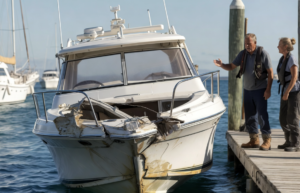
Boating is supposed to feel like freedom. The open water, the sound of the engine, the quiet pull away from land, and the feeling that life has finally slowed down for a little while all make boat ownership worth it. But every boat owner also knows the other side of the lifestyle. A small crack, a soft spot, a dock scrape, or a hidden impact can turn a relaxing weekend into an expensive problem faster than most people expect. 🚤
Fiberglass boats are popular because they are strong, durable, and built to handle years of use on lakes, rivers, bays, and coastal waters. Still, fiberglass is not indestructible. Sun exposure, water intrusion, collisions, stress cracks, poor maintenance, and simple wear can all lead to damage that should never be ignored. A boat may look fine from a distance, but underneath the shine, small problems can quietly spread.
That is why every boat owner should understand the basics of Fiberglass Boat Repair. Knowing what to watch for, when to act, and why repairs matter can help protect the boat’s value, safety, appearance, and long-term performance.
Why Fiberglass Boats Are So Common in Boating
Fiberglass changed recreational boating in a major way. Before fiberglass became widely used, many boats were built from wood, steel, or aluminum. Those materials still have their place, but fiberglass made it possible to build boats that were lighter, easier to shape, resistant to rot, and more practical for everyday owners. According to Wikipedia’s overview of boating, recreational boating includes a wide range of activities, from fishing and sailing to cruising and watersports, and fiberglass has become one of the most recognized materials in that world.
The strength of fiberglass comes from layers of reinforced material bonded with resin. This creates a hull that can be tough, flexible, and relatively lightweight. The smooth gelcoat surface adds color and protection while giving the boat its polished look. For many owners, that glossy finish is part of the pride of ownership.
However, the same structure that makes fiberglass useful also means damage can be layered. A surface scratch may only affect the gelcoat, while a deeper crack may reach the laminate beneath. A hard impact can create damage that is not fully visible from the outside. Once water gets into compromised fiberglass, repairs can become more involved.
Small Damage Can Become a Big Boating Problem
Many boating disasters do not start as dramatic events. They start as small signs that are easy to dismiss. A hairline crack near a cleat. A small chip on the bow. A scrape from a trailer guide. A soft feeling underfoot. A dull area where the gelcoat no longer shines. These may not look urgent, but they can signal stress, moisture, or weakening in the structure.
When a boat is moving through water, the hull takes constant pressure. Every wave, wake, turn, and docking moment adds stress. If there is already a damaged area, normal boating activity can make it worse. A small crack can widen. A chip can expose more material. Water can enter and spread. Over time, the cost of repair can rise simply because the original issue was left alone.
This is especially important for boaters who use their vessels often during peak season. Marine traffic, changing weather, crowded ramps, and busy marinas all increase the chance of bumps and scrapes. Staying informed through boating resources such as Boating Industry can help owners keep up with trends, maintenance topics, and issues affecting boaters and marine businesses.
Common Signs Your Boat Needs Attention
A boat owner does not need to be a marine technician to recognize warning signs. The first step is paying attention. Fiberglass damage often shows itself through visible or physical changes. Cracks in the gelcoat, spiderweb patterns, chips, gouges, discoloration, bubbling, soft decks, or areas that sound hollow when tapped can all point to possible trouble.
Stress cracks are especially common around high-load areas. These include railings, cleats, windshields, transoms, swim platforms, and areas near hardware. Some stress cracks are cosmetic, but others can indicate movement, pressure, or weakening below the surface.
Blisters are another concern. These can appear as raised bubbles under the gelcoat and may be linked to moisture intrusion. Not every blister means the boat is in immediate danger, but they should be inspected. Left untreated, moisture-related damage can spread and affect the integrity of the hull.
A change in performance can also be a clue. If the boat feels different on plane, takes on unexplained water, lists, vibrates, or handles poorly, the issue may not be only mechanical. Hull damage, hidden impact areas, or waterlogged sections can affect how the vessel behaves.
Why Water Intrusion Is a Serious Risk
Water is the constant enemy of damaged fiberglass. A boat is designed to operate in water, but the material itself must remain properly sealed. Once water finds a path through cracks, chips, old hardware holes, or damaged gelcoat, it can move into areas where it does not belong.
Moisture inside fiberglass can lead to delamination, soft spots, rot in wood-cored sections, mold, weight gain, and structural weakness. In colder climates, freeze-thaw cycles can make the problem worse. Water expands as it freezes, which can enlarge cracks and deepen existing damage.
The U.S. Coast Guard Boating Safety Division emphasizes the importance of safe boating practices, equipment, and vessel responsibility. While much of boating safety focuses on life jackets, navigation, and operation, the condition of the boat itself is also part of responsible ownership. A vessel that is not maintained properly can become a safety risk long before the owner expects it.
The Difference Between Cosmetic and Structural Damage
One of the biggest mistakes boat owners make is assuming that all fiberglass damage is cosmetic. Some damage is simply surface-level. A light scratch in the gelcoat may only affect appearance. Faded gelcoat may look bad but may not mean the hull is compromised. Minor chips can often be repaired before they spread.
Structural damage is different. This may involve deeper cracks, crushed laminate, weakened transoms, damaged stringers, separated layers, or soft decks. Structural issues can affect safety, handling, and long-term value. The challenge is that structural damage is not always obvious at first glance.
A professional inspection can help determine the true extent of damage. What looks like a simple surface crack may be connected to flexing underneath. What appears to be a small impact mark could hide a larger damaged area inside the laminate. Boat owners who are unsure should not guess, especially if the damage is near the hull bottom, transom, engine mounts, or load-bearing areas.
How Boating Conditions Affect Fiberglass Wear
Different boating environments create different risks. Freshwater boats may deal with dock rash, trailer damage, sun exposure, and seasonal storage issues. Saltwater boats face additional concerns such as corrosion around hardware, stronger UV exposure, marine growth, and harsher weather. Boats kept in the water year-round may experience different problems than boats stored on trailers.
Weather also matters. Marine forecasts from NOAA’s National Weather Service Marine Program can help boaters plan safer trips, but weather affects more than navigation. Strong sun, storms, waves, humidity, and temperature shifts all influence how a boat ages. Even when a boat is not being used, exposure can slowly break down surfaces and seals.
Trailering can also cause damage. A boat that is loaded incorrectly, strapped too tightly, bumped against guides, or supported poorly may develop stress points. The same is true for improper storage. A hull needs the right support to prevent distortion or pressure damage during long periods out of the water.
Why Fast Repairs Usually Cost Less Than Waiting
The least expensive repair is usually the one handled early. A small chip can often be sealed before moisture enters. A hairline crack can be evaluated before it spreads. A worn area can be restored before it becomes a larger surface failure. Waiting tends to make repairs more complicated.
Neglect also affects resale value. Buyers notice cracks, fading, soft spots, and poor repairs. A boat with visible damage may raise concerns even if the problem is minor. On the other hand, a well-maintained boat shows that the owner cared for it properly. Records of repairs and maintenance can help support a stronger asking price when it is time to sell.
Marine market updates from organizations like the National Marine Manufacturers Association often show how active and valuable the recreational boating industry continues to be. For individual owners, that value is personal as well as financial. A boat is often a major investment, and maintenance helps protect it.
What a Proper Repair Process Usually Involves
The repair process depends on the type and depth of damage. For minor gelcoat damage, the area may be cleaned, sanded, filled, color-matched, sealed, and polished. For deeper damage, the process may involve grinding away compromised material, rebuilding layers of fiberglass, applying resin, fairing the surface, and finishing with gelcoat or paint.
The key is preparation. Poor surface prep can cause weak bonding, uneven finishes, or repairs that fail later. Matching the original shape and finish also takes patience. A rushed repair may look acceptable at first but break down under sunlight, water, or vibration.
Structural repairs require even more care. Damaged laminate must be removed properly. New material needs to be layered correctly. The repair must restore strength, not just appearance. In some cases, hidden core material may need to be dried or replaced. This is why serious repairs should not be treated like a simple cosmetic touch-up.
DIY Repairs Versus Professional Help
Many boat owners enjoy handling basic maintenance themselves. Cleaning, waxing, small gelcoat touch-ups, hardware checks, and simple cosmetic repairs may be realistic for careful owners with the right materials. However, DIY work has limits.
If the damage is deep, spreading, near the waterline, close to structural components, or connected to soft spots, professional help is usually the smarter choice. The same applies if the boat has taken a hard impact or shows signs of water intrusion. A repair that is done incorrectly can trap moisture, fail under stress, or reduce the boat’s value.
Trusted boating resources like BoatUS regularly cover ownership, safety, insurance, and maintenance-related topics that matter to everyday boaters. Staying educated helps owners make better decisions before small problems become expensive lessons.
Preventing Fiberglass Damage Before It Happens
Prevention starts with routine inspection. Boat owners should look over the hull, deck, transom, and hardware areas regularly. After a docking mistake, trailer bump, storm, or rough-water trip, it is wise to inspect the boat again. Damage caught early is usually easier to handle.
Cleaning also matters. Dirt, salt, algae, and grime can hide small cracks or chips. A clean boat makes problems easier to spot. Waxing and surface protection can help reduce UV damage and preserve the finish. Hardware should be checked to make sure fittings are sealed and secure. Loose or poorly sealed hardware can allow water into areas that are difficult to repair later.
Storage is another major factor. Covers, proper ventilation, dry storage, and correct hull support all help extend the life of a fiberglass boat. Boats stored outdoors should be protected from standing water, heavy debris, and long-term sun exposure when possible.
Boating News Shows Why Maintenance Matters
The boating world is always changing. New technology, changing ownership trends, evolving safety recommendations, and marine weather concerns all shape how people use and care for their boats. Following sources such as Trade Only Today can help owners and marine businesses stay aware of broader industry developments.
But even with new electronics, better engines, and modern materials, the basics still matter. A boat has to float safely, run reliably, and remain structurally sound. Fiberglass maintenance may not be the most exciting part of boat ownership, but it is one of the most important. The owners who keep up with small repairs are usually the ones who avoid the biggest surprises.
Conclusion
A boating disaster does not always begin with a storm, a collision, or a dramatic breakdown. Sometimes it begins with a small crack that gets ignored. Sometimes it starts with a chip that lets water in. Sometimes it is a soft spot that nobody checks until the repair bill becomes painful.
Fiberglass boats are built to last, but they still need care. Regular inspections, quick action, proper repairs, and smart maintenance habits can protect the boat’s appearance, performance, safety, and value. Whether the damage is cosmetic or structural, the worst decision is usually to pretend it is not there.
For boat owners, the message is simple. Enjoy the water, take pride in the vessel, and never let small fiberglass damage turn into the problem that ruins the season.