Exploring Faith and Time: Top Historical Christian Fiction Authors 🌿

World News for historical fiction christian authors

Historical fiction rooted in Christian faith offers a unique reading experience: it blends richly drawn eras, compelling characters, and meaningful spiritual themes. For readers seeking stories that illuminate faith within historical contexts, the genre offers authors who weave together history and devotion with skill and heart. In this article we highlight three standout authors whose historical-Christian novels resonate deeply with believers and history lovers alike.

Francine Rivers


One of the most recognized names in Christian historical fiction, Francine Rivers began her writing career in secular romance, but following her conversion in 1986 she shifted to Christian fiction. Wikipedia+2Francine Rivers+2 Her novel Redeeming Love (1991) re-imagines the Biblical story of Hosea in California’s 1850s Gold Rush, and has sold millions of copies worldwide. Wikipedia
What makes Rivers particularly compelling is her willingness to explore difficult themes — identity, suffering, redemption — within historical settings, always pointing toward grace and transformation. srlsys.org+1
Her body of work also includes the “Mark of the Lion” series (set in ancient Rome) and the “Lineage of Grace” novellas, which trace Biblical women across history. Wikipedia
Readers love Rivers for her immersive storytelling, strong characters, historical texture, and above all her commitment to portraying faith authentically.

Elizabeth Camden


Another gifted voice in Christian historical fiction is Elizabeth Camden, a research librarian with a master’s in history and library science. Christianbook+1 Her academic background informs her work: she crafts novels set in distinct historical periods, with attention to setting, details, and genuine conflict.
Camden’s novels often take place in the late 19th and early 20th centuries in America, featuring strong heroines navigating societal change, faith, and romance. From the Women of Midtown series to the Hope & Glory and Blackstone Legacy series, she blends faith-driven narratives with historical suspense and romance. Goodreads
Her approach appeals to readers who want historical authenticity and Christian faith woven naturally into the story rather than as an overt didactic element.

Bodie & Brock Thoene


For those who like sweeping historical scope coupled with Christian perspective, the husband-and-wife writing team Bodie Thoene and Brock Thoene have carved out a prolific presence. Their novels have sold more than 35 million copies in over 20 languages. Wikipedia
Their work often spans pivotal moments in world history — World War II, colonial upheavals, the Middle East, etc — while exploring faith under fire, sacrifice, and hope. A defining characteristic of their writing is how they integrate Christian themes into large-scale historical settings.
Their novels suit readers who enjoy epic narratives, strong historical context, complex plots, and faith-based characters striving in challenging times.

What to Consider When Choosing a Christian Historical Fiction Author


When selecting a historical Christian fiction book or author to explore, there are several useful criteria to keep in mind:

  • Historical accuracy & setting: Does the work depict the period with depth and research? For example, authors like Elizabeth Camden bring academic research into their story crafting.

  • Faith integration: How seamlessly is faith incorporated? Some readers prefer faith to feel organic rather than overly didactic. Francine Rivers is often praised for doing both — bold in theme yet textured in narrative.

  • Character and story-arc: Do the characters grapple with real issues (loss, cultural change, spiritual awakening) rather than staying shallow?

  • Genre sub-style: Does the book lean more to romance, suspense, saga, or devotional tone? Depending on your preference you may lean toward Bodie & Brock Thoene (saga), Rivers (romantic/inspirational), or Camden (historical romance with depth).

  • Series vs standalone: Many authors write series (e.g., the Thoenes, Rivers’ “Mark of the Lion”) which may demand a longer commitment. Others offer standalones or shorter series.

  • Reader discussion potential: A strong historical Christian fiction novel can provide rich material for book clubs, discussion groups, or personal reflection points.

Why Historical Christian Fiction Matters


Historical Christian fiction serves multiple valuable roles:

  • It allows readers to journey into past eras and gain empathy for people navigating faith under different societal or cultural constraints.

  • It underscores the continuity of Christian themes (hope, redemption, perseverance) across time.

  • It can educate readers about lesser-known historical periods while still offering an engaging narrative rather than a textbook.

  • For believers, it offers a way to reflect on how faith has been lived out historically, offering both inspiration and challenge.
    According to resources from the genre community, Christian historical fiction continues to be a vital and growing niche within faith-based literature. Historical Novel Society+1

Conclusion


In the world of historical fiction christian authors, authors like Francine Rivers, Elizabeth Camden and Bodie & Brock Thoene stand out for their talent, faith-centred storytelling and dedication to historical detail. Whether you seek epic sagas, intimate character studies, or period romances infused with spiritual depth, there are plenty of excellent choices. These writers invite you to step into another time and yet engage with timeless truths. May your next read draw you across history’s landscape and deeper into story, faith and reflection. 📖

From Hot Combs to Blowout Queens: A (Surprisingly) Fascinating History of the Thermal Hair Brush ✨

World News for Thermal Hair Brush

The thermal hair brush feels like a modern miracle—smooth roots, bouncy ends, salon-y shine from a single tool you can hold in one hand. But this “simple” beauty staple is the product of centuries of tinkering across cultures, materials, and technologies, from carved bone combs to ceramic-ion barrels and hot-air stylers. This article traces how we got from early heat-styling experiments to the brush you spin through your hair today, plus the pivotal moments, people, and innovations that shaped the category. 💁‍♀️

If you’ve ever done a round-brush blowout, you know the choreography: tension, heat, airflow, and direction. What looks effortless is actually the culmination of design decisions—handle ergonomics, bristle spacing, heat conduction, venting, weight balance—that took decades to standardize. The “thermal hair brush” isn’t one invention so much as a family of tools that solved the same problem (transfer controlled heat through hair while brushing) in ever smarter ways.

To understand its evolution, we’ll start long before electricity, visit the first heat-assisted tools, step into the 1960s salon that turned blowouts into a cultural phenomenon, and follow the tech race that led to today’s ceramic-ion, tourmaline, and hot-air systems. Along the way, we’ll see how media and market forces turned brushes into newsworthy products, from award lists to eye-popping acquisitions.

Ancient Grooming, Early Brushes, and the First Heat Experiments

Humanity’s first hair tools were more about cleanliness and detangling than styling. Early combs (think bone, ivory, wood) were found in archaeological sites dating back millennia; bristled brushes, which distribute oils and clean the scalp, evolved later as craftsmen paired handles with animal bristles. As metalworking, then industrial manufacturing, matured, brush makers added uniform pins, mixed bristle fields, and sturdier backings, transforming grooming from ritual to routine.

Heat came next—and it changed everything. By the late 19th century, inventors were experimenting with electrically warmed grooming implements. Period advertisements claimed “electric” combs and curlers could shape whiskers and hair quickly, foreshadowing a world where heat + tension + direction = style on demand. IEEE Spectrum

From Hot Combs to Hot Barrels: The Thermal Principle Emerges

While the hot comb is its own tradition (revered for its role in straightening tightly coiled textures), the broader breakthrough for brush-based styling was the realization that heated surfaces paired with brushing motions could both smooth and set shape. Early “thermal” surfaces were heavy and unforgiving metal. Over time, lighter alloys, better temperature control, and protective coatings allowed brushes to retain and radiate heat more evenly, mimicking the effect of a salon hood dryer but with speed and precision.

The rise of salon blow-drying in the mid-20th century catalyzed the brush’s evolution. Stylists developed round-brush techniques that, with a handheld dryer, could lift roots and create movement. Popular lore credits London salons in the early 1960s with cementing the modern blowout: use a round brush to create tension and direction while chasing strands with hot air, then “set” sections by leaving brushes in as they cool. That same decade birthed the cultural iconography of the polished, voluminous finish we still chase today. Square Magazine+1

The Blowout Era: Round Brushes, Vents, and the Power of Airflow

Once blow-drying became the norm, engineers and stylists collaborated (often indirectly) through feedback loops of salon practice and product design. Several key design choices defined the thermal hair brush as we know it:

  • Round barrels introduced wrap-around tension and all-direction curling potential.

  • Vented cores allowed air to pass through the barrel, speeding dry times and setting volume.

  • Mixed bristle fields (natural + nylon) balanced grip, shine, and glide.

  • Barrel coatings evolved from bare metal to ceramic and tourmaline, improving heat retention and evenness while reducing hotspots.

By the late 1990s and early 2000s, the market saw a flood of pro-influenced thermal brushes featuring ceramic-ion technology, designed to smooth the cuticle and reduce frizz while holding a consistent working temperature. Brands marketed “faster drying,” “less damage,” and “more shine,” claims now common across the category. Olivia Garden

Materials Science Levels Up: Ceramic, Tourmaline, and Ionic Claims

Thermal performance isn’t just about “hotter.” It’s about controlled heat and effective heat transfer. Ceramic coatings helped distribute heat across the barrel to avoid scorching individual strands. Tourmaline (a semi-precious crystalline boron silicate) gained popularity for its ability to generate negative ions when heated, which brands claim helps neutralize static and close the hair cuticle for a sleeker finish. Meanwhile, “ionic” language—once confined to luxury tools—filtered down to mainstream brushes and blow-dryers, turning science-ish terminology into everyday lexicon.

In parallel, handle design, weight distribution, and anti-fatigue ergonomics became differentiators, especially as at-home users embraced pro-style blowouts. The best thermal brushes today feel light but planted, with grips that reduce wrist strain and tips that stay cool during sectioning.

Enter the Hot-Air Brush: When the Dryer Moves into the Barrel

A major turning point came when manufacturers combined brush and dryer into one tool—hot air flowing through a vented barrel with fixed bristles. This shrank the learning curve (you could style one-handed) and invited legions of new users into the blowout game. The design also encouraged innovation in barrel shapes (oval for extra root lift), rotation (auto-rotating wands), and modularity (interchangeable heads).

Media recognition turned these devices into phenomena. Annual awards lists crowned hot-air and thermal brushes the “must-have” tools of the season, validating performance and pushing more R&D across speed, temperature control, and user safety. Allure

Market Signals: When Brushes Make Headlines

Brushes aren’t just tools; they’re a business story. Consider the recent acquisition of a major detangling-brush brand by a global consumer-goods company—proof that brush IP, distribution, and brand equity are valuable enough to command nine-figure deals. This isn’t strictly “thermal,” but it underscores how brush innovation (bristle geometry, flexible paddles, ergonomic shells) can reshape entire categories and catch the eye of big acquirers. BIC+1

Industry reports also track breakout growth in hair brush segments (including powered and electric brushes), fueled by at-home styling trends and iterative improvements in materials and motors. These market dynamics pressure thermal tools to keep innovating—better heat mapping, smarter airflow, safer plugs, and clearer temperature labeling. Fortune Business Insights+1

Safety and Standards: The Quiet Evolution

As the category matured, regulators and retailers emphasized safety: compliant plugs, insulation, fuse protection, and labeling. Occasional recalls—often for non-compliant electrical components—remind consumers and manufacturers that thermal convenience must never come at the expense of electrical safety. These episodes, while rare relative to market size, help raise the bar for the industry and influence design standards in subsequent product waves. The Sun

Technique Drives Design (and Vice Versa)

One reason thermal brushes keep evolving is that technique keeps evolving. Salon pros popularized the “brush set” method—rolling and parking round brushes to cool in place—driving demand for barrels that grip without snagging and tips that stay cool to the touch. Social media tutorials minted a generation of at-home blowout enthusiasts, which in turn favored lighter tools, intuitive handle geometry, and forgiving bristle patterns. As consumers demanded “salon results at home,” brands doubled down on features that lower the skill floor—rotating barrels, temperature governors, and modular systems that let beginners experiment with shape and tension before graduating to pro tricks. YouTube

Timeline at a Glance (Highlights)

  • Pre-industrial era: Combs and early brushes emerge for cleaning and detangling; materials include bone, ivory, wood, and later metals.

  • Late 1800s: Early electric grooming tools (including heated combs and curlers) appear, previewing heat-assisted styling. IEEE Spectrum

  • Early–mid 1900s: Salon blow-drying spreads; hot combs and heated tools diversify.

  • 1960s: The modern blowout becomes a London salon signature; round-brush techniques for lift and polish go mainstream. Square Magazine

  • 1990s–2000s: Ceramic, tourmaline, and ionic language become ubiquitous; pro-influenced round brushes and vented barrels dominate. Olivia Garden

  • 2010s–2020s: Hot-air brushes and multi-head stylers explode in popularity; awards and viral tutorials normalize DIY blowouts. Allure+1

  • Today: Safety standards tighten; market consolidation and innovation cycles accelerate; thermal brushes continue blending ergonomics, materials science, and airflow engineering. The Sun+1

What Actually Makes a Great Thermal Hair Brush?

Heat retention and distribution: Ceramic (and ceramic-coated) barrels hold heat evenly; venting accelerates drying and setting.
Bristle architecture: Mixed fields (nylon for control, boar for shine) or flexible detangling tines reduce snagging while maintaining tension.
Ergonomics: Weight, balance, grip texture, and a cool-touch tip reduce fatigue and burns.
Airflow compatibility: Vented cores that align with dryer nozzles (or integrated hot-air designs) improve efficiency.
Temperature honesty: Clear labeling and realistic max temps protect hair health and build trust.

In short, the best brush is an interface between physics (heat + tension + time), anatomy (your hair type and density), and your learned habits. When those intersect, you get the glossy, buoyant result that made blowouts a global ritual.

Why This History Matters (Beyond Trivia)

Knowing the lineage of thermal brushes helps you shop smarter and style safer:

  • Materials aren’t marketing fluff. Ceramic, tourmaline, and ionic tech have practical effects on heat spread, static, and finish—especially on porous or color-treated hair.

  • Form follows technique. If you love rounded, bouncy ends, round barrels and hot-air brushes with oval heads make sense; for sleek roots, look for denser bristles and targeted airflow.

  • Safety is part of performance. Certified plugs, proper fusing, and reputable retail channels aren’t optional; they’re table stakes for tools that combine heat and electricity. The Sun

Conclusion

The thermal hair brush is a quiet triumph of user-centered engineering. From the first heat-assisted combs to pro-grade round barrels and plug-and-play hot-air stylers, each generation solved real styling problems—faster drying, smoother finishes, healthier hair, easier technique. The next frontier will likely blend smarter materials, gentler heat profiles, and even better ergonomics, continuing the same dance of technology and technique that began more than a century ago. The brush in your hand is more than a tool; it’s the latest chapter in a long, inventive story—one that turns heat, air, and bristles into confidence you can wear.


What Exactly Are Water Well Tanks — And Why Do They Matter?

World News for Well Tanks

If you’re curious about what keeps your well-water system humming smoothly, you’re in the right place! Water well tanks (sometimes called pressure tanks or well pressure vessels) are crucial components that help regulate water pressure, prevent pump short-cycling, and ensure a steady flow of water to your home or property. Whether you’re exploring options for a new installation or just want to understand how your existing system works, this article will walk you through everything you need to know about water well tanks—from what they are and how they work to selecting the right one for your needs. Let’s dive in! 💧🏠

What Are Water Well Tanks?


A water well tank is a pressure vessel that holds water delivered from a well pump. Its primary role is to maintain consistent water pressure and to reduce the workload on your pump. When the tank has stored water under pressure, the pump doesn’t have to turn on and off every single time you open a tap — it only kicks in when pressure drops below a set threshold. That simple mechanism protects your pump from wear and tear, saves energy, and gives you a steadier flow.
Expert sources like the U.S. Department of Energy explain the role of pressure tanks in conserving energy and preventing pump wear, which can extend equipment lifespan and improve efficiency. Learn more.

How Does a Water Well Tank Work?


Here’s the gist: Inside the tank, there’s typically a bladder or diaphragm that separates the water from an air chamber. When the well pump fills the tank, water compresses the air. That compressed air then acts to push the water out when you open a tap. The pump runs only until the tank reaches its upper pressure limit (often around 40–60 psi) and kicks back in once pressure dips to the lower limit (typically 20–40 psi).
The Natural Resources Defense Council (NRDC) discusses how well systems and pressure tanks help stabilize household water delivery and reduce energy waste. Check it out.

Key Benefits of Water Well Tanks

  • Pump Protection: Reducing short cycling (rapid on/off cycles) dramatically extends the well pump’s life.

  • Energy Savings: The pump runs less frequently, using less electricity overall.

  • Pressure Stability: You get smoother, more even water pressure—no more jolts or sudden drops when multiple fixtures are active.

  • Water on Demand: The stored water in the tank gives you an immediate reserve—ideal for peak use times like showers or watering the garden.
    The Environmental Protection Agency (EPA) has insights on how efficient household systems—including well setups—rely on components like pressure tanks to conserve resources and maintain performance. See details.

Types of Water Well Tanks


There are a few main types:

  1. Steel diaphragm tanks – robust, durable, traditional design with a rubber diaphragm inside.

  2. Bladder tanks – similar in function but use a replaceable, flexible bladder that’s easier to service.

  3. Composite or fiberglass tanks – newer, lighter, and corrosion-resistant options, though often pricier.

Each type has pros and cons in terms of maintenance, longevity, and price. For example, locating a small puncture in a steel diaphragm can be tricky, while replacing a bladder is often simpler and more cost-effective.

Sizing a Water Well Tank


Tank size matters! Too small, and it won’t provide enough reserve; too large, and you’ll waste space and money. Sizing typically depends on your pump’s flow rate, how often you use water, and what pressure you need.
A common rule: Storage (in gallons) ≈ (Pump GPM × 2) for typical household use. Professionals often calculate drawdown (usable water before pump restarts) and match tank size to daily usage patterns. Accurate sizing ensures efficiency and longevity.

Maintenance & Troubleshooting


Taking care of your well tank means checking pressure with a gauge annually and ensuring the air charge matches your system’s cut-in pressure (typically pump cut-in minus 2 psi). If you notice symptoms like the pump short-cycling, sputtering faucets, or sluggish water startup, the issue might be a waterlogged tank (full of water, no air cushion) or a ruptured bladder/diaphragm.
To test: shut off the pump, drain some water, and then check air pressure. If there’s water in the air-side or pressure is way off, servicing—like recharging air or replacing the bladder—is needed.

Choosing the Right Water Well Tank


When selecting a tank, consider:

  • Material (steel vs. bladder vs. composite)

  • Capacity based on your pump’s performance and household demand

  • Pressure rating that matches your system (e.g., 40/60 psi)

  • Certification (some tanks meet NSF/ANSI standards for safe drinking water contact)

  • Local climate and water quality (hard water can accelerate corrosion; fiberglass holds up better in those settings)

Pro tips:

  • Pick a tank slightly larger than your minimum requirement to allow a buffer for peak use.

  • If your household has really variable water use (e.g., big garden sprinklers + showers), a larger tank is a good investment.

  • Always buy from reputable manufacturers, and consider finding one with easy-to-access air valves for maintenance.

Real-World Example: How a Typical Home Uses a Water Well Tank


Imagine a suburban home with a pump rated at 10 gallons per minute (GPM). A well tank with a 40/60 psi range sized to offer 10–15 gallons of drawdown means the pump might only cycle three to four times per hour, even during heavy use. That’s hundreds fewer cycles daily, reducing wear and boosting reliability. Meanwhile, showers enjoy steady pressure even when the washing machine is running. Sounds simple—yet this is a smart, practical solution that saves time, energy, and repairs in the long run.

Conclusion


Water well tanks are unsung heroes of your home’s water system. They regulate pressure, protect your pump, enhance water flow stability, and save energy—all while giving you more consistent, reliable access to well water. Understanding how they work, how to pick the right type, and how to maintain them can benefit any homeowner or property manager with a well system. If you’d like help sizing a tank, diagnosing performance issues, or exploring greener options, I’d be happy to help further!

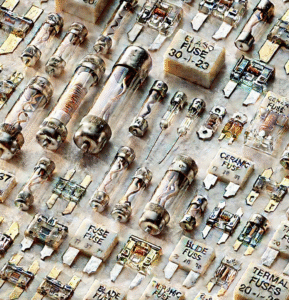
🔌 The Fascinating History of Fuses: From Sparks to Safety

World News for Fuses

Every time you flip a switch, plug in your phone, or brew a morning cup of coffee, you’re relying on one silent hero of modern life: the fuse. Fuses are tiny devices designed to protect our homes, businesses, and lives from the dangers of electrical overloads and fires. But while they may look small and unassuming, their history is anything but simple. The journey of the fuse traces back more than a century and reflects the rapid growth of electricity, the struggle for safety, and the evolution of technology that powers our daily lives. ⚡

In this article, we’ll take a detailed look at how fuses were born, how they changed over time, and why they remain a cornerstone of electrical safety today.


The Origins of Fuses

The earliest concept of a fuse dates back to the late 19th century, at the dawn of widespread electrical use. As cities began wiring homes and businesses for electricity, fires and accidents became common. Engineers needed a way to automatically cut power when electrical circuits were overloaded.

The first practical fuse is credited to Thomas Edison in 1890. Edison designed it as a simple wire that would melt when too much current flowed through it, stopping the electrical supply before it could cause serious damage. His design was patented as part of his broader innovations in electrical distribution. At the time, these fuses were housed in screw-in cartridges that could be replaced once burned out.

The U.S. Patent and Trademark Office still recognizes Edison’s fuse patent as a foundational element in electrical safety.


Early Adoption in Homes and Industry

By the early 20th century, fuses were becoming a standard fixture in electrical systems. They were inexpensive, simple to use, and highly effective. For homeowners, this was revolutionary—fuses prevented house fires caused by overloaded wiring, a common issue as people added more appliances to their homes.

In industry, fuses were crucial for protecting expensive machinery and preventing power outages. Their introduction marked the beginning of safer electrical grids, allowing electricity to expand rapidly into every corner of society.


Evolution of Fuse Technology

Though Edison’s original idea was ingenious, early fuses had limitations. They often needed to be manually replaced, which was inconvenient and sometimes dangerous. Over time, manufacturers developed more advanced designs to improve safety and usability.

Cartridge Fuses

By the mid-1900s, cartridge-style fuses became common. These were enclosed in protective casings that reduced the risk of fire and made replacement safer. They came in various sizes and ratings, ensuring compatibility with different electrical systems.

Automotive Fuses

As cars became mainstream, engineers realized vehicles needed reliable electrical protection, too. The first automotive fuses appeared in the 1920s and evolved into the blade-type fuses widely used in cars today.

High-Voltage Fuses

For industrial and utility applications, high-voltage fuses were introduced to safeguard massive electrical equipment like transformers and substations. These heavy-duty fuses are designed to handle thousands of volts and protect critical infrastructure.

IEEE provides extensive research and historical records on the engineering breakthroughs that enabled these innovations.


Fuses vs. Circuit Breakers

As electrical systems advanced, another device entered the picture: the circuit breaker. While fuses melt to stop the flow of electricity, circuit breakers mechanically “trip” and can be reset instead of replaced. By the mid-20th century, circuit breakers started gaining popularity in homes and businesses.

Still, fuses remain widely used today. They are cheaper, faster at interrupting dangerous surges, and often more reliable in specific applications, such as automotive and high-voltage systems. The relationship between fuses and circuit breakers reflects the diversity of electrical safety solutions—each has unique advantages depending on the setting.

For a deeper look at how circuit protection works, check resources from the National Fire Protection Association (NFPA), which sets standards for electrical safety worldwide.


The Role of Fuses in Modern Life

Despite the rise of circuit breakers, fuses are far from obsolete. They continue to play a vital role in everyday life:

  • Consumer Electronics: Tiny fuses are embedded in gadgets, chargers, and appliances.

  • Automobiles: Blade fuses protect wiring and ensure vehicles operate safely.

  • Industrial Systems: High-voltage fuses secure electrical grids and heavy machinery.

  • Renewable Energy: Solar panels and wind turbines rely on fuses for surge protection.

In fact, as technology becomes more advanced, the demand for specialized fuses grows. Modern fuses are designed with precision, tailored for everything from spacecraft to smartphones. 🌍🚗📱


The Cultural Impact of Fuses

Beyond technology, fuses have left their mark on culture and language. The phrase “blowing a fuse” has become synonymous with losing one’s temper, a nod to the sudden and dramatic way a fuse operates. Similarly, fuses appear in countless movies, books, and metaphors, symbolizing both fragility and explosive release.

This cultural footprint highlights how deeply fuses are woven into human experience—both practically and symbolically.


The Future of Fuses

Looking ahead, the fuse continues to evolve. Innovations in smart fuses are emerging, allowing real-time monitoring of circuits and predictive failure alerts. These developments could reduce downtime in industries and improve safety in homes.

As renewable energy systems expand, fuses will play an even bigger role in protecting clean energy grids. The demand for lightweight, efficient, and eco-friendly fuses is shaping the next generation of safety devices.

ScienceDirect publishes ongoing research on fuse technology and its applications in modern electrical engineering.


Conclusion

From Edison’s first patent to the modern smart grid, the fuse has stood the test of time as one of the most important safety devices in human history. Simple, effective, and reliable, fuses have protected countless homes, businesses, and lives for over a century.

While circuit breakers and digital technology have joined the safety landscape, the fuse remains indispensable. Next time you flip a switch or start your car, remember the humble fuse quietly standing guard, ensuring electricity remains a servant—not a danger. ⚡

The history of fuses isn’t just about wires and circuits—it’s about progress, innovation, and the human drive to make our world safer.


✅ Authority Sources Used:

The Fascinating History of Stamped Concrete: From Innovation to Iconic Style

world news for stamped concrete

Stamped concrete has become a design staple for patios, driveways, walkways, and even grand commercial spaces. 🌟 Its ability to mimic high-end materials like stone, slate, brick, and even wood—at a more accessible cost—makes it a favorite for architects, builders, and homeowners alike. But have you ever wondered how this beloved construction technique came to be?

In this article, we’ll take you on a journey through the rich history of stamped concrete: where it started, how it evolved, and why it remains such a powerhouse in modern construction.


Early Beginnings: The Birth of Decorative Concrete

Concrete itself has ancient roots. Historical evidence shows that forms of concrete were used as far back as 6500 B.C. in Syria and Jordan. The ancient Romans elevated its use with opus caementicium, building structures like the Pantheon and aqueducts that still stand today (National Geographic).

However, decorative concrete—the ancestor of stamped concrete—didn’t appear until much later. The earliest decorative concrete techniques started to emerge in the early 1900s when contractors began experimenting with color to add aesthetic value to sidewalks and other structures.

By the 1950s, visionaries in the concrete industry were trying to create patterns that could simulate more expensive materials without the associated costs. This desire for beauty and affordability laid the groundwork for the first true stamped concrete surfaces. 🚀


1950s: The True Start of Stamped Concrete

The 1950s were a time of rapid innovation in the American construction world. Post-World War II, there was a housing boom, and demand for new, attractive, and cost-effective building materials was soaring.

It was during this era that Brad Bowman, often called the “Father of Stamped Concrete,” started experimenting with imprinting concrete surfaces. Bowman invented and developed the first tools used to stamp patterns into freshly poured concrete. These tools were made of sheet metal and were pressed into the wet concrete to create repetitive patterns.

This was a revolutionary idea. Instead of settling for plain gray slabs, builders could now offer homeowners a beautiful, patterned alternative that looked like brick or stone—but at a fraction of the cost. Bowman’s innovations led to a surge of interest in stamped concrete across residential and commercial projects.

👉 Learn more about Brad Bowman’s contributions here.


1970s: Advancements in Tools and Techniques

Although Bowman laid the foundation, the 1970s brought significant refinements to the stamped concrete process. New technology made tools more sophisticated, and techniques for coloring concrete advanced dramatically.

Key developments during this period included:

  • Textured Mats: Companies developed flexible polyurethane mats that could imprint highly realistic textures, including the subtle cracks and imperfections found in natural stone.

  • Integral Coloring: Rather than simply applying color to the surface, new methods involved mixing pigments directly into the concrete, leading to richer, longer-lasting color.

  • Release Agents: To prevent mats from sticking to wet concrete, contractors began using powdered or liquid release agents. These agents not only made stamping easier but also added secondary tones, enhancing the realistic appearance of the final product.

These advancements allowed stamped concrete to better replicate high-end materials like slate, cobblestone, and even wood planks, making it even more attractive to builders and homeowners alike. 🎨


1980s and 1990s: Stamped Concrete Goes Mainstream

By the 1980s, stamped concrete was no longer a novelty—it was a legitimate option for driveways, patios, pool decks, and commercial flooring. Its popularity exploded due to:

  • Affordability: Compared to natural stone or brick, stamped concrete was significantly less expensive.

  • Durability: Properly installed stamped concrete could last decades with minimal maintenance.

  • Versatility: With a wide array of patterns and colors, it could be customized to match nearly any architectural style.

At this time, themed commercial projects—like shopping centers, amusement parks, and hotels—started using stamped concrete extensively. Designs became more elaborate, including large-scale murals, themed walkways, and custom logos stamped directly into concrete surfaces.

In fact, many areas of Disneyland and other theme parks used stamped concrete extensively to create immersive environments that were both durable and beautiful. 🏰

Stamped concrete was also bolstered by the development of acid staining and other coloring techniques, allowing for stunning, variegated finishes that closely mimicked natural stone surfaces.

👉 Read about the rise of decorative concrete in public spaces here.


2000s: Technological Revolution and Customization

As the 21st century dawned, technology continued to enhance the possibilities for stamped concrete:

  • Computer-Aided Design (CAD): CAD software allowed contractors to create custom stamps, giving clients the option for unique patterns, logos, and artistic designs.

  • Eco-Friendly Options: With growing environmental consciousness, new formulations of concrete were developed using recycled materials and sustainable processes.

  • Overlay Systems: Contractors could now apply stamped overlays to existing concrete surfaces, making it easier to renovate and rejuvenate old slabs without demolition.

One of the major trends during this time was customization. Clients could specify not only colors and patterns but also textures, finishes, and even the level of gloss or matte on the surface.

This era firmly established stamped concrete as not just an economical choice, but a premium design option that could rival the appearance of luxury materials at a much lower price point.


Modern Day: The Gold Standard in Decorative Surfaces

Today, stamped concrete is considered a gold standard in both residential and commercial decorative surfacing. 🌟 Thanks to decades of innovation, stamped concrete can:

  • Replicate high-end materials like limestone, flagstone, slate, travertine, and hardwood.

  • Offer almost endless design options with thousands of patterns and color combinations available.

  • Provide superior durability against weather, wear, and tear compared to many natural materials.

  • Serve as an eco-friendly option when using recycled materials and low-VOC sealants.

Modern stamped concrete projects include everything from luxurious backyard patios to high-traffic urban plazas, and even artistic installations such as public sculptures and large-scale murals embedded into cityscapes.

👉 Learn about the latest innovations in decorative concrete here.

Moreover, the versatility of stamped concrete allows for integration with other hardscape elements like fire pits, outdoor kitchens, and retaining walls, creating cohesive and functional outdoor living spaces. 🌿


Why the Popularity of Stamped Concrete Endures

The enduring popularity of stamped concrete is no accident. It taps into the three major demands of modern construction:

  • Beauty: Endless options for custom design and realism.

  • Affordability: Lower installation and maintenance costs compared to natural stone or brick.

  • Durability: Resistance to harsh weather, heavy traffic, and UV exposure.

Additionally, as sustainability becomes a more pressing concern, stamped concrete offers an eco-conscious alternative to resource-heavy materials like quarried stone. When properly installed and maintained, stamped concrete surfaces can last 25 years or more, reducing the need for frequent replacements and minimizing environmental impact.


Conclusion: A Lasting Legacy Built on Innovation and Artistry

From Brad Bowman’s early experiments in the 1950s to today’s sophisticated, customizable systems, stamped concrete has evolved into one of the most versatile and celebrated innovations in construction history. 🏡✨

It continues to serve as a bridge between art and engineering, allowing builders and homeowners to create beautiful, durable surfaces that stand the test of time. With ongoing technological advancements, the future of stamped concrete looks even brighter—full of endless patterns, sustainable options, and exciting design possibilities.

Whether you’re walking down a charming stamped concrete pathway in a historic downtown or enjoying your morning coffee on a stunning patio, it’s worth taking a moment to appreciate the ingenuity and creativity that brought these surfaces to life.

So next time you admire a beautifully textured walkway or patio, remember—you’re walking on decades of innovation, craftsmanship, and history. 👣

The Importance of Industrial Coatings: A Comprehensive Guide

world news for Industrial Coatings

In the world of industrial operations, the durability and longevity of materials and equipment are paramount. From heavy machinery to infrastructure components, maintaining the integrity of these assets is vital for ensuring operational efficiency, reducing downtime, and minimizing repair costs. One of the most effective ways to achieve this is through the use of industrial coatings. These specialized coatings are designed to protect surfaces from harsh environmental conditions, wear and tear, and chemical damage.

Industrial coatings are crucial in a wide range of industries, including manufacturing, construction, automotive, aerospace, and more. They play a significant role in ensuring that products and structures remain functional, efficient, and visually appealing. In this article, we will explore the importance of industrial coatings, their various types, and their applications in different industries. We will also delve into how these coatings contribute to sustainability and cost-efficiency.

What Are Industrial Coatings?

Industrial coatings are protective layers applied to surfaces, typically made of metal, concrete, wood, or plastic, to prevent damage from corrosion, abrasion, chemical exposure, and extreme environmental conditions. These coatings can be applied to a wide range of substrates, including steel, aluminum, concrete, and even composite materials, to enhance their durability and performance. They are composed of a combination of resins, solvents, pigments, and other chemicals that form a protective barrier over the surface.

Industrial coatings are not just about aesthetics; they are engineered for performance, providing both functional and protective benefits. They are used to extend the lifespan of equipment, reduce maintenance costs, and improve safety in industrial settings. Coatings can also contribute to energy efficiency, making them an essential part of modern manufacturing and construction processes.

Types of Industrial Coatings

There are several different types of industrial coatings, each designed for specific applications and environments. Some of the most common types include:

Epoxy Coatings

Epoxy coatings are one of the most widely used industrial coatings due to their exceptional adhesion, durability, and resistance to corrosion. These coatings are commonly applied to metal surfaces to prevent rust and deterioration caused by moisture, chemicals, and extreme temperatures. Epoxy coatings are often used in environments such as manufacturing facilities, warehouses, and industrial equipment where durability is essential.

Epoxy coatings are available in various formulations, including water-based and solvent-based options, depending on the specific needs of the application. They are particularly effective in environments where exposure to harsh chemicals, oils, and solvents is common.

Polyurethane Coatings

Polyurethane coatings are known for their versatility, providing excellent protection against abrasion, chemical exposure, and UV degradation. These coatings are often used in applications where high-performance durability is required, such as automotive parts, machinery, and equipment exposed to harsh outdoor conditions.

Polyurethane coatings are available in both one-component and two-component systems, with the latter offering superior performance and chemical resistance. These coatings are used in a variety of industries, including automotive, aerospace, and industrial manufacturing.

Acrylic Coatings

Acrylic coatings are often used for applications that require a protective layer with high aesthetic value. These coatings are transparent, allowing the underlying surface to remain visible, making them ideal for decorative purposes. Acrylic coatings are commonly used on signage, furniture, and architectural components.

While acrylic coatings may not offer the same level of abrasion resistance as epoxy or polyurethane coatings, they provide excellent resistance to UV radiation, making them suitable for outdoor applications. They are also easy to apply and provide a smooth, glossy finish.

Zinc-Rich Coatings

Zinc-rich coatings are commonly used to protect steel surfaces from corrosion. These coatings contain a high percentage of zinc, which acts as a sacrificial anode, protecting the underlying metal from rust and corrosion. Zinc-rich coatings are often applied to steel structures such as bridges, pipelines, and industrial equipment that are exposed to harsh environmental conditions.

The primary benefit of zinc-rich coatings is their ability to provide long-lasting corrosion protection, even in areas where regular maintenance may not be feasible. This makes them a popular choice in industries such as construction, transportation, and infrastructure.

Fluoropolymer Coatings

Fluoropolymer coatings, such as PTFE (polytetrafluoroethylene), are known for their exceptional chemical resistance and low friction properties. These coatings are often used in applications where chemical exposure and high temperatures are a concern. Fluoropolymer coatings are commonly applied to industrial machinery, heat exchangers, and pipes.

The unique properties of fluoropolymer coatings make them ideal for use in industries such as chemical processing, food processing, and pharmaceuticals, where exposure to aggressive chemicals and high temperatures is common.

Ceramic Coatings

Ceramic coatings are often used in high-temperature applications due to their exceptional heat resistance. These coatings are typically applied to metal surfaces that are exposed to extreme heat, such as engine components, exhaust systems, and turbines. Ceramic coatings help reduce heat buildup and improve the efficiency of machinery by preventing heat loss.

In addition to heat resistance, ceramic coatings also provide excellent corrosion protection and improve the overall lifespan of components exposed to harsh conditions.

Applications of Industrial Coatings

Industrial coatings find applications across a wide range of industries, providing essential protection and performance enhancements. Some of the most common applications include:

Manufacturing and Heavy Equipment

In the manufacturing and heavy equipment industries, industrial coatings are used to protect machinery, tools, and structural components from wear and tear, corrosion, and chemical exposure. Coatings such as epoxy, polyurethane, and zinc-rich coatings are often applied to metal components to extend their lifespan and reduce maintenance costs.

In addition to protecting machinery, coatings can also improve the safety and functionality of industrial equipment by reducing friction, preventing the buildup of harmful substances, and ensuring smooth operation.

Automotive Industry

The automotive industry relies heavily on industrial coatings to protect vehicles from the elements, such as rain, UV radiation, and salt. Polyurethane and acrylic coatings are often applied to automotive parts to enhance their durability and aesthetic appeal. These coatings are used on both the exterior and interior components of vehicles, including body panels, wheels, and trim.

In addition to protection, coatings can also provide anti-graffiti properties, making it easier to clean vehicles and maintain their appearance over time.

Infrastructure and Construction

In the construction and infrastructure sectors, industrial coatings are essential for protecting steel structures, concrete, and other materials from corrosion, wear, and chemical damage. Coatings such as epoxy and zinc-rich formulations are used to protect bridges, pipelines, and buildings from the elements and extend their operational life.

Industrial coatings also play a crucial role in improving the safety and aesthetics of construction projects. For example, fire-resistant coatings can be applied to steel structures to prevent the spread of fire, while anti-slip coatings can be applied to floors and walkways to reduce the risk of accidents.

Oil and Gas Industry

The oil and gas industry operates in some of the harshest environments, making the need for durable, high-performance coatings even more critical. Industrial coatings are used extensively in this industry to protect pipelines, offshore rigs, and other equipment from corrosion, chemical exposure, and extreme temperatures.

Coatings such as epoxy and polyurethane are commonly used to protect equipment from the corrosive effects of saltwater, chemicals, and high temperatures. In addition, coatings can help improve the efficiency of equipment by reducing friction and wear.

Food and Beverage Industry

In the food and beverage industry, coatings are used to protect equipment and surfaces from contamination and damage. Coatings such as fluoropolymer and ceramic are often used in machinery that comes into direct contact with food products. These coatings prevent the buildup of harmful bacteria and improve the overall cleanliness and safety of production facilities.

Coatings can also improve the performance of equipment by reducing friction and enhancing heat resistance, leading to improved efficiency and productivity.

Benefits of Industrial Coatings

The use of industrial coatings offers numerous benefits, making them an essential part of many industries. Some of the key advantages include:

Corrosion Protection

One of the primary benefits of industrial coatings is their ability to protect surfaces from corrosion. Corrosion can cause significant damage to equipment and infrastructure, leading to costly repairs and downtime. Coatings such as epoxy, polyurethane, and zinc-rich formulations create a protective barrier that prevents moisture, chemicals, and other corrosive elements from coming into contact with the surface.

By preventing corrosion, industrial coatings can extend the lifespan of equipment and structures, reducing maintenance costs and improving overall efficiency.

Improved Durability

Industrial coatings significantly enhance the durability of materials and equipment by protecting them from wear, tear, and harsh environmental conditions. Coatings provide resistance to abrasion, chemical exposure, UV degradation, and extreme temperatures, making them ideal for use in challenging industrial settings.

By improving the durability of equipment and infrastructure, industrial coatings help reduce the need for frequent repairs and replacements, leading to cost savings and increased productivity.

Enhanced Safety

Industrial coatings can improve the safety of work environments by providing non-slip surfaces, reducing the risk of accidents. Anti-slip coatings are often applied to floors, stairs, and walkways in industrial settings to prevent slips and falls.

In addition, coatings can improve fire resistance, making it easier to meet safety standards and protect workers from fire hazards. Fire-resistant coatings are commonly applied to steel structures and equipment to prevent the spread of flames in the event of a fire.

Aesthetic Appeal

In addition to their functional benefits, industrial coatings can enhance the aesthetic appeal of equipment, machinery, and structures. Coatings such as acrylic and polyurethane can be applied in a variety of colors and finishes to create visually appealing products.

For example, automotive manufacturers use coatings to provide a glossy finish on vehicles, while architectural coatings are used to improve the appearance of buildings and infrastructure.

Conclusion

Industrial coatings play a vital role in protecting equipment, machinery, and infrastructure from the harsh conditions they are often exposed to. Whether it is preventing corrosion, enhancing durability, improving safety, or providing aesthetic value, industrial coatings are essential for maintaining the functionality and longevity of materials across various industries.

From the automotive industry to the construction sector, industrial coatings offer numerous benefits that contribute to operational efficiency, cost savings, and improved safety. As industries continue to evolve, the demand for advanced coatings that offer enhanced performance, sustainability, and protection will only increase. By investing in the right industrial coatings, businesses can ensure the longevity of their assets, reduce maintenance costs, and improve overall productivity.

The Process of Making Flame Retardant Fabric: From Raw Materials to Final Product

world news for Flame Retardant Fabric

Flame retardant fabrics play a crucial role in ensuring safety across various industries, including firefighting, military, construction, automotive, and home furnishings. These fabrics are designed to resist ignition and slow down the spread of fire, providing valuable time for people to react in emergency situations. The process of making flame retardant fabric is both intricate and highly specialized, involving careful selection of materials, chemical treatments, and rigorous testing to meet stringent safety standards.

Understanding how flame retardant fabrics are made can help businesses and consumers make informed decisions when selecting textiles for safety applications. In this article, we will explore the step-by-step process of producing flame retardant fabric, from raw material selection to the final quality control checks.

Raw Material Selection

The first step in producing flame retardant fabric is choosing the right raw materials. The type of fiber used significantly affects the fabric’s flame-resistant properties. There are two main categories of flame retardant fabrics:

Inherently Flame Retardant Fabrics: These fabrics are made from fibers that have inherent flame-resistant properties. Examples include aramid fibers (e.g., Kevlar and Nomex), modacrylic, and certain treated wool varieties. These fibers do not require additional chemical treatments because their molecular structure naturally resists combustion.

Treated Flame Retardant Fabrics: These are made from naturally flammable fibers, such as cotton, polyester, and rayon, which are chemically treated to enhance their fire resistance. The treatment process alters the properties of the fabric, making it less susceptible to ignition and reducing flame spread.

The choice of raw materials depends on the intended application of the fabric. Inherently flame retardant fabrics are typically used in high-risk environments like firefighting gear, while treated fabrics are commonly found in upholstery, bedding, and industrial workwear.

Chemical Treatment Process

For fabrics that require flame retardant properties, chemical treatment is a critical step. The process involves applying specific flame-retardant chemicals to the fabric to improve its fire resistance. There are several methods used to achieve this:

Pad-Dry-Cure Process:

The fabric is immersed in a flame-retardant chemical solution.

Excess liquid is removed using rollers, ensuring even application.

The treated fabric is dried to remove residual moisture.

The fabric is then cured at high temperatures to chemically bond the flame retardant to the fibers.

Backcoating Process:

This method involves applying a flame-retardant coating to the back of the fabric rather than treating the fibers themselves.

It is commonly used for upholstery and drapery fabrics where flame resistance is required.

The fabric is passed through rollers, dried, and cured to ensure durability.

Incorporation During Fiber Production:

In some cases, flame retardant chemicals are added directly into the polymer during fiber extrusion.

This is common for synthetic fibers like polyester, where the flame-resistant properties become part of the fiber itself.

The effectiveness of these treatments depends on factors such as fabric composition, intended use, and required compliance with fire safety regulations.

Testing and Certification

Once the fabric has undergone flame retardant treatment, it must be tested to ensure it meets industry safety standards. Various tests evaluate the fabric’s performance under fire exposure, including:

Vertical Flame Test (ASTM D6413): Measures the after-flame, after-glow, and char length when a fabric sample is exposed to direct flame.

LOI (Limiting Oxygen Index) Test: Determines the minimum oxygen concentration needed to sustain combustion.

NFPA 701 (for Drapery and Upholstery): Evaluates flame propagation in textiles used in public spaces.

NFPA 2112 (for Industrial Workwear): Ensures flame-resistant clothing meets safety standards for workers exposed to flash fires.

EN 469 (for Firefighter Gear): Assesses the thermal performance of protective clothing for emergency responders.

If the fabric passes these tests, it receives certification, allowing manufacturers to market it as flame retardant. Continuous quality control ensures that every batch of fabric meets required standards before being used in production.

Durability and Maintenance

A key consideration for flame retardant fabrics is how well the flame-resistant properties hold up over time. Inherently flame retardant fabrics maintain their protective properties throughout their lifespan because their structure does not degrade with washing or wear. In contrast, treated fabrics may lose effectiveness over repeated washing cycles, especially if harsh detergents or improper cleaning methods are used.

To prolong the effectiveness of flame retardant fabrics, manufacturers recommend:

  • Washing with mild detergents that do not strip the chemical treatment.
  • Avoiding bleach and fabric softeners, which can degrade flame retardant properties.
  • Following specific care instructions provided by the manufacturer.

Applications of Flame Retardant Fabrics

Flame retardant fabrics are used in a wide range of industries and applications, including:

Protective Clothing: Firefighter suits, industrial workwear, and military uniforms.

Home Furnishings: Flame-resistant curtains, upholstery, and mattress covers.

Automotive and Aviation: Seat covers, carpets, and interior panels that meet fire safety standards.

Public Spaces: Hotels, theaters, and office buildings require flame retardant fabrics for curtains and furniture.

Conclusion

The process of making flame retardant fabric is a highly specialized procedure that involves careful material selection, chemical treatment, and rigorous testing. Whether made from inherently flame-resistant fibers or treated with flame retardant chemicals, these fabrics serve a crucial role in fire safety. By understanding the manufacturing process, businesses and consumers can make informed choices about the flame-resistant textiles they purchase.

As fire safety regulations continue to evolve, advancements in flame retardant technology will play an even greater role in enhancing protection across industries. Investing in high-quality flame retardant fabric is not only a regulatory necessity but also a vital step in ensuring safety for individuals and property alike.

The Importance of a Structural Engineer in New Jersey

world news for Structural Engineer

Structural engineering plays a crucial role in the construction and maintenance of buildings, bridges, and infrastructure. In a state like New Jersey, with its dense urban centers, coastal exposure, and variable climate, the expertise of a structural engineer is indispensable. From ensuring the safety of skyscrapers in Jersey City to reinforcing shorefront properties against hurricanes, structural engineers provide the backbone for the built environment.

This article will explore the importance of structural engineers in New Jersey, highlighting their responsibilities, contributions to public safety, role in sustainability, and the necessity of their expertise in both residential and commercial projects. Understanding the work of a structural engineer can help individuals, businesses, and government entities make informed decisions about construction and renovation projects, ensuring safety and compliance with regulatory standards.

The Role of a Structural Engineer

Structural engineers are responsible for designing, analyzing, and inspecting structures to ensure they can withstand various forces and loads. Their work extends beyond the basic architectural design, focusing on the integrity and stability of buildings, bridges, tunnels, and other infrastructure projects. In New Jersey, structural engineers address specific challenges such as coastal weather patterns, seismic considerations, and aging infrastructure.

Ensuring Public Safety

One of the most critical responsibilities of a structural engineer is to ensure the safety of the public. New Jersey has a high population density, meaning that buildings and infrastructure must be designed to withstand daily use, environmental stressors, and potential natural disasters. Structural engineers conduct rigorous assessments to determine the appropriate materials, design techniques, and reinforcement strategies to prevent structural failures.

For example, New Jersey experiences significant seasonal variations, from heavy snow in the winter to hurricanes in the summer. These weather conditions exert different types of pressure on structures, requiring engineers to factor in wind resistance, snow loads, and flood risks when designing buildings. In coastal areas like Atlantic City and Cape May, structures must be resilient against storm surges and high winds, making structural engineering expertise critical for long-term durability and safety.

Infrastructure Development and Maintenance

New Jersey’s extensive network of roads, bridges, and tunnels requires continuous monitoring and maintenance to ensure safety and functionality. Many of these structures were built decades ago and now require reinforcement or complete overhauls to meet modern standards. Structural engineers play a pivotal role in assessing the integrity of aging infrastructure, identifying potential weaknesses, and proposing necessary repairs or replacements.

Take, for instance, the numerous bridges spanning the Delaware River or connecting different parts of the state. A structural engineer evaluates factors such as load capacity, material degradation, and environmental exposure to determine whether a bridge remains safe for public use. Without these assessments, infrastructure failures could lead to catastrophic consequences, including accidents and economic disruptions.

Compliance with Building Codes and Regulations

New Jersey has stringent building codes and regulations that must be adhered to for construction projects. Structural engineers ensure compliance with these codes, which are designed to safeguard the public against structural failures and hazardous conditions. Whether working on new developments or renovations, engineers must be well-versed in local building laws, zoning restrictions, and environmental impact assessments.

For example, buildings in flood-prone areas must meet specific elevation requirements to reduce the risk of water damage. Similarly, commercial structures must adhere to fire safety regulations, ensuring proper load distribution and material selection to prevent collapse in emergencies. Structural engineers work closely with architects, contractors, and regulatory bodies to guarantee that projects meet all necessary legal and safety standards.

The Role of Structural Engineers in Residential Projects

While structural engineers are often associated with large-scale commercial and infrastructure projects, they are equally important for residential construction and renovation. Homeowners in New Jersey benefit from their expertise when building new homes, making structural modifications, or addressing foundation issues.

New Home Construction

When constructing a new home, a structural engineer ensures that the foundation, walls, and roof can support anticipated loads. They take into account soil conditions, wind loads, and other environmental factors to design a structurally sound residence. In areas prone to flooding, such as Hoboken or parts of the Jersey Shore, engineers incorporate techniques such as elevated foundations and reinforced materials to enhance resilience.

Home Renovations and Additions

Many homeowners undertake renovations or additions to improve their living spaces. However, altering a home’s structure without proper engineering can lead to safety hazards. Structural engineers evaluate existing structures to determine whether walls can be removed or additional floors can be added without compromising stability. They also design support systems to distribute loads appropriately, preventing future structural issues.

For example, if a homeowner in Montclair wants to remove a load-bearing wall to create an open-concept living area, a structural engineer will calculate the necessary reinforcements, such as beams or columns, to maintain the home’s integrity. Similarly, for homeowners looking to add a second story, engineers assess whether the existing foundation and framework can support the additional weight.

Addressing Foundation Issues

New Jersey’s varied soil composition and fluctuating weather conditions can contribute to foundation problems such as settling, cracking, or water infiltration. Structural engineers diagnose these issues and recommend solutions to prevent further damage. Whether through underpinning, drainage improvements, or reinforcement techniques, their expertise ensures that homes remain safe and stable.

The Contribution of Structural Engineers to Sustainable Design

Sustainability is a growing concern in the construction industry, and structural engineers play a significant role in promoting environmentally friendly practices. In New Jersey, where urban development continues to expand, sustainable building techniques help reduce environmental impact and improve energy efficiency.

Green Building Materials and Techniques

Structural engineers help integrate sustainable materials such as recycled steel, engineered wood, and high-performance concrete into construction projects. These materials reduce carbon footprints while maintaining strength and durability. Additionally, engineers incorporate energy-efficient design principles, such as passive solar heating and natural ventilation, to enhance building performance.

Disaster Resilience and Climate Adaptation

New Jersey faces ongoing climate-related challenges, including rising sea levels and increasing storm frequency. Structural engineers develop innovative solutions to enhance resilience, such as designing flood-resistant buildings, improving stormwater management systems, and reinforcing coastal infrastructure. By anticipating future environmental conditions, they ensure that structures can withstand the evolving climate landscape.

Conclusion

The role of a Structural Engineer Near Me New Jersey is indispensable. Their expertise ensures the safety, durability, and compliance of residential, commercial, and infrastructure projects. From addressing climate challenges and maintaining aging structures to guiding homeowners through renovations, structural engineers provide the technical knowledge necessary to support a thriving built environment.

As the state continues to grow and modernize, the demand for skilled structural engineers will remain high. Their contributions not only safeguard lives but also foster sustainable and resilient communities. Whether planning a new construction project, assessing an existing structure, or seeking guidance on compliance with building codes, consulting a structural engineer is a crucial step in ensuring long-term success and safety in any endeavor.

What Does an Expert Witness Geologist Do?

world news for expert witness geologist

The role of an expert witness geologist is a unique and fascinating niche within the fields of geology and law. This position requires not only a deep understanding of geological principles but also the ability to communicate complex scientific concepts to non-experts, including lawyers, judges, and juries. In this article, we will explore what it means to be an expert witness geologist, the situations in which they are called upon, their responsibilities, and the impact of their work on legal proceedings.


Expert Witness Geologists

Geology is the study of the Earth’s structure, materials, processes, and history. From understanding natural disasters to evaluating resources, geology plays a critical role in our daily lives. However, its application extends beyond academia, engineering, and environmental science. In legal contexts, geologists often serve as expert witnesses to provide specialized knowledge that can influence the outcome of disputes and litigation.

An expert witness geologist is typically called upon when a legal case involves geological elements. These cases may range from disputes over mineral rights and land use to environmental contamination, construction failures, and natural disaster liability. Their role is to analyze data, form conclusions based on their expertise, and present these findings in a clear, impartial, and credible manner.


Qualifications and Skills of an Expert Witness Geologist

Being an expert witness geologist requires more than just a degree in geology. While a solid educational foundation is essential, most expert witnesses possess advanced degrees such as a master’s or Ph.D. in geology or related fields. Many also have extensive professional experience in areas such as environmental consulting, mining, engineering geology, or hydrology.

Key skills required for this role include:

Analytical Skills: The ability to interpret geological data accurately and draw sound conclusions.

Communication Skills: The capacity to translate technical jargon into understandable language for non-specialists.

Public Speaking: Comfort with testifying in court and presenting findings under pressure.

Integrity and Objectivity: The ability to provide unbiased opinions based solely on scientific evidence.

Attention to Detail: Precision in data analysis and documentation, as legal cases often hinge on minute details.

Certifications or memberships in professional organizations, such as the American Institute of Professional Geologists (AIPG) or the Geological Society of America (GSA), can further establish credibility.


Situations Requiring an Expert Witness Geologist

Expert witness geologists are involved in a variety of legal contexts, including:

Environmental Disputes: Cases involving soil and groundwater contamination, hazardous waste disposal, and pollution often require the expertise of a geologist to determine the source and extent of environmental damage.

Land Use and Property Disputes: Geologists help resolve disagreements over boundaries, mineral rights, or land subsidence caused by natural or man-made activities.

Construction and Engineering Failures: When construction projects fail due to unstable soil, landslides, or other geological factors, an expert witness geologist evaluates the causes and assesses liability.

Natural Disaster Litigation: Events like earthquakes, floods, and landslides often lead to lawsuits. Geologists provide insights into whether these events could have been predicted or mitigated.

Mining and Resource Extraction: Disputes over mining operations, resource ownership, or environmental impacts often require geological expertise.


Responsibilities of an Expert Witness Geologist

The responsibilities of an expert witness geologist can be grouped into several key areas:

Investigation and Analysis

Expert witnesses begin by conducting a thorough investigation. This may involve collecting soil and rock samples, analyzing geophysical data, or reviewing existing geological surveys. They use state-of-the-art tools and techniques to ensure their findings are accurate and reliable. For example, in a case involving groundwater contamination, the geologist might analyze the flow patterns of aquifers to determine the source of pollutants.

Preparation of Reports

After analyzing the data, the geologist prepares a detailed report outlining their findings and conclusions. This report must be clear, concise, and scientifically rigorous, as it often serves as a key piece of evidence in court.

Expert Testimony

One of the most critical aspects of the role is providing testimony in court. This involves explaining complex geological concepts in a way that is understandable to a lay audience. The expert witness must remain calm under cross-examination, as opposing counsel may attempt to discredit their findings.

Consultation with Legal Teams

Expert witness geologists often work closely with lawyers to help them understand the technical aspects of the case. This collaboration ensures that the legal team can build a compelling argument based on the geological evidence.

Maintaining Objectivity

Unlike advocates, expert witnesses are expected to remain impartial. Their role is not to support one side but to provide an honest and accurate interpretation of the evidence.


Challenges Faced by Expert Witness Geologists

While the role is rewarding, it comes with its share of challenges:

Complex Cases: Geological phenomena are often complicated, and simplifying them without losing accuracy can be difficult.

Cross-Examination: Opposing lawyers may aggressively question the expert witness’s qualifications or attempt to find inconsistencies in their testimony.

Ethical Dilemmas: Maintaining impartiality can be challenging, especially when one’s findings favor a particular party.

High Stakes: The outcomes of legal disputes can have significant financial or societal implications, adding pressure to the role.


Impact of Expert Witness Geologists

The contributions of expert witness geologists often have far-reaching implications. Their expertise can:

Clarify Complex Issues: By providing clear and accurate explanations, they help courts make informed decisions.

Prevent Future Issues: Their analyses can lead to better regulatory practices, such as improved construction standards or stricter environmental controls.

Ensure Fair Outcomes: Their impartial testimony ensures that legal decisions are based on sound scientific principles.


Conclusion

The role of an expert witness geologist is as challenging as it is essential. By bridging the gap between science and law, these professionals ensure that geological evidence is properly understood and applied in legal contexts. Their work not only influences the outcomes of individual cases but also contributes to broader societal benefits, such as improved safety standards and environmental protections.

As legal disputes become increasingly complex, the demand for expert witness geologists is likely to grow. For those with a passion for geology and a commitment to scientific integrity, this career path offers a unique opportunity to make a meaningful impact in both the scientific and legal worlds.

What Does a Certified Arborist Do?

world news for Certified Arborist

Trees are essential components of our environment, offering shade, improving air quality, and adding natural beauty to landscapes. However, caring for trees isn’t as simple as watering them occasionally or trimming a branch here and there. It requires expertise, precision, and an understanding of tree biology, health, and safety—a skill set that Certified Arborists bring to the table. But what exactly does a Certified Arborist do, and why are their services crucial for tree care and management? In this article, we will explore the multifaceted role of a Certified Arborist, their qualifications, and the value they add to residential, commercial, and municipal landscapes.

Introduction to Certified Arborists

A Certified Arborist is a professional trained in the art and science of planting, caring for, and maintaining individual trees. Certification is granted by the International Society of Arboriculture (ISA) to individuals who pass an extensive examination and meet other qualifications, such as work experience or a related degree. This credential signifies a commitment to the highest standards of tree care and adherence to a professional code of ethics.

While anyone can call themselves a tree care professional, Certified Arborists stand out due to their formal education, hands-on training, and ongoing commitment to learning. Their expertise covers a wide range of areas, including tree biology, pruning techniques, pest and disease management, soil health, and risk assessment. Whether working on a single tree in a homeowner’s yard or overseeing an entire urban forest, these professionals play a vital role in ensuring the health, safety, and sustainability of trees.

The Core Responsibilities of a Certified Arborist

Tree Health Assessment

One of the primary tasks of a Certified Arborist is evaluating the health of trees. This involves identifying signs of stress, disease, pest infestations, or structural weaknesses. Arborists use their expertise to diagnose issues such as root rot, fungal infections, or damage from environmental stressors like drought or storms.

By conducting regular tree inspections, they can detect problems early and recommend appropriate interventions, such as applying treatments, improving soil conditions, or removing diseased branches. Their goal is to preserve the tree whenever possible while ensuring it remains safe and stable.

Pruning and Trimming

Proper pruning is both an art and a science, and it’s a critical aspect of an arborist’s job. Certified Arborists prune trees to remove dead or diseased branches, improve structural integrity, and enhance aesthetics. They also understand how to prune in a way that promotes healthy growth and minimizes stress to the tree.

Pruning can vary depending on the species, age, and condition of the tree. For example, young trees may require formative pruning to establish a strong structure, while mature trees might need strategic trimming to reduce the risk of branch failure. Certified Arborists ensure these tasks are performed safely and correctly, avoiding common mistakes that could harm the tree.

Tree Planting and Selection

Choosing the right tree for a specific location is more complex than it might seem. Certified Arborists consider factors such as soil type, sunlight, water availability, and the tree’s mature size before recommending a species. They also evaluate the environmental and aesthetic needs of the client, whether it’s providing shade, improving privacy, or enhancing curb appeal.

Once a tree is selected, proper planting techniques are crucial to its long-term health. Arborists ensure trees are planted at the correct depth, with adequate room for root expansion, and in conditions that promote healthy establishment.

Pest and Disease Management

Trees can be vulnerable to a wide array of pests and diseases, ranging from aphids and beetles to bacterial and fungal infections. Certified Arborists are skilled in diagnosing and managing these threats. They may use integrated pest management (IPM) strategies, which focus on minimizing harm to the environment while effectively controlling pests and pathogens.

Treatments can include applying targeted pesticides, introducing beneficial insects, or improving tree health through fertilization and proper watering. Arborists also educate clients on preventative measures to reduce the risk of infestations and diseases.

Tree Risk Assessment

Tree risk assessment is a crucial service offered by Certified Arborists, particularly in urban areas where falling branches or unstable trees can pose safety hazards. Arborists evaluate factors such as structural integrity, root stability, and proximity to buildings or power lines to determine the level of risk.

If a tree is deemed hazardous, the arborist may recommend mitigation strategies, such as cabling and bracing to support weak limbs or, in extreme cases, tree removal. Their expertise ensures that risk is managed effectively while preserving trees whenever feasible.

Urban Forest Management

In addition to individual tree care, Certified Arborists often work on larger-scale projects, such as urban forest management. They collaborate with city planners, landscape architects, and other stakeholders to develop and implement strategies for maintaining healthy, sustainable tree populations in urban settings.

This can include tasks such as inventorying trees, creating management plans, and addressing challenges like invasive species, climate change, and limited green space. By promoting tree diversity and resilience, arborists help enhance the environmental, social, and economic benefits of urban forests.

The Tools and Techniques of Certified Arborists

Certified Arborists rely on a variety of specialized tools and techniques to perform their work safely and effectively. These can include:

Climbing Gear: Harnesses, ropes, and carabiners allow arborists to safely access the canopy of tall trees.

Pruning Tools: Hand pruners, loppers, and saws are used for precise trimming.

Diagnostic Equipment: Tools like soil probes, resistographs, and moisture meters help assess tree health.

Safety Gear: Helmets, gloves, and protective eyewear are essential for minimizing risks during tree care activities.

Technology: Drones and GIS mapping software are increasingly used for tasks like tree surveys and monitoring large areas.

Why Hire a Certified Arborist?

The decision to hire a Certified Arborist can make a significant difference in the health and longevity of your trees. Here are some key reasons to consider:

Expertise: Certified Arborists bring a wealth of knowledge that ensures trees are cared for using best practices.

Safety: Tree care can be dangerous, especially when dealing with large trees or hazardous conditions. Arborists are trained to handle these challenges safely.

Investment: Healthy trees enhance property value, reduce energy costs, and contribute to environmental sustainability. Proper care from a Certified Arborist protects this investment.

Ethical Practices: ISA certification requires adherence to a code of ethics, ensuring arborists act in the best interest of their clients and the environment.

Conclusion

Certified Arborists are more than just tree care professionals; they are stewards of our natural environment. Their expertise ensures that trees—whether in a backyard, a park, or a city street—receive the care they need to thrive. From diagnosing diseases to planting the right tree in the right place, their work enhances the health, safety, and beauty of our landscapes.

Whether you’re a homeowner looking to preserve a beloved tree or a municipality aiming to manage an urban forest, a Certified Arborist is an invaluable partner. By understanding what they do and the value they bring, you can make informed decisions that benefit both your trees and the broader environment.