Exploring Faith and Time: Top Historical Christian Fiction Authors 🌿

World News for historical fiction christian authors

Historical fiction rooted in Christian faith offers a unique reading experience: it blends richly drawn eras, compelling characters, and meaningful spiritual themes. For readers seeking stories that illuminate faith within historical contexts, the genre offers authors who weave together history and devotion with skill and heart. In this article we highlight three standout authors whose historical-Christian novels resonate deeply with believers and history lovers alike.

Francine Rivers


One of the most recognized names in Christian historical fiction, Francine Rivers began her writing career in secular romance, but following her conversion in 1986 she shifted to Christian fiction. Wikipedia+2Francine Rivers+2 Her novel Redeeming Love (1991) re-imagines the Biblical story of Hosea in California’s 1850s Gold Rush, and has sold millions of copies worldwide. Wikipedia
What makes Rivers particularly compelling is her willingness to explore difficult themes — identity, suffering, redemption — within historical settings, always pointing toward grace and transformation. srlsys.org+1
Her body of work also includes the “Mark of the Lion” series (set in ancient Rome) and the “Lineage of Grace” novellas, which trace Biblical women across history. Wikipedia
Readers love Rivers for her immersive storytelling, strong characters, historical texture, and above all her commitment to portraying faith authentically.

Elizabeth Camden


Another gifted voice in Christian historical fiction is Elizabeth Camden, a research librarian with a master’s in history and library science. Christianbook+1 Her academic background informs her work: she crafts novels set in distinct historical periods, with attention to setting, details, and genuine conflict.
Camden’s novels often take place in the late 19th and early 20th centuries in America, featuring strong heroines navigating societal change, faith, and romance. From the Women of Midtown series to the Hope & Glory and Blackstone Legacy series, she blends faith-driven narratives with historical suspense and romance. Goodreads
Her approach appeals to readers who want historical authenticity and Christian faith woven naturally into the story rather than as an overt didactic element.

Bodie & Brock Thoene


For those who like sweeping historical scope coupled with Christian perspective, the husband-and-wife writing team Bodie Thoene and Brock Thoene have carved out a prolific presence. Their novels have sold more than 35 million copies in over 20 languages. Wikipedia
Their work often spans pivotal moments in world history — World War II, colonial upheavals, the Middle East, etc — while exploring faith under fire, sacrifice, and hope. A defining characteristic of their writing is how they integrate Christian themes into large-scale historical settings.
Their novels suit readers who enjoy epic narratives, strong historical context, complex plots, and faith-based characters striving in challenging times.

What to Consider When Choosing a Christian Historical Fiction Author


When selecting a historical Christian fiction book or author to explore, there are several useful criteria to keep in mind:

  • Historical accuracy & setting: Does the work depict the period with depth and research? For example, authors like Elizabeth Camden bring academic research into their story crafting.

  • Faith integration: How seamlessly is faith incorporated? Some readers prefer faith to feel organic rather than overly didactic. Francine Rivers is often praised for doing both — bold in theme yet textured in narrative.

  • Character and story-arc: Do the characters grapple with real issues (loss, cultural change, spiritual awakening) rather than staying shallow?

  • Genre sub-style: Does the book lean more to romance, suspense, saga, or devotional tone? Depending on your preference you may lean toward Bodie & Brock Thoene (saga), Rivers (romantic/inspirational), or Camden (historical romance with depth).

  • Series vs standalone: Many authors write series (e.g., the Thoenes, Rivers’ “Mark of the Lion”) which may demand a longer commitment. Others offer standalones or shorter series.

  • Reader discussion potential: A strong historical Christian fiction novel can provide rich material for book clubs, discussion groups, or personal reflection points.

Why Historical Christian Fiction Matters


Historical Christian fiction serves multiple valuable roles:

  • It allows readers to journey into past eras and gain empathy for people navigating faith under different societal or cultural constraints.

  • It underscores the continuity of Christian themes (hope, redemption, perseverance) across time.

  • It can educate readers about lesser-known historical periods while still offering an engaging narrative rather than a textbook.

  • For believers, it offers a way to reflect on how faith has been lived out historically, offering both inspiration and challenge.
    According to resources from the genre community, Christian historical fiction continues to be a vital and growing niche within faith-based literature. Historical Novel Society+1

Conclusion


In the world of historical fiction christian authors, authors like Francine Rivers, Elizabeth Camden and Bodie & Brock Thoene stand out for their talent, faith-centred storytelling and dedication to historical detail. Whether you seek epic sagas, intimate character studies, or period romances infused with spiritual depth, there are plenty of excellent choices. These writers invite you to step into another time and yet engage with timeless truths. May your next read draw you across history’s landscape and deeper into story, faith and reflection. 📖


Designing for Wellness: Achieving Healthy Architecture in Your Dallas Home 🏡

Home Improvement News for Healthy Architecture Dallas

When planning your next home in Dallas, focusing solely on aesthetics, size, or the latest gadgets isn’t enough. Truly exceptional homes today integrate wellness, resilience, and environmental harmony. In other words: your home should support health — both for its occupants and the planet. In this article, you’ll learn how to envision and realize Healthy Architecture in Dallas, Texas: what it means, why it matters (especially in North Texas), and concrete strategies you can apply.

Dallas has its own climatic, urban, and cultural challenges and opportunities — from the hot, humid summers to intense storms, from sprawling neighborhoods to pockets of dense infill. A “healthy home” in Dallas must be climate-aware, indoor-air conscious, resilient, and rooted in place. We’ll draw on global healthy architecture principles and local examples to guide you forward. 😊


What Is Healthy Architecture?

Healthy Architecture is a paradigm that goes beyond sustainability or “green” design alone. It prioritizes human well-being — physically, mentally, and socially — as equally important to energy performance, aesthetics, and material efficiency. One recent study frames healthy architecture as creating structures that are “comfortable, safe, and accessible … above all, they must be healthy.” MDPI

Key elements include:

  • Indoor air quality and ventilation

  • Natural daylight and connection with nature

  • Acoustic comfort and thermal health

  • Low-toxicity and non-emitting materials

  • Resilience to climate and disaster

  • Adaptability, accessibility, and social well-being

Healthy Architecture is about viewing a home as a living system — where structure, systems, materials, light, and human bodies interact in harmony.

In Dallas, climate stresses and indoor air issues (humidity, mold, ozone, particulate matter) make this approach especially important. When climate extremes may push HVAC systems to their limits, your design decisions become the frontline of health.


Why It Matters in Dallas

Climate Exposure & Energy Stress

Dallas endures hot summers, high humidity, and periodic severe weather (storms, hail). A poorly designed house can overheat, suffer moisture issues, mold, or excessive energy demand. Healthy architecture seeks passive strategies to reduce that stress on mechanical systems.

Indoor Air & Allergens

In many Texas homes, indoor air problems (mold, volatile organic compounds, insect ingress) are real hazards. A home that is tight but lacks filtered ventilation can trap pollutants. Healthy design addresses that balance.

Resilience and Storm Safety

Dallas storms, hail, even occasional flooding impact the built environment. Healthy homes incorporate durable materials, structural resilience, and design that can recover after an event.

Urban Context & Character

Dallas is evolving. Local architects often discuss the tension between trend-driven design and deeper architectural identity. As noted in a D Magazine interview, Dallas has immense potential — but too often “the acceptable bare minimum is built to feed investors’ profit margins.” D Magazine A healthy home in Dallas should reflect quality, context, and long-term thinking.

Local Precedents

One compelling local project is HALL Arts Residences in downtown Dallas, designed by HKS, which uses design strategies intended to promote well-being: natural light, views, airflow, and connection to outdoors. HKS Architects This shows that healthy design is already gaining traction here.

Also, Dallas’s architectural press covers evolving design trends and challenges. DallasNews runs a robust architecture section that examines design, preservation, policy, and innovation in North Texas. Dallas News


Strategies for Healthy Architecture in Dallas

Below are actionable strategies — grouped by domain — to incorporate into your next build or renovation.

Site & Orientation

  1. Solar orientation & shading
    Orient living spaces to avoid long west exposures; use deep overhangs, porches, trellises, and shading devices to reduce heat gain.

  2. Passive breezes & cross ventilation
    Take advantage of prevailing winds (especially in spring/fall) to flush heat naturally. Use operable windows on opposite sides, clerestories, vents.

  3. Landscaping as filter and buffer
    Plant deciduous shade trees to block summer sun but allow winter light. Use native landscaping to reduce irrigation. Trees also act as windbreaks and air filters.

  4. Stormwater management & grade control
    Use permeable paving, rain gardens, bioswales to manage runoff. Prevent water intrusion, which is critical in humid climates.

Envelope, Structure & Materials

  1. High-performance insulating envelope
    Use continuous exterior insulation, thermally broken assemblies, and high R-value walls and roofs. That minimizes thermal bridging.

  2. Durable, moisture-resistant materials
    In a humid climate, you need materials that resist mold, rot, and degradation. Use exterior rainscreens, rainscreen cladding, treated wood or engineered products, fiber-cement siding, etc.

  3. Low-emitting, non-toxic finishes
    Choose low-VOC paints, formaldehyde-free products, non-toxic adhesives and sealants, sustainably sourced materials.

  4. Balanced daylighting & glare control
    Bring daylight deep with windows, skylights, light tubes, but manage glare with shading, fritting, or adjustable solar screens.

  5. Acoustic insulation
    Because Dallas can be loud (traffic, storms), invest in sound insulation between rooms, double or triple glazing, and acoustic ceilings or wall treatments.

Systems, Air & HVAC

  1. Mechanical ventilation with filtration
    Use energy recovery ventilators (ERVs) or heat recovery ventilators (HRVs) combined with good filtration (MERV filters or better). This ensures fresh air without losing efficiency.

  2. Humidity control
    Use dehumidification strategies — HVAC with effective humidity control, dedicated dehumidifiers, vapor barriers, and proper drainage planes.

  3. Zoned HVAC & thermal control
    Create multiple thermal zones so you’re not over-conditioning unused areas. Use smart controls and sensors.

  4. Renewable / efficient systems
    Integrate photovoltaics, solar thermal, heat pumps, efficient water heaters, and smart controls.

  5. Monitoring & feedback
    Incorporate sensors for CO₂, humidity, VOCs, and temperature. Real-time feedback helps occupants maintain healthy conditions.

Water, Health & Safety

  1. Water quality and filtration
    Use whole-house filtration, UV sterilization, or reverse osmosis for drinking water. Prevent lead or contaminant ingress.

  2. Healthy plumbing design
    Avoid dead legs that lead to stagnation. Use non-leaching piping (PEX, copper). Ensure proper drainage and ventilation in plumbing.

  3. Pest and mold prevention
    Build with attention to sealing penetrations, managing moisture, eliminating gaps, and using pest-resistant materials.

  4. Accessibility, flexibility & aging in place
    Design entryways, hallways, bathrooms to be flexible for mobility changes over time. Healthy homes accommodate people across life stages.

Human Experience & Biophilia

  1. Connection with nature (biophilic design)
    Visual access to outdoors, indoor plants, natural materials, water features, views, and gardens. These elements support mental well-being.

  2. Varied thermal and lighting experiences
    Provide gentle transitions (shade, dappled light), daylight control, and areas with different temperature moods for comfort variety.

  3. Spaces for movement, socializing & rest
    Incorporate gathering zones, quiet nooks, outdoor living, and exercise-friendly layouts.

  4. Flexibility and adaptability
    Design rooms that can be repurposed over time (e.g. office, guest, child). This improves longevity and reduces waste over generations.


Putting It All Together: A Sample Healthy Home Roadmap

  1. Begin early — healthy architecture must be baked into design, not tacked on late. Engage designers or architects familiar with bioclimatic thinking.

  2. Climate-responsive concept — spend time on site study: sun paths, wind, views, noise.

  3. Layered design — iterate envelope + systems + materials in parallel so decisions reinforce each other.

  4. Modeling and simulation — use energy modeling, moisture simulations, daylighting studies to validate decisions.

  5. Detailing for durability — ensure flashing, waterproofing, transition details, joints are robust.

  6. Commissioning & validation — test systems (blower door, indoor air quality, humidity), adjust for performance.

  7. Operate, maintain, monitor — hand off to occupants with monitoring tools and training for maintaining systems.

Over time, your home should adapt, respond, and regenerate — not just consume.


Challenges & Considerations

  • Cost vs value perception — some healthy features cost more up front (better windows, envelope). But life-cycle benefits (lower energy, health, durability) often outweigh them.

  • Contractor and trade education — many builders in Dallas may not be familiar with healthy architecture principles. Choosing the right team matters.

  • Code, zoning, permitting hurdles — validate that your design strategies comply with Dallas and Texas building codes.

  • Climate change uncertainties — plan for future extremes: hotter summers, heavier storms, increased humidity.

  • Behavioral factors — occupant behavior (venting windows, controlling blinds, managing humidity) is critical to sustaining health.


Local Inspirations & Resources

  • The Lincoln Research House in Dallas is a historic example of bioclimatic design in the region — it employed passive strategies, shading, and climate-aware design decades ago. Wikipedia

  • The ongoing architecture coverage on DallasArchitecture & Design news (via DallasNews) helps keep you informed of local trends, debates, and innovations. Dallas News

  • To stay up to date with broader home improvement and remodeling trends (especially in health, materials, tools), PRNewswire’s Home Improvement News is a good resource. PR Newswire

You might also connect with Dallas design firms known for bold and thoughtful work—some of the firms shaping North Texas design are featured in local media. Dallas News


Conclusion

Healthy architecture Dallas is more than a trend — it’s a necessary shift in how we imagine, design, and live in homes. In Dallas, where climate, indoor air quality, storms, and rapid growth converge, designing for health is not optional. By integrating site-responsive strategies, superior envelopes, clean systems, natural connections, and human-centered spaces, your next home can be a sanctuary of wellness as well as beauty.

Don’t think of your house as just walls and roof — think of it as a living system supporting you. Start early, think holistically, and bring in collaborators who share your vision. Over time, that investment returns in energy savings, durability, health, and delight.

Let me know if you want a Dallas-specific case study, list of local architects, or design checklists to apply this in your next project.

From Hot Combs to Blowout Queens: A (Surprisingly) Fascinating History of the Thermal Hair Brush ✨

World News for Thermal Hair Brush

The thermal hair brush feels like a modern miracle—smooth roots, bouncy ends, salon-y shine from a single tool you can hold in one hand. But this “simple” beauty staple is the product of centuries of tinkering across cultures, materials, and technologies, from carved bone combs to ceramic-ion barrels and hot-air stylers. This article traces how we got from early heat-styling experiments to the brush you spin through your hair today, plus the pivotal moments, people, and innovations that shaped the category. 💁‍♀️

If you’ve ever done a round-brush blowout, you know the choreography: tension, heat, airflow, and direction. What looks effortless is actually the culmination of design decisions—handle ergonomics, bristle spacing, heat conduction, venting, weight balance—that took decades to standardize. The “thermal hair brush” isn’t one invention so much as a family of tools that solved the same problem (transfer controlled heat through hair while brushing) in ever smarter ways.

To understand its evolution, we’ll start long before electricity, visit the first heat-assisted tools, step into the 1960s salon that turned blowouts into a cultural phenomenon, and follow the tech race that led to today’s ceramic-ion, tourmaline, and hot-air systems. Along the way, we’ll see how media and market forces turned brushes into newsworthy products, from award lists to eye-popping acquisitions.

Ancient Grooming, Early Brushes, and the First Heat Experiments

Humanity’s first hair tools were more about cleanliness and detangling than styling. Early combs (think bone, ivory, wood) were found in archaeological sites dating back millennia; bristled brushes, which distribute oils and clean the scalp, evolved later as craftsmen paired handles with animal bristles. As metalworking, then industrial manufacturing, matured, brush makers added uniform pins, mixed bristle fields, and sturdier backings, transforming grooming from ritual to routine.

Heat came next—and it changed everything. By the late 19th century, inventors were experimenting with electrically warmed grooming implements. Period advertisements claimed “electric” combs and curlers could shape whiskers and hair quickly, foreshadowing a world where heat + tension + direction = style on demand. IEEE Spectrum

From Hot Combs to Hot Barrels: The Thermal Principle Emerges

While the hot comb is its own tradition (revered for its role in straightening tightly coiled textures), the broader breakthrough for brush-based styling was the realization that heated surfaces paired with brushing motions could both smooth and set shape. Early “thermal” surfaces were heavy and unforgiving metal. Over time, lighter alloys, better temperature control, and protective coatings allowed brushes to retain and radiate heat more evenly, mimicking the effect of a salon hood dryer but with speed and precision.

The rise of salon blow-drying in the mid-20th century catalyzed the brush’s evolution. Stylists developed round-brush techniques that, with a handheld dryer, could lift roots and create movement. Popular lore credits London salons in the early 1960s with cementing the modern blowout: use a round brush to create tension and direction while chasing strands with hot air, then “set” sections by leaving brushes in as they cool. That same decade birthed the cultural iconography of the polished, voluminous finish we still chase today. Square Magazine+1

The Blowout Era: Round Brushes, Vents, and the Power of Airflow

Once blow-drying became the norm, engineers and stylists collaborated (often indirectly) through feedback loops of salon practice and product design. Several key design choices defined the thermal hair brush as we know it:

  • Round barrels introduced wrap-around tension and all-direction curling potential.

  • Vented cores allowed air to pass through the barrel, speeding dry times and setting volume.

  • Mixed bristle fields (natural + nylon) balanced grip, shine, and glide.

  • Barrel coatings evolved from bare metal to ceramic and tourmaline, improving heat retention and evenness while reducing hotspots.

By the late 1990s and early 2000s, the market saw a flood of pro-influenced thermal brushes featuring ceramic-ion technology, designed to smooth the cuticle and reduce frizz while holding a consistent working temperature. Brands marketed “faster drying,” “less damage,” and “more shine,” claims now common across the category. Olivia Garden

Materials Science Levels Up: Ceramic, Tourmaline, and Ionic Claims

Thermal performance isn’t just about “hotter.” It’s about controlled heat and effective heat transfer. Ceramic coatings helped distribute heat across the barrel to avoid scorching individual strands. Tourmaline (a semi-precious crystalline boron silicate) gained popularity for its ability to generate negative ions when heated, which brands claim helps neutralize static and close the hair cuticle for a sleeker finish. Meanwhile, “ionic” language—once confined to luxury tools—filtered down to mainstream brushes and blow-dryers, turning science-ish terminology into everyday lexicon.

In parallel, handle design, weight distribution, and anti-fatigue ergonomics became differentiators, especially as at-home users embraced pro-style blowouts. The best thermal brushes today feel light but planted, with grips that reduce wrist strain and tips that stay cool during sectioning.

Enter the Hot-Air Brush: When the Dryer Moves into the Barrel

A major turning point came when manufacturers combined brush and dryer into one tool—hot air flowing through a vented barrel with fixed bristles. This shrank the learning curve (you could style one-handed) and invited legions of new users into the blowout game. The design also encouraged innovation in barrel shapes (oval for extra root lift), rotation (auto-rotating wands), and modularity (interchangeable heads).

Media recognition turned these devices into phenomena. Annual awards lists crowned hot-air and thermal brushes the “must-have” tools of the season, validating performance and pushing more R&D across speed, temperature control, and user safety. Allure

Market Signals: When Brushes Make Headlines

Brushes aren’t just tools; they’re a business story. Consider the recent acquisition of a major detangling-brush brand by a global consumer-goods company—proof that brush IP, distribution, and brand equity are valuable enough to command nine-figure deals. This isn’t strictly “thermal,” but it underscores how brush innovation (bristle geometry, flexible paddles, ergonomic shells) can reshape entire categories and catch the eye of big acquirers. BIC+1

Industry reports also track breakout growth in hair brush segments (including powered and electric brushes), fueled by at-home styling trends and iterative improvements in materials and motors. These market dynamics pressure thermal tools to keep innovating—better heat mapping, smarter airflow, safer plugs, and clearer temperature labeling. Fortune Business Insights+1

Safety and Standards: The Quiet Evolution

As the category matured, regulators and retailers emphasized safety: compliant plugs, insulation, fuse protection, and labeling. Occasional recalls—often for non-compliant electrical components—remind consumers and manufacturers that thermal convenience must never come at the expense of electrical safety. These episodes, while rare relative to market size, help raise the bar for the industry and influence design standards in subsequent product waves. The Sun

Technique Drives Design (and Vice Versa)

One reason thermal brushes keep evolving is that technique keeps evolving. Salon pros popularized the “brush set” method—rolling and parking round brushes to cool in place—driving demand for barrels that grip without snagging and tips that stay cool to the touch. Social media tutorials minted a generation of at-home blowout enthusiasts, which in turn favored lighter tools, intuitive handle geometry, and forgiving bristle patterns. As consumers demanded “salon results at home,” brands doubled down on features that lower the skill floor—rotating barrels, temperature governors, and modular systems that let beginners experiment with shape and tension before graduating to pro tricks. YouTube

Timeline at a Glance (Highlights)

  • Pre-industrial era: Combs and early brushes emerge for cleaning and detangling; materials include bone, ivory, wood, and later metals.

  • Late 1800s: Early electric grooming tools (including heated combs and curlers) appear, previewing heat-assisted styling. IEEE Spectrum

  • Early–mid 1900s: Salon blow-drying spreads; hot combs and heated tools diversify.

  • 1960s: The modern blowout becomes a London salon signature; round-brush techniques for lift and polish go mainstream. Square Magazine

  • 1990s–2000s: Ceramic, tourmaline, and ionic language become ubiquitous; pro-influenced round brushes and vented barrels dominate. Olivia Garden

  • 2010s–2020s: Hot-air brushes and multi-head stylers explode in popularity; awards and viral tutorials normalize DIY blowouts. Allure+1

  • Today: Safety standards tighten; market consolidation and innovation cycles accelerate; thermal brushes continue blending ergonomics, materials science, and airflow engineering. The Sun+1

What Actually Makes a Great Thermal Hair Brush?

Heat retention and distribution: Ceramic (and ceramic-coated) barrels hold heat evenly; venting accelerates drying and setting.
Bristle architecture: Mixed fields (nylon for control, boar for shine) or flexible detangling tines reduce snagging while maintaining tension.
Ergonomics: Weight, balance, grip texture, and a cool-touch tip reduce fatigue and burns.
Airflow compatibility: Vented cores that align with dryer nozzles (or integrated hot-air designs) improve efficiency.
Temperature honesty: Clear labeling and realistic max temps protect hair health and build trust.

In short, the best brush is an interface between physics (heat + tension + time), anatomy (your hair type and density), and your learned habits. When those intersect, you get the glossy, buoyant result that made blowouts a global ritual.

Why This History Matters (Beyond Trivia)

Knowing the lineage of thermal brushes helps you shop smarter and style safer:

  • Materials aren’t marketing fluff. Ceramic, tourmaline, and ionic tech have practical effects on heat spread, static, and finish—especially on porous or color-treated hair.

  • Form follows technique. If you love rounded, bouncy ends, round barrels and hot-air brushes with oval heads make sense; for sleek roots, look for denser bristles and targeted airflow.

  • Safety is part of performance. Certified plugs, proper fusing, and reputable retail channels aren’t optional; they’re table stakes for tools that combine heat and electricity. The Sun

Conclusion

The thermal hair brush is a quiet triumph of user-centered engineering. From the first heat-assisted combs to pro-grade round barrels and plug-and-play hot-air stylers, each generation solved real styling problems—faster drying, smoother finishes, healthier hair, easier technique. The next frontier will likely blend smarter materials, gentler heat profiles, and even better ergonomics, continuing the same dance of technology and technique that began more than a century ago. The brush in your hand is more than a tool; it’s the latest chapter in a long, inventive story—one that turns heat, air, and bristles into confidence you can wear.


What Exactly Are Water Well Tanks — And Why Do They Matter?

World News for Well Tanks

If you’re curious about what keeps your well-water system humming smoothly, you’re in the right place! Water well tanks (sometimes called pressure tanks or well pressure vessels) are crucial components that help regulate water pressure, prevent pump short-cycling, and ensure a steady flow of water to your home or property. Whether you’re exploring options for a new installation or just want to understand how your existing system works, this article will walk you through everything you need to know about water well tanks—from what they are and how they work to selecting the right one for your needs. Let’s dive in! 💧🏠

What Are Water Well Tanks?


A water well tank is a pressure vessel that holds water delivered from a well pump. Its primary role is to maintain consistent water pressure and to reduce the workload on your pump. When the tank has stored water under pressure, the pump doesn’t have to turn on and off every single time you open a tap — it only kicks in when pressure drops below a set threshold. That simple mechanism protects your pump from wear and tear, saves energy, and gives you a steadier flow.
Expert sources like the U.S. Department of Energy explain the role of pressure tanks in conserving energy and preventing pump wear, which can extend equipment lifespan and improve efficiency. Learn more.

How Does a Water Well Tank Work?


Here’s the gist: Inside the tank, there’s typically a bladder or diaphragm that separates the water from an air chamber. When the well pump fills the tank, water compresses the air. That compressed air then acts to push the water out when you open a tap. The pump runs only until the tank reaches its upper pressure limit (often around 40–60 psi) and kicks back in once pressure dips to the lower limit (typically 20–40 psi).
The Natural Resources Defense Council (NRDC) discusses how well systems and pressure tanks help stabilize household water delivery and reduce energy waste. Check it out.

Key Benefits of Water Well Tanks

  • Pump Protection: Reducing short cycling (rapid on/off cycles) dramatically extends the well pump’s life.

  • Energy Savings: The pump runs less frequently, using less electricity overall.

  • Pressure Stability: You get smoother, more even water pressure—no more jolts or sudden drops when multiple fixtures are active.

  • Water on Demand: The stored water in the tank gives you an immediate reserve—ideal for peak use times like showers or watering the garden.
    The Environmental Protection Agency (EPA) has insights on how efficient household systems—including well setups—rely on components like pressure tanks to conserve resources and maintain performance. See details.

Types of Water Well Tanks


There are a few main types:

  1. Steel diaphragm tanks – robust, durable, traditional design with a rubber diaphragm inside.

  2. Bladder tanks – similar in function but use a replaceable, flexible bladder that’s easier to service.

  3. Composite or fiberglass tanks – newer, lighter, and corrosion-resistant options, though often pricier.

Each type has pros and cons in terms of maintenance, longevity, and price. For example, locating a small puncture in a steel diaphragm can be tricky, while replacing a bladder is often simpler and more cost-effective.

Sizing a Water Well Tank


Tank size matters! Too small, and it won’t provide enough reserve; too large, and you’ll waste space and money. Sizing typically depends on your pump’s flow rate, how often you use water, and what pressure you need.
A common rule: Storage (in gallons) ≈ (Pump GPM × 2) for typical household use. Professionals often calculate drawdown (usable water before pump restarts) and match tank size to daily usage patterns. Accurate sizing ensures efficiency and longevity.

Maintenance & Troubleshooting


Taking care of your well tank means checking pressure with a gauge annually and ensuring the air charge matches your system’s cut-in pressure (typically pump cut-in minus 2 psi). If you notice symptoms like the pump short-cycling, sputtering faucets, or sluggish water startup, the issue might be a waterlogged tank (full of water, no air cushion) or a ruptured bladder/diaphragm.
To test: shut off the pump, drain some water, and then check air pressure. If there’s water in the air-side or pressure is way off, servicing—like recharging air or replacing the bladder—is needed.

Choosing the Right Water Well Tank


When selecting a tank, consider:

  • Material (steel vs. bladder vs. composite)

  • Capacity based on your pump’s performance and household demand

  • Pressure rating that matches your system (e.g., 40/60 psi)

  • Certification (some tanks meet NSF/ANSI standards for safe drinking water contact)

  • Local climate and water quality (hard water can accelerate corrosion; fiberglass holds up better in those settings)

Pro tips:

  • Pick a tank slightly larger than your minimum requirement to allow a buffer for peak use.

  • If your household has really variable water use (e.g., big garden sprinklers + showers), a larger tank is a good investment.

  • Always buy from reputable manufacturers, and consider finding one with easy-to-access air valves for maintenance.

Real-World Example: How a Typical Home Uses a Water Well Tank


Imagine a suburban home with a pump rated at 10 gallons per minute (GPM). A well tank with a 40/60 psi range sized to offer 10–15 gallons of drawdown means the pump might only cycle three to four times per hour, even during heavy use. That’s hundreds fewer cycles daily, reducing wear and boosting reliability. Meanwhile, showers enjoy steady pressure even when the washing machine is running. Sounds simple—yet this is a smart, practical solution that saves time, energy, and repairs in the long run.

Conclusion


Water well tanks are unsung heroes of your home’s water system. They regulate pressure, protect your pump, enhance water flow stability, and save energy—all while giving you more consistent, reliable access to well water. Understanding how they work, how to pick the right type, and how to maintain them can benefit any homeowner or property manager with a well system. If you’d like help sizing a tank, diagnosing performance issues, or exploring greener options, I’d be happy to help further!

🔌 The Fascinating History of Fuses: From Sparks to Safety

World News for Fuses

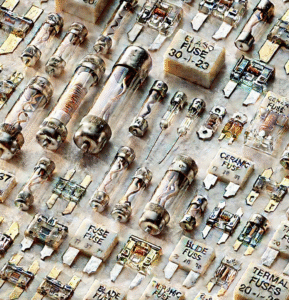
Every time you flip a switch, plug in your phone, or brew a morning cup of coffee, you’re relying on one silent hero of modern life: the fuse. Fuses are tiny devices designed to protect our homes, businesses, and lives from the dangers of electrical overloads and fires. But while they may look small and unassuming, their history is anything but simple. The journey of the fuse traces back more than a century and reflects the rapid growth of electricity, the struggle for safety, and the evolution of technology that powers our daily lives. ⚡

In this article, we’ll take a detailed look at how fuses were born, how they changed over time, and why they remain a cornerstone of electrical safety today.


The Origins of Fuses

The earliest concept of a fuse dates back to the late 19th century, at the dawn of widespread electrical use. As cities began wiring homes and businesses for electricity, fires and accidents became common. Engineers needed a way to automatically cut power when electrical circuits were overloaded.

The first practical fuse is credited to Thomas Edison in 1890. Edison designed it as a simple wire that would melt when too much current flowed through it, stopping the electrical supply before it could cause serious damage. His design was patented as part of his broader innovations in electrical distribution. At the time, these fuses were housed in screw-in cartridges that could be replaced once burned out.

The U.S. Patent and Trademark Office still recognizes Edison’s fuse patent as a foundational element in electrical safety.


Early Adoption in Homes and Industry

By the early 20th century, fuses were becoming a standard fixture in electrical systems. They were inexpensive, simple to use, and highly effective. For homeowners, this was revolutionary—fuses prevented house fires caused by overloaded wiring, a common issue as people added more appliances to their homes.

In industry, fuses were crucial for protecting expensive machinery and preventing power outages. Their introduction marked the beginning of safer electrical grids, allowing electricity to expand rapidly into every corner of society.


Evolution of Fuse Technology

Though Edison’s original idea was ingenious, early fuses had limitations. They often needed to be manually replaced, which was inconvenient and sometimes dangerous. Over time, manufacturers developed more advanced designs to improve safety and usability.

Cartridge Fuses

By the mid-1900s, cartridge-style fuses became common. These were enclosed in protective casings that reduced the risk of fire and made replacement safer. They came in various sizes and ratings, ensuring compatibility with different electrical systems.

Automotive Fuses

As cars became mainstream, engineers realized vehicles needed reliable electrical protection, too. The first automotive fuses appeared in the 1920s and evolved into the blade-type fuses widely used in cars today.

High-Voltage Fuses

For industrial and utility applications, high-voltage fuses were introduced to safeguard massive electrical equipment like transformers and substations. These heavy-duty fuses are designed to handle thousands of volts and protect critical infrastructure.

IEEE provides extensive research and historical records on the engineering breakthroughs that enabled these innovations.


Fuses vs. Circuit Breakers

As electrical systems advanced, another device entered the picture: the circuit breaker. While fuses melt to stop the flow of electricity, circuit breakers mechanically “trip” and can be reset instead of replaced. By the mid-20th century, circuit breakers started gaining popularity in homes and businesses.

Still, fuses remain widely used today. They are cheaper, faster at interrupting dangerous surges, and often more reliable in specific applications, such as automotive and high-voltage systems. The relationship between fuses and circuit breakers reflects the diversity of electrical safety solutions—each has unique advantages depending on the setting.

For a deeper look at how circuit protection works, check resources from the National Fire Protection Association (NFPA), which sets standards for electrical safety worldwide.


The Role of Fuses in Modern Life

Despite the rise of circuit breakers, fuses are far from obsolete. They continue to play a vital role in everyday life:

  • Consumer Electronics: Tiny fuses are embedded in gadgets, chargers, and appliances.

  • Automobiles: Blade fuses protect wiring and ensure vehicles operate safely.

  • Industrial Systems: High-voltage fuses secure electrical grids and heavy machinery.

  • Renewable Energy: Solar panels and wind turbines rely on fuses for surge protection.

In fact, as technology becomes more advanced, the demand for specialized fuses grows. Modern fuses are designed with precision, tailored for everything from spacecraft to smartphones. 🌍🚗📱


The Cultural Impact of Fuses

Beyond technology, fuses have left their mark on culture and language. The phrase “blowing a fuse” has become synonymous with losing one’s temper, a nod to the sudden and dramatic way a fuse operates. Similarly, fuses appear in countless movies, books, and metaphors, symbolizing both fragility and explosive release.

This cultural footprint highlights how deeply fuses are woven into human experience—both practically and symbolically.


The Future of Fuses

Looking ahead, the fuse continues to evolve. Innovations in smart fuses are emerging, allowing real-time monitoring of circuits and predictive failure alerts. These developments could reduce downtime in industries and improve safety in homes.

As renewable energy systems expand, fuses will play an even bigger role in protecting clean energy grids. The demand for lightweight, efficient, and eco-friendly fuses is shaping the next generation of safety devices.

ScienceDirect publishes ongoing research on fuse technology and its applications in modern electrical engineering.


Conclusion

From Edison’s first patent to the modern smart grid, the fuse has stood the test of time as one of the most important safety devices in human history. Simple, effective, and reliable, fuses have protected countless homes, businesses, and lives for over a century.

While circuit breakers and digital technology have joined the safety landscape, the fuse remains indispensable. Next time you flip a switch or start your car, remember the humble fuse quietly standing guard, ensuring electricity remains a servant—not a danger. ⚡

The history of fuses isn’t just about wires and circuits—it’s about progress, innovation, and the human drive to make our world safer.


Authority Sources Used:

The Hidden Hero Above Your Head: Why Attic Insulation is Essential for Every Home 🏠

Home Improvement News for Attic Insulation

When homeowners think about comfort and energy efficiency, they often focus on heating systems, windows, or even smart thermostats. But there’s one powerful and often overlooked factor that can make or break a home’s efficiency: attic insulation.

Attic insulation isn’t just about keeping your home warm in winter — it plays a year-round role in regulating temperature, cutting energy costs, preventing moisture damage, and even protecting your roof. Without proper insulation, your home could be losing valuable conditioned air and racking up unnecessary energy bills.

In this article, we’ll dive deep into why attic insulation is a critical part of a healthy, efficient home, how it benefits your wallet and comfort, and why neglecting it can be a costly mistake.


1. Energy Efficiency and Cost Savings 💡

One of the primary benefits of attic insulation is its ability to reduce energy consumption. Heat naturally moves from warmer areas to cooler ones. In the winter, warm air from your living space rises and escapes into your attic if it’s not properly insulated. In the summer, hot attic air can seep into your home, forcing your cooling system to work harder.

According to the U.S. Department of Energy (source), proper insulation can reduce heating and cooling costs by up to 20%. Over time, these savings can add up to thousands of dollars — and they often cover the cost of insulation installation in just a few years.


2. Comfort All Year Long

No one likes walking into a home where one room feels like a sauna and another feels like a freezer. Poor attic insulation can cause temperature fluctuations that make your home uncomfortable.

A well-insulated attic creates a consistent thermal barrier between the interior of your home and the outdoor climate. In winter, it traps warm air inside; in summer, it keeps the heat out. This means more stable indoor temperatures and a home that feels equally comfortable in every room — no matter the season.


3. Protecting Your Roof and Structure 🛠

You might not realize it, but attic insulation plays a role in protecting your roof’s lifespan. Without proper insulation, heat from your home can escape into the attic during winter and melt snow on the roof. This water can refreeze at the edges, forming ice dams that cause significant roof damage and leaks.

Similarly, in hot climates, an overheated attic can cause shingles to deteriorate prematurely. Pairing insulation with proper ventilation can significantly reduce this risk. The National Roofing Contractors Association (source) notes that insulation and ventilation work together to maintain roof health, reducing costly repairs down the line.


4. Environmental Impact 🌱

Every kilowatt of energy you save by improving attic insulation reduces your home’s carbon footprint. Lower energy consumption means less reliance on fossil fuels and reduced greenhouse gas emissions.

If you’re looking to make your home more eco-friendly, attic insulation is one of the simplest and most impactful upgrades you can make. The Environmental Protection Agency (source) encourages homeowners to improve insulation as part of their energy-saving initiatives, highlighting its positive effect on the environment.


5. Moisture and Mold Prevention

Attics are notorious for moisture problems, especially in climates with significant temperature swings. Without proper insulation, warm indoor air can meet the cold underside of your roof, causing condensation. Over time, this moisture can lead to mold growth, wood rot, and compromised air quality inside your home.

Insulation acts as a barrier, reducing the chances of condensation forming in the first place. When combined with proper ventilation, it can help keep your attic dry and your indoor air cleaner.


6. Increasing Home Value

Homebuyers today are more energy-conscious than ever. A home with upgraded attic insulation can be more attractive on the market because it promises lower energy bills and improved comfort.

While you may not see insulation on the surface, home inspectors and savvy buyers often ask about it during the purchasing process. A well-insulated attic can be a selling point that sets your home apart.


7. Types of Attic Insulation to Consider

If you’re ready to improve your attic insulation, it’s worth understanding the options:

  • Fiberglass Batt Insulation – Affordable and widely available, good for standard joist spacing.

  • Blown-In Insulation – Great for filling in gaps and covering irregular spaces.

  • Spray Foam Insulation – Provides both insulation and air sealing, excellent for high-performance energy efficiency.

  • Rigid Foam Boards – Best for targeted areas or new construction.

Each type has pros and cons, and the right choice often depends on your home’s age, attic layout, and budget.


8. When to Upgrade Your Attic Insulation

Some signs that it’s time to check or upgrade your attic insulation include:

  • Uneven temperatures in different parts of your home

  • Rising energy bills without a change in usage

  • Drafts coming from the ceiling or attic access points

  • Ice dams forming on the roof in winter

  • Visible damage or compression in existing insulation

An energy audit or home inspection can determine the current R-value (insulation’s resistance to heat flow) in your attic and whether it meets modern efficiency standards for your region.


Conclusion: Don’t Overlook the Power of Your Attic 🏡

Your attic might be out of sight, but it should never be out of mind. Proper attic insulation is one of the most cost-effective, comfort-boosting, and environmentally friendly home upgrades you can make. It not only saves money on energy bills but also protects your roof, improves your air quality, and increases your home’s value.

If you’ve been feeling drafts, noticing uneven room temperatures, or watching your energy bills climb, your attic might be quietly signaling that it’s time for attention. Investing in proper attic insulation today will pay dividends in comfort, savings, and peace of mind for years to come.

Why Is There Such a Big Market for Plastic Pallets? ♻️📦

Business News for Plastic pallets

A Revolution in Material Handling

The global supply chain has undergone a massive transformation in recent years. As businesses evolve to meet rising consumer demand, comply with safety regulations, and support sustainability goals, the materials used for logistics and transportation have also changed. One item, in particular, has emerged as a quiet but powerful player in this evolution: plastic pallets.

Once dominated by wooden platforms, the pallet industry has witnessed a remarkable surge in demand for plastic alternatives. But why? What makes plastic pallets such a hot commodity across industries from food and pharmaceuticals to automotive and eCommerce?

Let’s dive into the reasons behind the explosive growth of the plastic pallet market and why it’s more than just a trend—it’s the future of smart logistics. 📈🌍


The Evolution of Pallets: From Wood to Plastic

Pallets have long been the unsung heroes of shipping. Introduced in the early 20th century, wooden pallets quickly became the standard for moving goods. They were cheap, abundant, and easy to manufacture. But over time, industries began to notice the limitations:

  • Susceptibility to moisture and rot

  • Splinters and nails creating safety hazards

  • Uneven shapes and unreliable load-bearing

  • Heavier weight contributing to shipping costs

  • Inconsistency in quality

As industries like pharmaceuticals, food production, and export logistics became more regulated and safety-focused, wooden pallets began to lose their edge. Enter plastic pallets, offering a sleek, durable, and hygienic alternative.


1. Hygiene and Safety Standards Are Driving Demand 🧼

Plastic pallets are non-porous, meaning they don’t absorb moisture, chemicals, or bacteria. In industries where cleanliness is non-negotiable—like food & beverage and pharmaceuticals—this is a game-changer.

According to the U.S. Food and Drug Administration (FDA), sanitation in food transport is vital for public safety. Wooden pallets, which can harbor mold, pests, and bacteria, pose contamination risks. Plastic pallets are easier to clean, compatible with pressure washing and steam sterilization, and meet hygiene protocols more efficiently.

As companies seek FDA-compliant, GMP-certified, and HACCP-friendly packaging solutions, plastic pallets are naturally becoming the standard.


2. Durability and Longevity = Better ROI 💰

Unlike wood, plastic pallets don’t splinter, crack, or warp under stress. They’re built for long-term use—even in extreme temperatures or harsh handling conditions.

A well-made plastic pallet can endure up to 10 years of continuous use, while a wooden pallet may break after a few trips. While plastic pallets come with a higher upfront cost, the total cost of ownership is significantly lower over time.

This longer life cycle translates to:

  • Fewer replacements

  • Lower repair costs

  • Reduced downtime due to damaged pallets

  • Better stacking performance

  • Fewer employee injuries from sharp edges or exposed nails

These factors combine to make plastic pallets a smart investment for businesses focused on cost control and operational efficiency.


3. Rising Demand for Sustainability Solutions 🌱

Today’s consumers and companies alike are making eco-conscious decisions—and supply chains are under the microscope.

Plastic pallets, especially those made from recycled materials, contribute to sustainable logistics in multiple ways:

  • Recyclability: At the end of their lifecycle, most plastic pallets can be fully recycled.

  • Lightweight: They reduce fuel consumption during transportation.

  • Less Waste: They don’t break easily, so fewer pallets end up in landfills.

  • Closed-loop Systems: Many companies now use reusable plastic pallets in closed-loop logistics, further reducing their carbon footprint.

Organizations like the Sustainable Packaging Coalition emphasize the importance of long-lasting, reusable packaging. Plastic pallets align perfectly with this mission, offering both durability and recyclability.


4. Globalization and Export Regulations 🌐

Shipping internationally? Wooden pallets can be a nightmare. Many countries require ISPM-15 certification for wood packaging materials to prevent the spread of pests and diseases. This means pallets must be heat-treated or fumigated and stamped, adding cost and complexity to exports.

Plastic pallets are exempt from ISPM-15 regulations, making them ideal for international shipping. Companies can skip the red tape and ensure faster border clearance, fewer inspections, and lower chances of rejection at ports.

As businesses expand across borders, plastic pallets simplify the process, reduce risk, and eliminate compliance headaches.


5. Automation and Warehouse Efficiency 🤖

Modern distribution centers are going high-tech with automated storage and retrieval systems (AS/RS), robotic forklifts, and conveyor systems. These systems require uniform and precise pallet dimensions—something wood simply can’t guarantee.

Plastic pallets, manufactured using injection molding or structural foam techniques, offer the consistency needed for automation. They improve:

  • Stackability

  • Handling by robots

  • Barcode scanning and RFID tracking integration

  • Compatibility with smart warehouse systems

By embracing automation-ready plastic pallets, warehouses see improved speed, fewer errors, and better data tracking throughout the supply chain.


6. Customization and Branding 🎨

Plastic pallets can be tailored to specific industries, dimensions, and even branding requirements. They come in various styles:

  • Nestable

  • Rackable

  • Stackable

  • Hygienic/cleanroom

  • Drum-compatible

Companies can even embed RFID chips, color-code, or brand pallets with logos and information—something not easily done with wood.

Customization enhances traceability, supports lean operations, and reflects a company’s commitment to modern, sustainable logistics.


7. Industry Growth: eCommerce, Pharmaceuticals, and More 📦

The rise of eCommerce, cold-chain pharmaceuticals, and automated fulfillment centers is skyrocketing the demand for durable, clean, and smart pallet systems.

Reports by Statista and MarketsandMarkets confirm rapid growth in:

  • Online retail logistics, where fulfillment centers need lightweight and efficient handling tools.

  • Cold chain logistics, where condensation and moisture ruin wooden pallets.

  • Healthcare logistics, where sterility and compliance are non-negotiable.

Plastic pallets are being adopted not just as a nice-to-have, but a mission-critical component of supply chain strategy.


8. Consistent Sizing and Reduced Product Damage 📐

Wooden pallets often vary in dimension and shape due to natural material inconsistencies. This creates problems when stacking products, especially fragile or high-end goods.

Plastic pallets are precisely molded, which:

  • Reduces tipping or collapsing in transport

  • Prevents compression damage

  • Enhances safety for goods and employees

  • Increases efficiency in stacking and warehouse layout planning

In industries like electronics, automotive parts, and luxury goods, this consistency can mean the difference between a profitable delivery and a costly product return.


9. Easier Handling and Lighter Weight 💪

Plastic pallets are significantly lighter than their wooden counterparts. This matters for:

  • Air freight (where weight = cost)

  • Manual handling by employees (reducing strain and injury)

  • Faster loading and unloading

Many modern plastic pallets are ergonomically designed with handholds and smoother edges, offering better handling and worker safety, which OSHA and workplace safety advocates strongly recommend. ⚠️


10. Supply Chain Resilience and Smart Logistics 🔄

COVID-19 and global disruptions taught companies the value of resilient supply chains. Reusable plastic pallets have played a role in building that resilience.

Unlike wood pallets, which were in short supply during the pandemic due to lumber shortages and labor issues, plastic pallets offer:

  • More predictable availability

  • Better compatibility with lean, just-in-time inventory systems

  • Integration with IoT devices and supply chain visibility platforms

The ability to track and reuse pallets with precision adds layers of intelligence to the modern supply chain.


Conclusion: Why the Plastic Pallet Market Keeps Growing 🚀

The big market for plastic pallets near me isn’t a passing fad—it’s a reflection of deeper shifts in how businesses think about cost, safety, sustainability, and efficiency.

From hygienic handling in food factories to robotics in Amazon warehouses, plastic pallets are versatile, dependable, and future-focused. They deliver a clear return on investment and support a company’s branding, compliance, and green goals.

As industries continue to evolve and optimize, the demand for smarter logistics tools like plastic pallets will only continue to grow. 🌍📦

Ready to upgrade your supply chain with high-quality, USA-made, 100% recycled plastic pallets? Choose XPLT for performance you can count on.

🟩 Durable
🟩 Eco-Friendly
🟩 Made in America
🟩 Built for Every Industry

Let’s move your business forward—one smart pallet at a time. Learn more about sustainable materials and join the logistics revolution.

What Is Medical Billing Credentialing? A Complete Guide for Providers and Practices 🩺💼

Health News for Credentialing

Medical billing credentialing is one of the most essential yet misunderstood components of running a successful healthcare practice. If you’re a physician, nurse practitioner, therapist, or even an office administrator, understanding this process isn’t optional—it’s vital. Whether you’re opening a new clinic, joining a provider network, or aiming to streamline your billing, credentialing plays a pivotal role in how—and if—you get paid.

This article explores the ins and outs of medical billing credentialing, why it matters, how the process works, who needs it, and how to do it correctly. We’ll also walk through common pitfalls and offer expert tips to help you succeed in today’s complex healthcare billing environment.


Why Credentialing Matters in Medical Billing 🔍

Imagine treating a patient, submitting the insurance claim, and then waiting… only to find out your claim was denied—not because of poor documentation, but because you weren’t credentialed with the payer. That’s a nightmare no provider wants to face. Credentialing isn’t just a formality. It’s the process that ensures you’re recognized and approved by insurance companies so you can receive reimbursement for services.

In today’s healthcare economy, where insurance contracts and third-party payers govern most of the financial exchange, being credentialed is a non-negotiable. Without it, you risk losing income, frustrating patients, and facing compliance risks.

Let’s dig deeper into what credentialing is, how it relates to billing, and how to navigate it like a pro.


What Is Medical Billing Credentialing? 🏥🖊️

Medical billing credentialing (often just called “provider credentialing”) is the process by which healthcare providers are reviewed and approved by insurance companies and government payers to bill for services. This process confirms that the provider has the required training, licensure, certifications, experience, and insurance to deliver healthcare services.

Credentialing is not the same as licensing, although they’re related. While licensure comes from a state medical board, credentialing is granted by payers (insurance companies, Medicare, Medicaid, etc.) or healthcare facilities (hospitals, surgery centers).

Once a provider is credentialed, they are enrolled in the payer’s system and granted a provider ID number. This ID is necessary to:

✅ Submit claims
✅ Receive reimbursements
✅ Be listed as in-network
✅ Avoid payment delays or denials

Without successful credentialing, a provider might see patients, but they won’t get paid by the payer—and patients could be left with the bill.


The Credentialing Process Explained 📋⏳

Credentialing involves a detailed review of the provider’s background. This is usually conducted by both the healthcare facility (if applicable) and third-party payers.

Here’s how it generally works:

1. Pre-Application Review

Before submitting credentialing documents, some payers require a pre-application or screening to determine if the provider is eligible to apply based on network needs.

2. Application Submission

Providers must complete an application (often via CAQH ProView, a centralized data collection service) and submit:

  • Medical license and board certifications

  • Malpractice insurance details

  • Education and residency proof

  • Work history (usually 5–10 years)

  • DEA registration

  • NPI (National Provider Identifier)

  • Tax ID and practice information

3. Primary Source Verification

The payer or credentialing body verifies the submitted information directly with the issuing institutions—such as medical schools or licensing boards—to ensure everything is accurate and up-to-date.

4. Committee Review

A credentialing committee may review the file and make a determination based on the verification results. This can take 60 to 180 days, depending on the payer.

5. Contracting

Once credentialed, the provider will be offered a participation contract with the insurance company. This agreement outlines reimbursement rates, billing rules, and network terms.

6. Re-Credentialing

Credentialing isn’t a one-and-done process. Most payers require re-credentialing every 2–3 years to ensure continued compliance.


Credentialing vs. Enrollment: What’s the Difference? ⚖️

Although these terms are often used interchangeably, they refer to different parts of the process.

  • Credentialing confirms a provider’s qualifications.

  • Enrollment places the provider in the payer’s billing system and issues a provider ID number.

Think of credentialing as the interview and enrollment as getting hired. Both are crucial for billing.


Who Needs to Be Credentialed? 👩‍⚕️🧑‍⚕️

Credentialing isn’t just for doctors. The following professionals typically need to be credentialed before billing insurance:

  • Physicians (MDs, DOs)

  • Nurse Practitioners (NPs)

  • Physician Assistants (PAs)

  • Psychologists and Licensed Clinical Social Workers

  • Dentists

  • Physical and Occupational Therapists

  • Chiropractors

  • Behavioral health providers

In group practices or hospital settings, each individual must be credentialed, even if they work under a shared tax ID or NPI.


Why Credentialing Is Crucial for Medical Billing 💰📨

Credentialing directly impacts revenue, reimbursement speed, and practice efficiency. Here’s how:

1. Insurance Reimbursement

You can’t bill insurance payers until you’re credentialed and enrolled. Period.

2. In-Network Participation

Patients prefer in-network providers to avoid high out-of-pocket costs. Being credentialed lets you accept insurance and increases patient volume.

3. Compliance

Credentialing helps protect against fraud, waste, and abuse. It’s also part of regulatory compliance for CMS, HIPAA, and other governing bodies.

4. Reputation and Trust

Credentialed providers gain legitimacy in the eyes of patients and peers. It demonstrates that you meet industry standards of care.


Common Credentialing Mistakes and How to Avoid Them ❌⚠️

Credentialing is notoriously complex. Here are common mistakes and how to sidestep them:

❌ Submitting incomplete applications
➡️ Solution: Use a credentialing checklist to gather all documents before applying.

❌ Ignoring re-credentialing deadlines
➡️ Solution: Set calendar alerts and track expiration dates of licenses and certifications.

❌ Not using CAQH
➡️ Solution: Create a CAQH profile at https://www.caqh.org and keep it updated. Most payers rely on this centralized system.

❌ Poor communication with payers
➡️ Solution: Follow up regularly. Some delays are due to backlogs, errors, or missing data.

❌ DIY credentialing without experience
➡️ Solution: Consider outsourcing to a credentialing service if you’re unsure of the process. It can save time and reduce costly errors.


Tips to Streamline the Credentialing Process 🧠✅

  • Start Early: Begin credentialing at least 90 to 120 days before seeing patients. Some payers take months to approve.

  • Use Credentialing Software: Tools like VerityStream or Modio Health can automate updates and reminders.

  • Document Everything: Maintain a credentialing file with all licenses, transcripts, certificates, and payer communications.

  • Designate a Credentialing Coordinator: This could be an office manager, billing staff, or outsourced provider who oversees the process.

  • Track Each Payer’s Requirements: Each insurance company has unique forms and rules. Maintain a log of requirements per payer.


Legal and Regulatory Considerations ⚖️📝

Credentialing is governed by state regulations, federal mandates, and accrediting bodies like The Joint Commission. Failure to comply can lead to:

  • Loss of payer contracts

  • Audits or legal action

  • Penalties under the False Claims Act

It’s also tied to patient safety and trust, which is why proper credentialing is required under risk management protocols and healthcare accreditation.


How Medical Billing Services Help With Credentialing 🧾🧑‍💻

Many medical billing companies now offer credentialing services as part of their RCM (Revenue Cycle Management) packages. These services typically include:

  • Application completion

  • CAQH management

  • Payer follow-up

  • Contract negotiations

  • Re-credentialing alerts

Using a professional service ensures that your applications are done right the first time, helping you get credentialed faster and with fewer errors.


Conclusion: Credentialing Is the Backbone of Medical Billing Success 🚀🏁

If you’re in the business of healthcare, you’re also in the business of compliance, billing, and credentialing. Medical billing credentialing is not just a formality—it’s the gateway to being reimbursed, respected, and trusted by patients and payers alike.

Whether you’re just starting out, expanding your practice, or dealing with denied claims, investing time into proper credentialing processes will save you money, protect your license, and build a stronger foundation for your healthcare career.

Don’t let bureaucracy slow you down. Get credentialed. Stay credentialed. And watch your practice thrive. 💼📈


Resources for Further Reading:

What Do Certified Arborists Do? 🌳🌍

Business News for Certified Arborists

Trees are one of nature’s most valuable resources—they clean our air, provide shade and shelter, add property value, and support entire ecosystems. However, the health and safety of trees, especially in urban and suburban areas, don’t maintain themselves. This is where certified arborists come in. Often referred to as tree surgeons, certified arborists are highly trained professionals responsible for the cultivation, management, and study of individual trees, shrubs, vines, and other perennial woody plants. But their work goes far beyond trimming branches or removing stumps. Their expertise helps maintain healthy environments, prevents property damage, ensures public safety, and preserves the natural beauty of communities.

In this article, we’ll dive deep into the work of certified arborists, the training and certifications they must obtain, the services they offer, and why their role is so critical in today’s world. If you’ve ever wondered whether you need an arborist for your home, business, or municipality—or simply want to better understand what these green-thumbed professionals do—you’re in the right place. 🌱


What Is a Certified Arborist?

A certified arborist is a tree care professional who has earned certification through the International Society of Arboriculture (ISA). This certification requires passing a comprehensive exam covering all aspects of arboriculture, including tree biology, diagnosis, maintenance practices, and safety. To maintain their credentials, certified arborists must also engage in continuing education and uphold the ISA’s code of ethics.

Unlike general landscapers or gardeners, certified arborists have specialized training in the science of tree care. Their expertise extends to understanding soil science, pest and disease management, pruning techniques, and advanced risk assessments. They are the go-to experts when trees need more than just routine trimming—they diagnose issues, develop care plans, and provide treatments to help trees thrive for generations.


Services Offered by Certified Arborists 🌿

Certified arborists offer a wide range of services for homeowners, businesses, cities, and public institutions. These include:

1. Tree Health Assessments

Tree health assessments are a core service provided by certified arborists. Using their deep understanding of tree biology and pathology, arborists inspect trees for signs of disease, pest infestation, structural instability, nutrient deficiencies, and environmental stress. They often use tools like resistographs or sonic tomography to detect internal decay without damaging the tree.

By catching issues early, arborists can recommend treatments that prevent costly removals and restore tree vitality. This proactive care helps protect both people and property from falling limbs or diseased trees that can cause harm or spread problems.

2. Tree Pruning and Trimming

While many people consider pruning to be a cosmetic task, it’s actually vital to a tree’s long-term health. Certified arborists prune trees to remove dead or diseased branches, improve structure, enhance sunlight penetration, and reduce the risk of storm damage. They follow best practices such as ANSI A300 pruning standards to ensure cuts are clean and beneficial.

Improper pruning can permanently damage or kill a tree. That’s why it’s crucial to have a certified arborist handle this task rather than a general handyman or landscaper.

3. Tree Planting and Selection 🌱

Planting a tree may seem simple, but the wrong species in the wrong location can lead to years of problems. Certified arborists guide property owners in selecting species that will thrive in the local soil, climate, and space. They also ensure trees are planted with proper spacing, depth, and protection to encourage strong root development and healthy growth.

According to the U.S. Forest Service, healthy urban forests reduce energy use, improve air quality, and enhance the quality of life. Arborists play a key role in helping these forests take root.

4. Tree Removal and Stump Grinding

Sometimes, removing a tree is necessary due to safety risks, disease, or land development. Certified arborists are trained to assess whether removal is the best or only option and can perform the job safely. Tree removal can be dangerous work—especially when trees are large, leaning, or near power lines—and should only be handled by trained professionals with the right equipment.

Once a tree is removed, arborists often recommend stump grinding to prevent decay, tripping hazards, or the regrowth of unwanted shoots.

5. Emergency Tree Services 🌪️

Storms, lightning, high winds, and even vehicle impacts can cause trees to fall or become hazardous. Certified arborists offer emergency services to remove or stabilize trees after such events, protecting property and restoring safety. Because they understand tree structure and biology, they can assess whether a tree can be saved or must be removed.

In emergency scenarios, rapid response can make a big difference—and certified arborists are trained to act quickly and safely under pressure.

6. Pest and Disease Management 🐛

Certified arborists diagnose and treat a wide array of tree pests and diseases, from emerald ash borer infestations to oak wilt and root rot. They use integrated pest management (IPM) strategies, which may include biological controls, chemical applications, pruning, and improved soil conditions.

Their goal is to treat problems with minimal impact on the environment. Arborists are trained in the responsible use of pesticides and know when alternative methods are more effective or sustainable.

7. Soil and Root Care

A tree’s health begins underground. Certified arborists often test soil for pH, compaction, drainage, and nutrient content. If a tree is struggling, the issue is often invisible to the naked eye. Remedies might include deep root fertilization, aeration, or amending the soil with organic matter.

Healthy soil means stronger roots, better water absorption, and greater resistance to disease.

8. Construction Consultation

Construction near trees can be devastating if not managed properly. Arborists consult with builders and property owners to ensure trees are protected during excavation, grading, or installation of utilities. This may involve root mapping, protective barriers, and recommendations for machinery routes.

Tree preservation plans are especially important for municipalities and developers who want to balance growth with sustainability.

9. Tree Risk Assessment & Reports

Arborists are qualified to provide tree risk assessments—formal evaluations that rate the likelihood and consequences of tree failure. These reports are often required for insurance purposes, legal claims, or city permits. Using tools and expertise, arborists document tree conditions and make recommendations for mitigation.

Having an arborist’s written report can also help property owners defend against claims of negligence or damage due to falling limbs.


Why Certification Matters 🎓

Not all tree service providers are created equal. Hiring someone with an ISA certification ensures they’ve demonstrated a high level of knowledge and professionalism. Certified arborists commit to:

  • Upholding ethical standards of care and integrity.

  • Staying current on the latest science and industry practices.

  • Adhering to safety protocols that protect both workers and the public.

  • Continuing education to maintain certification and improve their skills.

Homeowners, businesses, and cities that hire ISA-certified arborists benefit from higher-quality work, better outcomes for their trees, and lower risks of damage or liability.

For more information on the certification process or to verify an arborist’s credentials, visit the ISA’s official website.


The Economic and Environmental Benefits of Arborists 💰🌎

Hiring a certified arborist is not just an expense—it’s an investment. Well-maintained trees can increase property values by as much as 20%, according to Arbor Day Foundation research. In cities, tree-lined streets attract shoppers, improve traffic safety, and reduce urban heat islands.

Healthy trees also:

  • Improve air and water quality

  • Provide habitat for birds and wildlife

  • Reduce stress and improve mental health

  • Lower energy bills through shade and wind buffering

  • Capture stormwater runoff and reduce soil erosion

These wide-ranging benefits have made urban forestry a recognized part of city planning, and certified arborists are often contracted by governments, universities, and developers to guide green initiatives.


When Should You Call a Certified Arborist? 📞

Here are some situations where hiring a certified arborist is the smart move:

  • You notice mushrooms or fungus growing on your tree trunk or roots.

  • A tree has suffered storm damage or is leaning.

  • You want to plant new trees strategically for shade or privacy.

  • A tree is shedding limbs, losing leaves out of season, or showing other signs of disease.

  • You’re building a home or office and want to preserve existing trees.

  • You’re concerned about safety or liability from an old or overgrown tree.

  • You need help with pruning, fertilization, or routine tree care.

Whether you’re a homeowner wanting to protect a beloved oak or a business aiming to beautify your campus, an arborist can provide the scientific expertise to help your trees flourish.


Conclusion: Trust the Tree Experts 🌳❤️

Certified arborists are the unsung heroes of our neighborhoods, parks, and urban forests. Their knowledge ensures that trees live longer, grow stronger, and contribute meaningfully to the ecosystems around them. From health assessments to emergency removals, their work is rooted in science, safety, and stewardship. 🌿

By investing in the services of a certified arborist, you’re not just protecting a tree—you’re protecting property values, public safety, and the planet.

So the next time you walk down a shady path, admire a flowering dogwood, or sit beneath a swaying pine—remember, there’s probably an arborist to thank for that.

To find a certified arborist near you or to learn more about arboriculture, visit the International Society of Arboriculture. 🌐

The Power of Data-Driven Strategy Consulting: Why It’s Essential for Modern Business Success 📊🚀

Business News for Data Driven Strategy

In today’s hypercompetitive and digitally connected world, businesses face unprecedented complexity. From shifting customer expectations to rapid technological advancements, the pressure to make fast, accurate, and forward-thinking decisions is immense. This is where data-driven strategy consulting emerges as a game-changer.

Unlike traditional consulting that often relies on intuition, experience, or static benchmarks, data-driven consulting leverages real-time analytics, predictive modeling, and machine learning to inform strategic decisions. It transforms raw data into actionable insights, enabling organizations to optimize operations, personalize customer experiences, and outmaneuver competitors.

In this article, we’ll explore the importance of data-driven strategy consulting, its core benefits, real-world applications, and why it’s no longer optional for businesses aiming to thrive in 2025 and beyond.


What Is Data-Driven Strategy Consulting?

Data-driven strategy consulting is the practice of using data analytics, artificial intelligence (AI), and business intelligence tools to guide strategic decision-making. It replaces guesswork with evidence-based insights, allowing businesses to:MoreThanDigital Insights

This approach is particularly valuable in volatile or complex environments where traditional methods fall short. It enables companies to remain agile, resilient, and competitive.


Key Benefits of Data-Driven Strategy Consulting

1. Improved Decision-Making 🎯

Data-driven consulting empowers leaders to make informed decisions based on empirical evidence rather than intuition. By analyzing historical data and current trends, businesses can forecast outcomes and choose strategies with higher confidence.

According to Harvard Business School, organizations that leverage data effectively are better positioned to make high-impact decisions that drive growth and efficiency. Reddit+2Harvard Business School Online+2bluecactus.digital+2

2. Enhanced Customer Insights 🧠

Understanding customer behavior is crucial for tailoring products and services. Data-driven consulting analyzes customer data to uncover preferences, purchasing patterns, and feedback, enabling personalized marketing and improved customer satisfaction.

LinkedIn highlights that data-driven strategies allow businesses to understand their customers better, leading to personalized recommendations and targeted marketing campaigns. LinkedIn

3. Operational Efficiency ⚙️

By identifying inefficiencies and bottlenecks through data analysis, businesses can streamline operations, reduce costs, and improve productivity. This leads to better resource utilization and increased profitability.LinkedIn+1Pivot Counseling+1

Insights from MTD emphasize that data-driven consulting can remove uncertainty, increase consulting efficiency, and reduce overall project costs. MoreThanDigital Insights+1MoreThanDigital Insights+1

4. Competitive Advantage 🏆

Leveraging data allows businesses to stay ahead of competitors by quickly adapting to market changes and customer needs. Data-driven strategies enable proactive decision-making and innovation, essential for maintaining a competitive edge.

McKinsey reports that organizations using data-driven strategies are significantly more likely to acquire customers and retain them compared to those that don’t. bluecactus.digital

5. Risk Mitigation and Compliance 🛡️

Data analytics helps in identifying potential risks and ensuring compliance with regulations. By monitoring key indicators and trends, businesses can proactively address issues before they escalate.

Pivot Consulting notes that leveraging data insights allows businesses to optimize budgets and workforce allocation effectively, leading to improved operational efficiency and risk management. Pivot Counseling


Real-World Applications and Case Studies

Case Study: FTI Consulting and Ed Equity Lab

FTI Consulting developed a comprehensive data-driven expansion strategy for Ed Equity Lab, leveraging publicly available datasets and key performance indicators to assess school district suitability and guide targeted growth efforts. The team designed a replicable operational playbook, enabling Ed Equity Lab to scale its efforts effectively across different states while adapting to local nuances. FTI Consulting

Case Study: Accenture and a Global Insurer

Accenture helped a global insurer use data-driven operations to improve cash flow by $300 million and create more scalable finance and procurement processes. This involved integrating data analytics into their operations, leading to significant financial improvements. Accenture


Challenges in Adopting Data-Driven Strategies

While the benefits are substantial, businesses may face challenges in implementing data-driven strategies:

  • Data Quality and Integration: Ensuring data accuracy and integrating disparate data sources can be complex.

  • Cultural Resistance: Shifting to a data-driven culture requires change management and employee buy-in.

  • Skill Gaps: There may be a shortage of skilled professionals who can analyze and interpret data effectively.

  • Privacy and Compliance: Handling sensitive data necessitates strict adherence to privacy laws and regulations.

Addressing these challenges involves investing in the right technology, training, and governance frameworks.


Conclusion

Data driven strategy consulting is no longer a luxury but a necessity for businesses aiming to thrive in the modern landscape. By harnessing the power of data, organizations can make informed decisions, enhance customer experiences, and achieve operational excellence.

As the business environment continues to evolve, embracing data-driven strategies will be crucial for sustained success. Investing in data analytics capabilities and fostering a culture that values data-informed decision-making will position businesses to navigate challenges and seize opportunities effectively.