

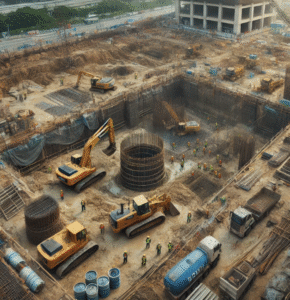
When most people think of construction, their minds go straight to the final structure—a towering skyscraper, a cozy home, or a bustling commercial plaza. But before any of that comes to life, something critical has to happen beneath the surface—literally. Excavation is the first major step in virtually every construction process. It may not be glamorous, but it is absolutely essential. Without proper excavation, even the most beautifully designed structures risk instability, delays, or even failure. Think of it as the foundation for the foundation.
Excavation ensures that the land is properly prepared for what’s to come. From clearing and grading the site to digging foundations and trenches, this stage is about creating a strong, stable, and safe environment for the rest of the project. In this article, we’re going to dig deep (pun intended) into why excavation is so vital to construction projects of all types—and how it affects everything from budgeting to safety and long-term structural integrity.
1. Site Preparation and Land Assessment 🧱
Before anything can be built, the land must be made suitable. This is where excavation starts making its mark. Through excavation, contractors clear away vegetation, debris, old infrastructure, and sometimes even hazardous materials. This prepares the construction site for the next stages, whether that’s laying foundations, installing utilities, or building roads.
More importantly, excavation helps to level and grade the site. According to the Occupational Safety and Health Administration (OSHA), site leveling helps prevent water drainage issues, foundation shifting, and uneven structural loads—factors that can be catastrophic if ignored.
🛠️ Real-world example: Imagine building a house on a sloped lot without grading. Rainwater would naturally flow toward the structure, causing long-term water damage, mold, and structural erosion.
2. Foundation Work and Structural Integrity 🏡
If excavation isn’t handled correctly, the entire building could be at risk. Why? Because the foundation must rest on compact, properly prepared soil. Uneven or unstable soil can result in shifting foundations, cracking walls, or worse—complete structural failure.
Excavators remove unsuitable soils like expansive clay or organic materials and replace them with compactable fill. They also dig precise trenches for footings, basements, and slabs. As The Balance Small Business explains, even a few inches off in footing depth or width can throw off an entire build, causing thousands in rework.
🏗️ Pro Tip: Good excavation includes soil testing and surveying before digging begins to identify the best soil types and the presence of groundwater or buried utilities.
3. Drainage and Erosion Control 💧
Proper water management is one of the most underappreciated elements of construction. Poor drainage can undermine a building’s foundation, flood basements, or rot wooden framing. Excavation creates pathways for stormwater runoff and lays the groundwork for drains, swales, and retention ponds.
According to the Environmental Protection Agency (EPA), construction sites without adequate erosion control can cause soil loss, sediment buildup in waterways, and damage to nearby ecosystems. Excavation contractors often install silt fences, sediment basins, and drainage trenches to keep water where it belongs.
🌧️ Did you know? Inadequate drainage is one of the leading causes of structural failure in residential buildings.
4. Utility Installation and Underground Infrastructure ⚡
Every modern building relies on a hidden network of utilities—electric lines, water mains, sewer systems, gas pipes, and telecommunications. Before these can be installed, you need accurate, deep, and safe excavation.
Excavators dig utility trenches that meet depth, slope, and separation requirements set by local codes. They also ensure that utility systems are properly supported and protected. This step is more complicated in urban environments where existing utilities can make new installations risky and complex. That’s why accurate site maps and Call Before You Dig protocols are so crucial.
📡 Tech insight: Many contractors now use ground-penetrating radar (GPR) before excavation to map existing underground structures. It saves time and prevents costly mistakes.
5. Safety and Legal Compliance 🦺
Excavation work is regulated for a reason—it’s dangerous. Improper trenching can lead to collapses, equipment accidents, or buried utility strikes. OSHA reports that trench collapses cause dozens of fatalities each year, often because the sides of a trench weren’t properly supported.
That’s why licensed excavation contractors are trained to follow strict safety protocols: sloping trench walls, using trench boxes, and following load-bearing capacity regulations. Beyond physical safety, legal compliance is another reason excavation is essential. Failing to follow environmental or structural codes can halt projects, lead to fines, or cause future lawsuits.
🚨 Quick fact: A trench only 5 feet deep requires safety precautions, according to OSHA excavation standards.
6. Speed and Efficiency in the Construction Timeline ⏱️
Excavation is the launchpad of the construction schedule. If excavation is delayed, the whole project timeline gets pushed back. On the flip side, efficient excavation enables faster installation of foundations, utilities, and infrastructure, keeping everything on track.
Modern excavation relies on advanced machinery like hydraulic excavators, bulldozers, trenchers, and GPS-equipped backhoes. With the right equipment and experienced operators, excavation can be completed with precision and speed, avoiding costly rework and downtime.
📊 Project Planning Tip: Allocate sufficient time for excavation planning and include contingencies for unexpected findings like rock beds or buried debris.
7. Environmental Considerations and Sustainable Practices 🌱
In today’s world, sustainable construction isn’t optional—it’s expected. Excavation plays a key role in eco-conscious development. It allows for proper topsoil conservation, habitat preservation, and the responsible disposal of debris and contaminants.
Many excavation teams now incorporate eco-friendly practices like reusing fill material on-site, minimizing erosion, and working around protected tree zones. The U.S. Green Building Council (USGBC) encourages sustainable site development as part of its LEED certification process—something many builders aim for to enhance market appeal and reduce environmental impact.
♻️ Sustainable mindset: Even the act of planning the excavation around natural contours or using non-toxic soil stabilizers can significantly reduce the environmental footprint.
8. Custom Builds and Complex Terrain 🏞️
Not all construction projects happen on flat, suburban land. Hillsides, rocky outcrops, flood zones, and urban infills require highly specialized excavation. For instance, building on a hill might involve terracing, retaining walls, or deep anchors—none of which is possible without expert excavation.
Even simple residential builds can become complicated if the soil is too sandy, wet, or full of tree roots. That’s why excavation isn’t just digging—it’s engineering. It often involves working with civil engineers and geotechnical experts to ensure the design is viable for the terrain.
📐 Engineering Insight: The angle of repose and load-bearing capacity must be calculated before digging begins to avoid future collapse or settling.
9. Cost Efficiency and Long-Term Savings 💸
Investing in quality excavation upfront saves thousands—if not millions—over the life of a building. Poor excavation leads to cracked foundations, drainage problems, and costly repairs down the line. It’s one of those parts of construction where cutting corners always backfires.
A well-executed excavation job prevents:
-
Structural damage
-
Insurance claims
-
Legal liability
-
Future maintenance costs
🏦 Financial strategy: Excavation might only be 5–10% of your total construction budget, but it impacts 100% of the build’s success.
10. Excavation in Different Types of Construction Projects 🧰
Excavation is a universal need, but the methods differ across industries:
-
Residential Construction: Clearing land, digging footings, and creating space for basements or crawlspaces.
-
Commercial Buildings: Site grading for parking lots, deep foundations for large buildings, utility trenching.
-
Infrastructure Projects: Roads, highways, and pipelines rely heavily on cut-and-fill techniques, slope stabilization, and drainage planning.
-
Industrial Sites: Excavation is used for large-scale utility installs, containment pits, and structural pads for heavy machinery.
Each sector brings unique challenges and standards, reinforcing the importance of specialized excavation crews with experience in that niche.
🧱 Pro insight: Don’t assume all excavation contractors are the same—always vet for relevant experience.
Conclusion: Dig Deep to Build Smart 🪨
Excavation might not be the flashiest part of the construction process, but it’s undoubtedly one of the most crucial. It lays the groundwork—literally and figuratively—for everything that follows. From supporting the structure’s weight to ensuring proper drainage, utility access, safety compliance, and sustainability, excavation affects every phase of the build.
Without solid excavation, a project is like building a castle on sand—pretty for a moment, but doomed to collapse. By investing in skilled excavation work, you’re not just preparing the ground. You’re preparing for success.
🚜 Final Thought: The next time you walk past a construction site and see a giant hole in the ground, just remember—that’s where the real magic begins.