

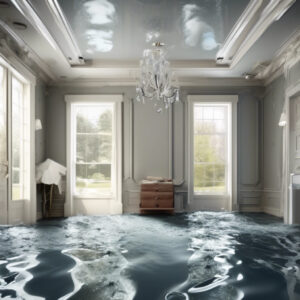
Water is a fundamental necessity for life, but when it invades our homes and businesses unexpectedly, it becomes a formidable force of destruction. Water damage is a pervasive issue that can result from various causes, including heavy rains, plumbing failures, burst pipes, and even appliance malfunctions. While it may seem like just an inconvenience at first, the effects of water damage can be far-reaching and devastating. Left unchecked, it can compromise the structural integrity of a building, lead to hazardous mold growth, and result in costly repairs.
Understanding the seriousness of water damage is crucial for homeowners, property managers, and business owners alike. By recognizing the warning signs, taking swift action, and implementing preventative measures, you can protect your property and ensure the safety of its occupants. In this article, we will explore the dangers of water damage, its impact on property and health, and the best strategies for remediation and prevention.
The Causes of Water Damage
Water damage can stem from a variety of sources, some of which are sudden and unpredictable, while others develop gradually over time. The most common causes include:
Natural Disasters – Heavy rainstorms, hurricanes, and flooding events can introduce massive amounts of water into a property, overwhelming drainage systems and causing significant damage.
Plumbing Failures – Leaky pipes, burst pipes, and faulty plumbing fixtures can allow water to seep into walls, floors, and ceilings, often going unnoticed until major damage has occurred.
Roof Leaks – Damaged or aging roofs can develop leaks that allow water to enter the attic and interior of a home, leading to deterioration of structural components.
Appliance Malfunctions – Washing machines, dishwashers, and water heaters can develop leaks or suffer breakdowns, leading to unexpected water damage.
HVAC System Issues – Improperly maintained heating, ventilation, and air conditioning (HVAC) systems can generate excessive condensation, contributing to water buildup and mold growth.
Basement Seepage – Homes with poor foundation drainage may experience basement flooding or water seepage, especially after heavy rainfall.
The Impact of Water Damage on Property
Water damage can have severe consequences on the physical structure of a building. If left untreated, it can compromise its safety and livability in the following ways:
Structural Damage – Wood, drywall, and insulation absorb water quickly, leading to warping, swelling, and weakening of the structural components of a building. Prolonged exposure can even cause floors to collapse and walls to deteriorate.
Electrical Hazards – Water infiltration into electrical systems can pose serious risks, including short circuits, power outages, and potential fires. Immediate action is required to prevent accidents.
Damage to Belongings – Furniture, electronics, documents, and personal belongings can suffer irreversible damage when exposed to water. Some items may be salvageable with proper drying techniques, while others may need to be discarded.
Mold Growth – Moisture creates an ideal environment for mold and mildew to thrive. Mold can spread quickly throughout a building, causing damage to surfaces and creating health hazards for occupants.
Decreased Property Value – A history of water damage, especially if not properly addressed, can negatively impact a property’s resale value and make it more difficult to sell.
The Health Risks of Water Damage
Beyond its impact on property, water damage can also pose serious health risks to individuals. The longer water damage remains unaddressed, the greater the potential for these health hazards:
Mold and Mildew Exposure – Mold spores can trigger allergies, respiratory issues, and other health complications, particularly in individuals with asthma or weakened immune systems.
Bacterial Contamination – Standing water and moisture create a breeding ground for bacteria, including harmful pathogens that can cause infections and illnesses.
Pest Infestations – Damp environments attract pests such as termites, cockroaches, and rodents, which can introduce additional health concerns and property damage.
Air Quality Issues – Increased humidity and mold growth can lead to poor indoor air quality, exacerbating conditions like sinus infections, headaches, and fatigue.
Immediate Steps to Take After Water Damage
When water damage occurs, swift action is essential to minimize its impact and prevent further deterioration. Follow these immediate steps:
Ensure Safety First – Turn off electricity in affected areas and avoid entering water-damaged spaces until it is deemed safe.
Identify and Stop the Water Source – Locate the source of the water intrusion and take steps to stop it, whether by shutting off the main water supply or addressing external flooding issues.
Remove Excess Water – Use pumps, wet vacuums, and absorbent materials to extract standing water as quickly as possible.
Dry and Dehumidify – Utilize fans, dehumidifiers, and ventilation to speed up the drying process and prevent mold growth.
Salvage Belongings – Remove valuable items from the affected area and attempt to dry or restore them before irreversible damage occurs.
Call a Professional Restoration Service – In cases of significant water damage, professional restoration experts have the equipment and expertise to handle the cleanup and ensure thorough drying and remediation.
Preventative Measures to Avoid Water Damage
While not all water damage incidents can be prevented, taking proactive measures can significantly reduce the risk. Here are some best practices:
Regular Inspections – Conduct routine checks of plumbing, roofs, and basements to identify and address potential issues before they escalate.
Maintain Gutters and Downspouts – Clean gutters regularly to prevent blockages and ensure proper drainage away from the foundation.
Monitor Appliances – Check washing machines, dishwashers, and water heaters for leaks and signs of wear and tear.
Improve Drainage – Ensure proper grading around your home to direct water away from the foundation and prevent basement seepage.
Install a Sump Pump – A sump pump can help remove excess water from basements and crawl spaces during heavy rainfall.
Use Water Detection Devices – Leak detection sensors can provide early warnings of water leaks, allowing for immediate intervention.
Conclusion
Water Damage is a serious issue that can have devastating consequences if not addressed promptly and effectively. From structural deterioration and financial losses to health hazards and decreased property value, the impact of water intrusion is far-reaching. Recognizing the causes of water damage, understanding its effects, and taking proactive measures can help mitigate risks and protect your home or business.
If you experience water damage, acting quickly is essential. Whether through DIY efforts for minor incidents or by enlisting professional restoration services for severe cases, timely intervention can make a significant difference in preventing long-term damage. By staying vigilant and implementing preventative strategies, you can safeguard your property and maintain a safe, healthy environment for yourself and those around you.