

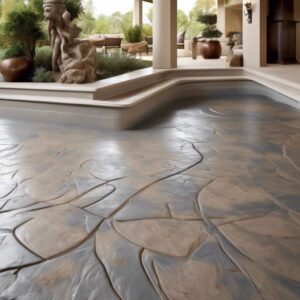
When it comes to home improvement, homeowners are always on the lookout for stylish, durable, and cost-effective solutions that enhance their property’s aesthetic appeal and functionality. One such option that has gained popularity in recent years is decorative concrete. Unlike traditional concrete, which is often viewed as a dull, gray, and purely functional material, decorative concrete offers an array of colors, textures, and patterns that can mimic high-end materials like stone, wood, brick, and even marble. It provides a unique combination of beauty, strength, and versatility, making it an excellent choice for both indoor and outdoor applications.
Whether you’re looking to upgrade your driveway, patio, flooring, or pool deck, decorative concrete presents an opportunity to transform your space without the high costs associated with natural materials. In this article, we will explore the many benefits of decorative concrete and why it should be a top consideration for homeowners looking to enhance their property.
The Many Benefits of Decorative Concrete
Aesthetic Versatility
One of the standout advantages of decorative concrete is its ability to replicate various high-end materials. Through stamping, staining, polishing, and other finishing techniques, concrete can be customized to resemble natural stone, slate, brick, tile, and even wood. This allows homeowners to achieve a sophisticated and luxurious look at a fraction of the cost of traditional materials.
Additionally, decorative concrete can be designed to match a homeowner’s specific taste and home décor. Whether you prefer earthy tones that blend seamlessly with your landscape or bold colors that make a statement, decorative concrete can be customized to fit your vision.
Durability and Longevity
Unlike traditional flooring materials such as hardwood, tile, or even asphalt, decorative concrete is incredibly durable. It is resistant to wear and tear, making it an excellent choice for high-traffic areas such as driveways, walkways, and patios. With proper maintenance, decorative concrete can last for decades without needing significant repairs or replacements.
Concrete is also highly resistant to extreme weather conditions, which is particularly important for outdoor applications. It can withstand heavy rain, snow, intense sunlight, and fluctuating temperatures without cracking or fading. This makes it an ideal choice for homeowners in various climates.
Cost-Effective
When compared to natural stone, pavers, or hardwood flooring, decorative concrete is a more budget-friendly option. The materials and installation costs are significantly lower, yet the finished product offers the same high-end appeal. Additionally, because concrete is so durable, homeowners save money on long-term maintenance and replacement costs.
The initial investment in decorative concrete pays off over time due to its longevity and minimal upkeep. Instead of dealing with costly repairs or replacements associated with other materials, homeowners can enjoy a beautiful and functional surface for years to come.
Low Maintenance
One of the biggest advantages of decorative concrete is its low maintenance requirements. Unlike materials like wood, which require frequent sealing and refinishing, or tile, which demands regular grout cleaning, decorative concrete is easy to maintain. A simple routine of sweeping, occasional mopping, and resealing every few years is typically all that is needed to keep it looking its best.
For outdoor applications, periodic power washing can help remove dirt and debris, while a high-quality sealant can protect against stains, moisture, and UV damage. This ease of maintenance makes decorative concrete a practical choice for busy homeowners who want a stunning look without the hassle of constant upkeep.
Eco-Friendly Option
Decorative concrete is an environmentally friendly choice for homeowners looking to reduce their carbon footprint. Unlike materials like wood, which require deforestation, or natural stone, which involves extensive quarrying, concrete is made from abundant and locally available resources. Additionally, because it is so durable and long-lasting, it reduces the need for frequent replacements, thereby minimizing waste.
Another eco-friendly aspect of decorative concrete is its ability to improve energy efficiency. Polished and stained concrete floors can help regulate indoor temperatures by absorbing and storing heat, reducing the need for excessive heating and cooling. This can lead to lower energy bills and a more sustainable home.
Improved Safety and Comfort
Safety is a major consideration for homeowners, especially those with children, elderly family members, or pets. Decorative concrete can be finished with non-slip coatings to provide better traction, reducing the risk of slips and falls. This is particularly important for pool decks, patios, and walkways where water exposure is common.
Additionally, decorative concrete can be customized to have a smoother, more comfortable surface than traditional rough concrete, making it a more pleasant option for barefoot walking, whether indoors or outdoors.
Versatile Applications
Decorative concrete can be used in a variety of residential applications, making it a highly versatile choice for homeowners. Some popular uses include:
Driveways – Stamped or stained concrete driveways can enhance curb appeal and create a grand entrance to your home.
Patios – Decorative concrete patios provide a stylish and durable outdoor space for entertaining guests.
Pool Decks – Slip-resistant decorative concrete is a safe and attractive option for surrounding pools.
Indoor Flooring – Polished or stained concrete floors offer a sleek and modern alternative to traditional flooring materials.
Walkways and Pathways – Stamped concrete walkways add charm and functionality to garden paths and entryways.
Fireplaces and Accent Walls – Decorative concrete can be used to create stunning fireplace surrounds and accent walls for a unique design statement.
Customization Options
Homeowners have nearly limitless customization options when it comes to decorative concrete. Some of the most popular techniques include:
Stamped Concrete – This technique involves pressing patterns into freshly poured concrete to mimic the look of brick, stone, wood, or tile.
Stained Concrete – Acid or water-based stains can be used to add rich colors and depth to concrete surfaces.
Polished Concrete – High-gloss polished concrete provides a sleek and modern look, ideal for contemporary homes.
Exposed Aggregate – This method involves removing the top layer of concrete to reveal decorative stones and pebbles for a textured look.
Conclusion
Decorative concrete is an excellent choice for homeowners looking to upgrade their living spaces with a material that offers beauty, durability, and affordability. With its ability to mimic high-end materials, withstand harsh weather conditions, and require minimal maintenance, decorative concrete is a practical and stylish solution for both indoor and outdoor applications.
Beyond its aesthetic appeal, decorative concrete provides long-term value by reducing maintenance costs, improving safety, and contributing to a more energy-efficient home. Whether you’re planning a home renovation or building from scratch, incorporating decorative concrete into your design can elevate your property’s appeal while remaining budget-friendly.
If you’re considering home improvements that balance form and function, decorative concrete is a smart investment that will enhance your home’s charm, usability, and longevity. Take the time to explore the many possibilities that decorative concrete has to offer, and create a stunning and resilient space that you and your family can enjoy for years to come.