

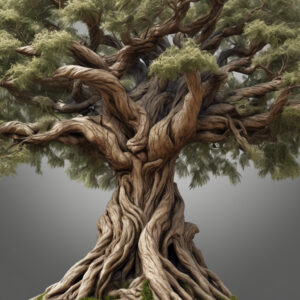
Trees are essential components of our environment, offering shade, improving air quality, and adding natural beauty to landscapes. However, caring for trees isn’t as simple as watering them occasionally or trimming a branch here and there. It requires expertise, precision, and an understanding of tree biology, health, and safety—a skill set that Certified Arborists bring to the table. But what exactly does a Certified Arborist do, and why are their services crucial for tree care and management? In this article, we will explore the multifaceted role of a Certified Arborist, their qualifications, and the value they add to residential, commercial, and municipal landscapes.
Introduction to Certified Arborists
A Certified Arborist is a professional trained in the art and science of planting, caring for, and maintaining individual trees. Certification is granted by the International Society of Arboriculture (ISA) to individuals who pass an extensive examination and meet other qualifications, such as work experience or a related degree. This credential signifies a commitment to the highest standards of tree care and adherence to a professional code of ethics.
While anyone can call themselves a tree care professional, Certified Arborists stand out due to their formal education, hands-on training, and ongoing commitment to learning. Their expertise covers a wide range of areas, including tree biology, pruning techniques, pest and disease management, soil health, and risk assessment. Whether working on a single tree in a homeowner’s yard or overseeing an entire urban forest, these professionals play a vital role in ensuring the health, safety, and sustainability of trees.
The Core Responsibilities of a Certified Arborist
Tree Health Assessment
One of the primary tasks of a Certified Arborist is evaluating the health of trees. This involves identifying signs of stress, disease, pest infestations, or structural weaknesses. Arborists use their expertise to diagnose issues such as root rot, fungal infections, or damage from environmental stressors like drought or storms.
By conducting regular tree inspections, they can detect problems early and recommend appropriate interventions, such as applying treatments, improving soil conditions, or removing diseased branches. Their goal is to preserve the tree whenever possible while ensuring it remains safe and stable.
Pruning and Trimming
Proper pruning is both an art and a science, and it’s a critical aspect of an arborist’s job. Certified Arborists prune trees to remove dead or diseased branches, improve structural integrity, and enhance aesthetics. They also understand how to prune in a way that promotes healthy growth and minimizes stress to the tree.
Pruning can vary depending on the species, age, and condition of the tree. For example, young trees may require formative pruning to establish a strong structure, while mature trees might need strategic trimming to reduce the risk of branch failure. Certified Arborists ensure these tasks are performed safely and correctly, avoiding common mistakes that could harm the tree.
Tree Planting and Selection
Choosing the right tree for a specific location is more complex than it might seem. Certified Arborists consider factors such as soil type, sunlight, water availability, and the tree’s mature size before recommending a species. They also evaluate the environmental and aesthetic needs of the client, whether it’s providing shade, improving privacy, or enhancing curb appeal.
Once a tree is selected, proper planting techniques are crucial to its long-term health. Arborists ensure trees are planted at the correct depth, with adequate room for root expansion, and in conditions that promote healthy establishment.
Pest and Disease Management
Trees can be vulnerable to a wide array of pests and diseases, ranging from aphids and beetles to bacterial and fungal infections. Certified Arborists are skilled in diagnosing and managing these threats. They may use integrated pest management (IPM) strategies, which focus on minimizing harm to the environment while effectively controlling pests and pathogens.
Treatments can include applying targeted pesticides, introducing beneficial insects, or improving tree health through fertilization and proper watering. Arborists also educate clients on preventative measures to reduce the risk of infestations and diseases.
Tree Risk Assessment
Tree risk assessment is a crucial service offered by Certified Arborists, particularly in urban areas where falling branches or unstable trees can pose safety hazards. Arborists evaluate factors such as structural integrity, root stability, and proximity to buildings or power lines to determine the level of risk.
If a tree is deemed hazardous, the arborist may recommend mitigation strategies, such as cabling and bracing to support weak limbs or, in extreme cases, tree removal. Their expertise ensures that risk is managed effectively while preserving trees whenever feasible.
Urban Forest Management
In addition to individual tree care, Certified Arborists often work on larger-scale projects, such as urban forest management. They collaborate with city planners, landscape architects, and other stakeholders to develop and implement strategies for maintaining healthy, sustainable tree populations in urban settings.
This can include tasks such as inventorying trees, creating management plans, and addressing challenges like invasive species, climate change, and limited green space. By promoting tree diversity and resilience, arborists help enhance the environmental, social, and economic benefits of urban forests.
The Tools and Techniques of Certified Arborists
Certified Arborists rely on a variety of specialized tools and techniques to perform their work safely and effectively. These can include:
Climbing Gear: Harnesses, ropes, and carabiners allow arborists to safely access the canopy of tall trees.
Pruning Tools: Hand pruners, loppers, and saws are used for precise trimming.
Diagnostic Equipment: Tools like soil probes, resistographs, and moisture meters help assess tree health.
Safety Gear: Helmets, gloves, and protective eyewear are essential for minimizing risks during tree care activities.
Technology: Drones and GIS mapping software are increasingly used for tasks like tree surveys and monitoring large areas.
Why Hire a Certified Arborist?
The decision to hire a Certified Arborist can make a significant difference in the health and longevity of your trees. Here are some key reasons to consider:
Expertise: Certified Arborists bring a wealth of knowledge that ensures trees are cared for using best practices.
Safety: Tree care can be dangerous, especially when dealing with large trees or hazardous conditions. Arborists are trained to handle these challenges safely.
Investment: Healthy trees enhance property value, reduce energy costs, and contribute to environmental sustainability. Proper care from a Certified Arborist protects this investment.
Ethical Practices: ISA certification requires adherence to a code of ethics, ensuring arborists act in the best interest of their clients and the environment.
Conclusion
Certified Arborists are more than just tree care professionals; they are stewards of our natural environment. Their expertise ensures that trees—whether in a backyard, a park, or a city street—receive the care they need to thrive. From diagnosing diseases to planting the right tree in the right place, their work enhances the health, safety, and beauty of our landscapes.
Whether you’re a homeowner looking to preserve a beloved tree or a municipality aiming to manage an urban forest, a Certified Arborist is an invaluable partner. By understanding what they do and the value they bring, you can make informed decisions that benefit both your trees and the broader environment.