

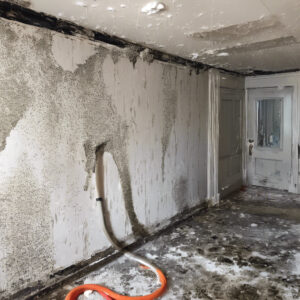
Mold is a silent invader that can cause significant damage to your home and health. In Naples, FL, the warm, humid climate provides the perfect breeding ground for mold, making it a common issue for homeowners. While mold can sometimes be visible, it often grows undetected, lurking behind walls, under floors, or in HVAC systems. Knowing when your home needs mold remediation is crucial to protecting your property and ensuring a safe living environment for your family. This article explores the telltale signs of mold, the dangers it poses, and the steps you can take to address it effectively.
Understanding Mold Growth
Mold thrives in environments with high humidity, moisture, and organic material to feed on. In Naples, frequent rainstorms, high temperatures, and elevated humidity levels create an ideal setting for mold growth. Common areas prone to mold include basements, bathrooms, kitchens, and anywhere water damage has occurred. Mold can grow within 24 to 48 hours of exposure to moisture, spreading rapidly if not addressed.
Signs Your Home Needs Mold Remediation
Visible Mold Growth
Mold can appear as black, green, white, or even orange spots on walls, ceilings, or other surfaces. If you see discoloration or fuzzy patches, it’s a clear indication of mold growth that requires immediate attention.
Musty Odors
A persistent musty smell, especially in certain areas of your home, often signals hidden mold. Even if you can’t see it, the odor indicates the presence of mold spores in the air.
Water Damage or Stains
Past or present water damage, including stains on walls or ceilings, bubbling paint, or warped wood, can create conditions for mold growth. If these signs are present, an inspection is necessary.
Health Symptoms
Exposure to mold can cause respiratory issues, allergies, and other health problems. Symptoms include sneezing, coughing, itchy eyes, skin irritation, and headaches. For individuals with asthma or compromised immune systems, mold exposure can be particularly harmful.
High Humidity Levels
Consistently high indoor humidity (above 60%) increases the risk of mold. If you notice condensation on windows or surfaces, it’s time to investigate for mold.
Unexplained Stains or Deterioration
Peeling wallpaper, crumbling drywall, or dark stains on walls and floors can indicate mold. These signs often point to hidden mold colonies.
The Dangers of Mold
Mold poses significant risks to both your home and health:
Structural Damage: Mold can weaken wood, drywall, and other building materials, compromising the structural integrity of your home.
Health Risks: Prolonged exposure to mold spores can cause respiratory problems, allergic reactions, and other health issues. Black mold, in particular, is highly toxic.
Decreased Property Value: Mold infestations can lower your home’s market value, making it less appealing to potential buyers.
What to Do If You Suspect Mold
Conduct a Visual Inspection
Look for visible signs of mold and water damage. Check hidden areas such as under sinks, behind appliances, and in attic spaces.
Test for Mold
If mold is suspected but not visible, professional mold testing can identify the type and extent of the infestation. DIY mold test kits are available but may not be as accurate.
Consult a Mold Remediation Professional
Professionals have the expertise and equipment to safely remove mold and prevent its recurrence. In Naples, FL, companies specializing in mold remediation understand the unique challenges posed by the local climate.
Address the Source of Moisture
Mold remediation is only effective if the underlying moisture problem is resolved. This may involve repairing leaks, improving ventilation, or installing dehumidifiers.
The Mold Remediation Process
Inspection and Assessment
A professional will inspect your home to determine the extent of the mold problem and develop a remediation plan.
Containment
To prevent mold spores from spreading, affected areas are sealed off using plastic sheeting and negative air pressure systems.
Air Filtration
High-efficiency particulate air (HEPA) filters are used to capture mold spores during the remediation process.
Mold Removal
Professionals remove mold-infested materials and clean surfaces with specialized treatments. Non-porous materials are cleaned, while porous materials may need to be discarded.
Repairs and Restoration
Once the mold is removed, damaged areas are repaired or replaced to restore your home.
Preventing Mold in Your Naples Home
Control Humidity
Use dehumidifiers and air conditioners to maintain indoor humidity levels below 60%.
Fix Leaks Promptly
Address leaks in roofs, pipes, and windows as soon as they occur.
Improve Ventilation
Ensure proper ventilation in bathrooms, kitchens, and laundry rooms by using exhaust fans.
Monitor Your Home’s Condition
Regularly inspect areas prone to moisture for early signs of water damage or mold.
Clean and Dry Wet Areas Quickly
Dry spills and wet surfaces within 24 to 48 hours to prevent mold growth.
Conclusion
Mold is a serious issue that requires prompt attention, particularly in humid climates like Naples, FL. Recognizing the signs of mold and understanding the importance of professional remediation can save you from costly repairs and health problems. If you suspect mold in your home, don’t wait—consult a mold remediation Naples specialist to ensure your home remains a safe and healthy environment for you and your family.