

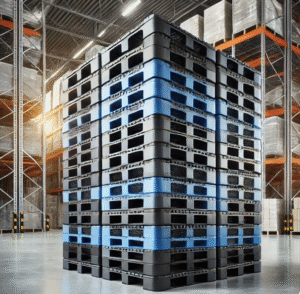
A Revolution in Material Handling
The global supply chain has undergone a massive transformation in recent years. As businesses evolve to meet rising consumer demand, comply with safety regulations, and support sustainability goals, the materials used for logistics and transportation have also changed. One item, in particular, has emerged as a quiet but powerful player in this evolution: plastic pallets.
Once dominated by wooden platforms, the pallet industry has witnessed a remarkable surge in demand for plastic alternatives. But why? What makes plastic pallets such a hot commodity across industries from food and pharmaceuticals to automotive and eCommerce?
Let’s dive into the reasons behind the explosive growth of the plastic pallet market and why it’s more than just a trend—it’s the future of smart logistics. 📈🌍
The Evolution of Pallets: From Wood to Plastic
Pallets have long been the unsung heroes of shipping. Introduced in the early 20th century, wooden pallets quickly became the standard for moving goods. They were cheap, abundant, and easy to manufacture. But over time, industries began to notice the limitations:
-
Susceptibility to moisture and rot
-
Splinters and nails creating safety hazards
-
Uneven shapes and unreliable load-bearing
-
Heavier weight contributing to shipping costs
-
Inconsistency in quality
As industries like pharmaceuticals, food production, and export logistics became more regulated and safety-focused, wooden pallets began to lose their edge. Enter plastic pallets, offering a sleek, durable, and hygienic alternative.
1. Hygiene and Safety Standards Are Driving Demand 🧼
Plastic pallets are non-porous, meaning they don’t absorb moisture, chemicals, or bacteria. In industries where cleanliness is non-negotiable—like food & beverage and pharmaceuticals—this is a game-changer.
According to the U.S. Food and Drug Administration (FDA), sanitation in food transport is vital for public safety. Wooden pallets, which can harbor mold, pests, and bacteria, pose contamination risks. Plastic pallets are easier to clean, compatible with pressure washing and steam sterilization, and meet hygiene protocols more efficiently.
As companies seek FDA-compliant, GMP-certified, and HACCP-friendly packaging solutions, plastic pallets are naturally becoming the standard.
2. Durability and Longevity = Better ROI 💰
Unlike wood, plastic pallets don’t splinter, crack, or warp under stress. They’re built for long-term use—even in extreme temperatures or harsh handling conditions.
A well-made plastic pallet can endure up to 10 years of continuous use, while a wooden pallet may break after a few trips. While plastic pallets come with a higher upfront cost, the total cost of ownership is significantly lower over time.
This longer life cycle translates to:
-
Fewer replacements
-
Lower repair costs
-
Reduced downtime due to damaged pallets
-
Better stacking performance
-
Fewer employee injuries from sharp edges or exposed nails
These factors combine to make plastic pallets a smart investment for businesses focused on cost control and operational efficiency.
3. Rising Demand for Sustainability Solutions 🌱
Today’s consumers and companies alike are making eco-conscious decisions—and supply chains are under the microscope.
Plastic pallets, especially those made from recycled materials, contribute to sustainable logistics in multiple ways:
-
Recyclability: At the end of their lifecycle, most plastic pallets can be fully recycled.
-
Lightweight: They reduce fuel consumption during transportation.
-
Less Waste: They don’t break easily, so fewer pallets end up in landfills.
-
Closed-loop Systems: Many companies now use reusable plastic pallets in closed-loop logistics, further reducing their carbon footprint.
Organizations like the Sustainable Packaging Coalition emphasize the importance of long-lasting, reusable packaging. Plastic pallets align perfectly with this mission, offering both durability and recyclability.
4. Globalization and Export Regulations 🌐
Shipping internationally? Wooden pallets can be a nightmare. Many countries require ISPM-15 certification for wood packaging materials to prevent the spread of pests and diseases. This means pallets must be heat-treated or fumigated and stamped, adding cost and complexity to exports.
Plastic pallets are exempt from ISPM-15 regulations, making them ideal for international shipping. Companies can skip the red tape and ensure faster border clearance, fewer inspections, and lower chances of rejection at ports.
As businesses expand across borders, plastic pallets simplify the process, reduce risk, and eliminate compliance headaches.
5. Automation and Warehouse Efficiency 🤖
Modern distribution centers are going high-tech with automated storage and retrieval systems (AS/RS), robotic forklifts, and conveyor systems. These systems require uniform and precise pallet dimensions—something wood simply can’t guarantee.
Plastic pallets, manufactured using injection molding or structural foam techniques, offer the consistency needed for automation. They improve:
-
Stackability
-
Handling by robots
-
Barcode scanning and RFID tracking integration
-
Compatibility with smart warehouse systems
By embracing automation-ready plastic pallets, warehouses see improved speed, fewer errors, and better data tracking throughout the supply chain.
6. Customization and Branding 🎨
Plastic pallets can be tailored to specific industries, dimensions, and even branding requirements. They come in various styles:
-
Nestable
-
Rackable
-
Stackable
-
Hygienic/cleanroom
-
Drum-compatible
Companies can even embed RFID chips, color-code, or brand pallets with logos and information—something not easily done with wood.
Customization enhances traceability, supports lean operations, and reflects a company’s commitment to modern, sustainable logistics.
7. Industry Growth: eCommerce, Pharmaceuticals, and More 📦
The rise of eCommerce, cold-chain pharmaceuticals, and automated fulfillment centers is skyrocketing the demand for durable, clean, and smart pallet systems.
Reports by Statista and MarketsandMarkets confirm rapid growth in:
-
Online retail logistics, where fulfillment centers need lightweight and efficient handling tools.
-
Cold chain logistics, where condensation and moisture ruin wooden pallets.
-
Healthcare logistics, where sterility and compliance are non-negotiable.
Plastic pallets are being adopted not just as a nice-to-have, but a mission-critical component of supply chain strategy.
8. Consistent Sizing and Reduced Product Damage 📐
Wooden pallets often vary in dimension and shape due to natural material inconsistencies. This creates problems when stacking products, especially fragile or high-end goods.
Plastic pallets are precisely molded, which:
-
Reduces tipping or collapsing in transport
-
Prevents compression damage
-
Enhances safety for goods and employees
-
Increases efficiency in stacking and warehouse layout planning
In industries like electronics, automotive parts, and luxury goods, this consistency can mean the difference between a profitable delivery and a costly product return.
9. Easier Handling and Lighter Weight 💪
Plastic pallets are significantly lighter than their wooden counterparts. This matters for:
-
Air freight (where weight = cost)
-
Manual handling by employees (reducing strain and injury)
-
Faster loading and unloading
Many modern plastic pallets are ergonomically designed with handholds and smoother edges, offering better handling and worker safety, which OSHA and workplace safety advocates strongly recommend. ⚠️
10. Supply Chain Resilience and Smart Logistics 🔄
COVID-19 and global disruptions taught companies the value of resilient supply chains. Reusable plastic pallets have played a role in building that resilience.
Unlike wood pallets, which were in short supply during the pandemic due to lumber shortages and labor issues, plastic pallets offer:
-
More predictable availability
-
Better compatibility with lean, just-in-time inventory systems
-
Integration with IoT devices and supply chain visibility platforms
The ability to track and reuse pallets with precision adds layers of intelligence to the modern supply chain.
Conclusion: Why the Plastic Pallet Market Keeps Growing 🚀
The big market for plastic pallets near me isn’t a passing fad—it’s a reflection of deeper shifts in how businesses think about cost, safety, sustainability, and efficiency.
From hygienic handling in food factories to robotics in Amazon warehouses, plastic pallets are versatile, dependable, and future-focused. They deliver a clear return on investment and support a company’s branding, compliance, and green goals.
As industries continue to evolve and optimize, the demand for smarter logistics tools like plastic pallets will only continue to grow. 🌍📦
Ready to upgrade your supply chain with high-quality, USA-made, 100% recycled plastic pallets? Choose XPLT for performance you can count on.
🟩 Durable
🟩 Eco-Friendly
🟩 Made in America
🟩 Built for Every Industry
Let’s move your business forward—one smart pallet at a time. Learn more about sustainable materials and join the logistics revolution.