

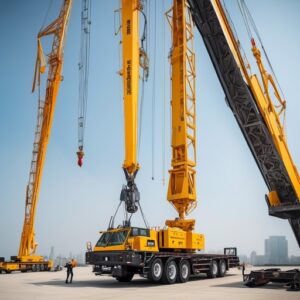
Renting a crane can be a critical decision for various construction projects, offering flexibility and efficiency in lifting heavy materials. Whether you’re involved in residential construction, industrial projects, or even event management, understanding the nuances of crane rental is essential. This guide aims to provide comprehensive tips and insights to help you navigate the process smoothly and make informed decisions.
Assess Your Project Needs
Before renting a crane, assess the specific requirements of your project:
Weight and Size of Loads: Determine the maximum weight and dimensions of materials to be lifted.
Reach and Height Requirements: Consider the vertical and horizontal distances the crane needs to cover.
Site Conditions: Evaluate the terrain, access points, and any obstacles that may affect crane placement.
Choose the Right Type of Crane
Selecting the appropriate crane type depends on the nature of your project:
Mobile Cranes: Versatile and suitable for various terrains.
Tower Cranes: Ideal for tall structures and long-term projects.
Rough Terrain Cranes: Designed for off-road and rugged environments.
Crawler Cranes: Provide stability and heavy lifting capabilities on soft ground.
Verify Licensing and Insurance Requirements
Ensure that the crane rental company and operators have the necessary licenses and certifications:
Operator Certifications: Trained operators with valid licenses.
Insurance Coverage: Liability insurance and coverage for crane operations.
Evaluate Crane Rental Companies
When choosing a crane rental company, consider the following factors:
Experience and Reputation: Look for companies with a proven track record and positive customer reviews.
Equipment Condition: Inspect the cranes to ensure they are well-maintained and in good working condition.
Availability and Flexibility: Check the availability of cranes and scheduling flexibility to meet your project timeline.
Understand Rental Terms and Contracts
Before signing a rental agreement, carefully review the terms and conditions:
Rental Rates: Understand the cost structure, including hourly rates, overtime charges, and additional fees.
Duration and Scheduling: Clarify rental duration, delivery times, and any penalties for delays.
Maintenance and Support: Ensure the rental includes maintenance services and technical support during the rental period.
Plan for Safety and Risk Management
Prioritize safety measures to prevent accidents and ensure compliance with regulations:
Site Preparation: Clear the work area and establish safety zones around the crane.
Safety Equipment: Provide personal protective equipment (PPE) and safety gear for crane operators and personnel.
Emergency Procedures: Have contingency plans and emergency protocols in place for unexpected situations.
Coordinate Logistics and Operations
Effective coordination is crucial for seamless crane operations:
Site Access and Permits: Obtain necessary permits and permissions for crane setup and operation.
Communication Channels: Maintain clear communication between project managers, crane operators, and site personnel.
Logistical Support: Arrange for transportation, fueling, and storage of materials required for crane operation.
Conclusion
Renting a crane requires careful planning and consideration of various factors to ensure efficiency, safety, and cost-effectiveness in your construction projects. By following these tips and guidelines, you can navigate the process of cranes for rent near me with confidence. Remember to prioritize safety, verify credentials, and choose a reputable crane rental company that meets your project’s specific needs. With proper preparation and understanding, renting a crane can significantly contribute to the success of your project, enhancing productivity and minimizing downtime.