When Would a Fort Worth Business Need Commercial Roof Replacement?

commercial roof contractors


A commercial roof is more than just a protective cover for a business property; it’s a critical component that shields valuable assets, maintains energy efficiency, and ensures the safety of employees and customers. For businesses in Fort Worth, the harsh weather conditions—ranging from intense heat to severe storms—can take a toll on roofing systems. Recognizing when a commercial roof needs replacement is crucial for maintaining the integrity of the building and avoiding costly damage. This blog post will delve into the signs that indicate a commercial roof replacement is necessary, the benefits of timely replacement, and why it’s essential for Fort Worth businesses to stay proactive in managing their roofing needs.

Understanding the Lifespan of Commercial Roofs

The lifespan of a commercial roof varies depending on the materials used, the quality of installation, and the maintenance it receives. Common commercial roofing materials include:

Built-Up Roofing (BUR): Typically lasts 15-20 years.

Modified Bitumen Roofing: Has a lifespan of 20-30 years.

EPDM (Ethylene Propylene Diene Monomer) Rubber Roofing: Lasts around 20-25 years.

TPO (Thermoplastic Olefin) Roofing: Has a lifespan of 15-20 years.

Metal Roofing: Can last 40-70 years with proper maintenance.

While these are general estimates, external factors such as Fort Worth’s weather, the roof’s slope, and the building’s structure can significantly influence the actual lifespan. Understanding these timelines helps business owners anticipate when a roof might need to be replaced.

Signs Your Fort Worth Business Needs a Roof Replacement

Several signs indicate that a commercial roof is nearing the end of its life and may require replacement:

Frequent Leaks and Water Damage

One of the most obvious signs that a roof needs replacing is the frequency of leaks. While occasional leaks might be repairable, persistent or widespread leaks indicate that the roofing material is no longer providing adequate protection. Water damage can lead to mold growth, structural issues, and damage to the building’s interior, making roof replacement essential to prevent further deterioration.

Visible Damage and Deterioration

Visible signs of damage, such as cracked or missing shingles, blistering, or sagging areas, are red flags that a roof is compromised. In Fort Worth, where the summer sun can be scorching, roofing materials can deteriorate quickly. If the damage is extensive, repairs may not be sufficient, and replacement might be the only viable solution.

Rising Energy Costs

A commercial roof plays a vital role in a building’s energy efficiency. If you notice a sudden spike in energy costs, it could be due to the roof’s inability to insulate the building properly. Worn-out roofing materials can allow heat to escape during the winter and enter during the summer, forcing your HVAC system to work harder. A roof replacement with modern, energy-efficient materials can significantly reduce energy consumption and costs.

Structural Integrity Concerns

If the roof’s underlying structure is compromised, it’s time to consider a replacement. Signs such as sagging, rot, or the presence of mold and mildew indicate that the roof’s support system is failing. These issues can pose serious safety risks and should be addressed immediately with a full roof replacement.

Age of the Roof

Even if a roof doesn’t show visible signs of damage, its age can be a good indicator of when it needs to be replaced. If your commercial roof is nearing or has exceeded its expected lifespan, proactive replacement can prevent unexpected failures and costly emergency repairs.

The Impact of Fort Worth’s Weather on Commercial Roofs

Fort Worth’s weather patterns can be harsh on commercial roofs. From blistering summers to sudden storms, roofs are constantly exposed to conditions that can accelerate wear and tear.

Intense Heat

Fort Worth experiences extremely high temperatures during the summer months. Prolonged exposure to heat can cause roofing materials to expand and contract, leading to cracks and other forms of deterioration. This thermal cycling is particularly damaging to materials like asphalt and can shorten the roof’s lifespan.

Severe Storms and Hail

Storms are a common occurrence in Fort Worth, bringing heavy rain, strong winds, and hail. These weather events can cause significant damage to commercial roofs, such as punctures, tears, and the displacement of roofing materials. After a severe storm, it’s essential to inspect the roof for damage and consider replacement if repairs aren’t sufficient.

Heavy Rain and Flooding

While Fort Worth isn’t as prone to flooding as some other regions, heavy rains can still lead to water pooling on flat roofs. Poor drainage systems exacerbate this issue, leading to water infiltration and structural damage. If a roof has suffered from repeated water damage, replacement might be necessary to restore the building’s integrity.

The Benefits of Timely Commercial Roof Replacement

Replacing a commercial roof is a significant investment, but the benefits far outweigh the costs, especially when done proactively.

Enhanced Energy Efficiency

Modern roofing materials are designed with energy efficiency in mind. Replacing an old roof with a new, energy-efficient system can reduce energy consumption by improving insulation and reflecting more sunlight. This not only lowers utility bills but also contributes to a greener, more sustainable business operation.

Improved Safety

A compromised roof can be a safety hazard, posing risks such as structural collapse or mold-related health issues. Timely roof replacement eliminates these risks, ensuring a safe environment for employees, customers, and valuable assets.

Increased Property Value

A new roof is a valuable asset that can increase the property’s overall value. Whether you’re planning to sell the property or simply want to maintain its market value, a roof replacement is a wise investment. Potential buyers are more likely to be interested in a building with a new, durable roof, knowing they won’t need to worry about roofing issues for years to come.

Enhanced Aesthetic Appeal

The appearance of a commercial building is crucial for attracting customers and clients. An old, worn-out roof can detract from the building’s aesthetic appeal and create a negative impression. A new roof can give the building a fresh, updated look that enhances its curb appeal and aligns with your brand’s image.

Long-Term Cost Savings

While roof replacement is a considerable upfront expense, it can save money in the long run by reducing the need for frequent repairs and minimizing the risk of catastrophic damage. Additionally, some roofing materials come with extended warranties, providing peace of mind and financial protection for years.

Why Proactive Roof Management is Essential for Fort Worth Businesses

Being proactive about roof management is key to avoiding unexpected problems and ensuring the longevity of your commercial roof.

Regular Inspections and Maintenance

Regular roof inspections and maintenance are vital for identifying issues before they become major problems. In Fort Worth, where weather conditions can be extreme, scheduling biannual inspections—especially after severe storms—can help spot potential damage early. Working with a professional roofing contractor for routine maintenance ensures that small repairs are made promptly, extending the roof’s lifespan.

Planning for Replacement

Waiting until a roof fails completely can lead to costly emergency repairs and potential business disruption. By planning for roof replacement ahead of time, you can budget for the expense and schedule the replacement during a convenient time for your business. This proactive approach minimizes the impact on daily operations and allows for better financial planning.

Choosing the Right Roofing Material

When it’s time to replace your commercial roof, selecting the right material is crucial. Consider factors such as durability, energy efficiency, and maintenance requirements. For Fort Worth businesses, materials like metal or TPO are often ideal due to their resistance to extreme weather conditions and longevity.

Working with Professional Roofing Contractors

Hiring a professional roofing contractor with experience in commercial roof replacement is essential for ensuring a quality job. Professional contractors can assess the specific needs of your building, recommend the best materials, and execute the replacement with precision. They also provide valuable warranties and post-installation support, giving you peace of mind.

Conclusion

For Fort Worth businesses, a commercial roof is more than just a structural necessity; it’s a critical component of the building’s overall functionality and safety. Recognizing when a roof needs to be replaced—whether due to age, visible damage, or the impact of Fort Worth’s weather—can prevent costly repairs, enhance energy efficiency, and maintain the building’s value. By staying proactive with roof management, scheduling regular inspections, and working with experienced roofing professionals, Fort Worth business owners can ensure their commercial properties remain protected and efficient for years to come. Investing in a timely commercial roof replacement Fort Worth is not just about maintaining a building; it’s about safeguarding your business’s future.

How Does an Air Conditioner Heat Pump Work?

California rebates for heat pumps

In today’s world, climate control systems have become essential components of our daily lives, providing comfort and improving indoor air quality. Among these systems, air conditioner heat pumps stand out for their versatility and efficiency. Unlike traditional air conditioning units that only cool spaces, heat pumps can both cool and heat your home. But how exactly do these ingenious devices work? This article will delve into the intricacies of air conditioner heat pumps, explaining their components, working principles, and benefits.

The Basics of Heat Pump Operation

At its core, a heat pump operates on the principle of heat transfer. It moves heat from one place to another, depending on the mode (heating or cooling) it’s set to. The basic components involved in this process include:

Evaporator Coil: Absorbs heat from the surrounding air.

Condenser Coil: Releases heat into the air.

Compressor: Pressurizes the refrigerant, increasing its temperature.

Expansion Valve: Reduces the pressure of the refrigerant, lowering its temperature.

Cooling Mode

In cooling mode, the heat pump extracts heat from the indoor air and expels it outside. Here’s a step-by-step breakdown:

Evaporation: The refrigerant in the evaporator coil absorbs heat from the indoor air, causing it to evaporate.

Compression: The gaseous refrigerant is then compressed by the compressor, which increases its temperature.

Condensation: The hot, pressurized refrigerant passes through the condenser coil, releasing its heat to the outside air and condensing back into a liquid.

Expansion: The liquid refrigerant then flows through the expansion valve, where its pressure is reduced, causing it to cool further before returning to the evaporator coil to repeat the cycle.

Heating Mode

In heating mode, the heat pump reverses its cycle to extract heat from the outdoor air (even in cold weather) and transfer it inside:

Evaporation: The refrigerant absorbs heat from the outside air through the evaporator coil.

Compression: The refrigerant is compressed, increasing its temperature.

Condensation: The hot refrigerant releases heat into the indoor air through the condenser coil, warming the space.

Expansion: The refrigerant pressure is reduced, cooling it down before it returns to the evaporator coil to absorb more heat.

Key Components and Their Functions

Evaporator Coil

The evaporator coil is crucial for absorbing heat from the surrounding air. It consists of a network of tubes filled with refrigerant. When the refrigerant evaporates, it absorbs heat, which is then transferred away by the compressor.

Condenser Coil

The condenser coil’s role is to release heat absorbed by the refrigerant. Located outside in cooling mode and inside in heating mode, it works by condensing the refrigerant from a gas back into a liquid, releasing the absorbed heat in the process.

Compressor

The compressor is the heart of the heat pump system. It pressurizes the refrigerant, increasing its temperature and enabling the transfer of heat. The compressor’s efficiency is vital for the overall performance of the heat pump.

Expansion Valve

The expansion valve controls the flow of refrigerant into the evaporator coil. By reducing the pressure of the refrigerant, it allows it to expand and cool before it re-enters the evaporator coil, ready to absorb heat again.

Types of Heat Pumps

Heat pumps come in various types, each suited for different applications and climates.

Air-Source Heat Pumps

Air-source heat pumps are the most common type. They extract heat from the outdoor air and are generally efficient for moderate climates. Innovations in technology have made modern air-source heat pumps capable of performing well even in colder temperatures.

Ground-Source (Geothermal) Heat Pumps

Ground-source heat pumps use the earth’s stable temperature to extract or dissipate heat. They are highly efficient and can work in any climate, but they require significant installation effort and cost due to the need for underground piping.

Water-Source Heat Pumps

Water-source heat pumps operate similarly to ground-source systems but use a body of water (like a lake, river, or well) as the heat exchange medium. They are highly efficient but, like geothermal systems, require specific site conditions and installation considerations.

Benefits of Using Heat Pumps

Heat pumps offer several advantages over traditional heating and cooling systems.

Energy Efficiency

Heat pumps are highly efficient because they move heat rather than generate it. This can lead to significant energy savings, especially in regions with moderate climates.

Environmental Impact

By reducing reliance on fossil fuels for heating, heat pumps contribute to lower greenhouse gas emissions. Many heat pumps can also be powered by renewable energy sources, further reducing their environmental footprint.

Versatility

Heat pumps provide both heating and cooling, making them versatile solutions for year-round comfort. This eliminates the need for separate systems for each function, saving space and installation costs.

Cost Savings

Though the initial installation cost of heat pumps can be higher than traditional systems, the long-term savings on energy bills can offset this initial expense. Additionally, many regions offer incentives and rebates for heat pump installation due to their environmental benefits.

Improved Indoor Air Quality

Heat pumps can also improve indoor air quality. Many systems include filters that remove dust, pollen, and other particles from the air, creating a healthier indoor environment.

Challenges and Considerations

While heat pumps offer numerous benefits, there are some challenges and considerations to keep in mind.

Initial Cost

The initial cost of installing a heat pump can be higher than traditional HVAC systems. However, the long-term energy savings and potential incentives can make this investment worthwhile.

Climate Suitability

In extremely cold climates, heat pumps may require a backup heating system to maintain indoor comfort. Modern advancements have improved cold-weather performance, but this is still a consideration for areas with severe winters.

Maintenance

Heat pumps require regular maintenance to ensure optimal performance. This includes cleaning filters, checking refrigerant levels, and servicing the compressor and coils. Regular maintenance can prolong the life of the system and maintain its efficiency.

Conclusion

An air conditioner heat pump is a remarkable device that offer efficient, versatile climate control solutions for homes and businesses. By understanding how they work and the benefits they provide, you can make an informed decision about whether a heat pump is the right choice for your needs. With advancements in technology and increasing emphasis on energy efficiency and environmental sustainability, heat pumps are likely to play a significant role in the future of HVAC systems. Investing in a heat pump not only enhances your comfort but also contributes to a greener planet.

How to Find a Good Audio Store: Your Ultimate Guide

stereo stores near me

In a world where music and sound quality matter more than ever, finding a reliable audio store can make all the difference. Whether you’re a casual listener looking for better headphones or a dedicated audiophile in search of high-fidelity equipment, knowing how to identify a good audio store is crucial. This guide will walk you through the essential steps and considerations to ensure you find the perfect audio haven.

Define Your Needs and Budget

Understand what you’re looking for: headphones, speakers, amplifiers, turntables, or a complete home audio system.

Determine your budget range. Good audio stores cater to various price points, so knowing yours helps narrow down options.

Research and Recommendations

Seek recommendations from friends, online forums, and social media groups dedicated to audio enthusiasts.

Read reviews on websites like Yelp, Google Reviews, and specialized audio forums to gauge customer satisfaction and expertise.

Visit Local Audio Stores

Check out local stores in your area. Physical visits allow you to experience the equipment firsthand.

Assess the store’s ambiance, organization, and overall cleanliness. A well-maintained store often reflects professionalism and attention to detail.

Evaluate Product Selection

A good audio store offers a wide range of products from reputable brands.

Look for stores that carry both mainstream and niche brands, ensuring diversity in product offerings and price points.

Expertise and Customer Service

Knowledgeable staff are key. They should be able to answer technical questions and provide advice based on your preferences and budget.

Assess customer service quality through interactions with staff. Friendly, attentive service enhances your shopping experience.

Demo and Testing Facilities

A reputable audio store provides opportunities to demo equipment. This includes headphones, speakers, and other audio components.

Testing rooms or dedicated demo areas with proper acoustics allow you to hear the difference in sound quality.

Warranty and Return Policies

Check the store’s warranty policies on products. A good store stands behind the products they sell with solid warranty coverage.

Understand their return policies. A flexible return policy ensures peace of mind, especially when investing in higher-end audio equipment.

Additional Services and Support

Some stores offer installation services, calibration, and ongoing support post-purchase.

Evaluate these additional services if they are important to you, especially for complex setups or custom installations.

Online Options and E-commerce

Consider stores with robust online presence and e-commerce capabilities.

Online reviews and testimonials can supplement your research, especially if visiting a physical store isn’t feasible.

Community and Events

Look for stores that engage with the audio community through workshops, seminars, or product launch events.

Being part of a vibrant audio community enhances your overall experience and provides opportunities to learn and connect with fellow enthusiasts.

Conclusion

Finding a good audio store near me involves careful consideration of your needs, thorough research, and firsthand experience. Whether you prioritize expert advice, product selection, or customer service, the right store enhances your audio journey. By following these steps and guidelines, you can confidently navigate the world of audio retail and find a store that meets your expectations. Remember, a good audio store is more than just a place to buy equipment—it’s a gateway to better sound experiences and lasting enjoyment.

The Importance of Mobility Training in Sun City Center, FL

personal trainer for elderly

Sun City Center, FL, is a vibrant community known for its active lifestyle and abundant recreational opportunities. As residents of this beautiful locale, many individuals strive to maintain their health and fitness well into their senior years. One crucial aspect of fitness that often goes overlooked is mobility training. While cardiovascular exercise, strength training, and flexibility exercises are widely recognized, mobility training plays an essential role in overall health and well-being. In this article, we will delve into the importance of mobility training in Sun City Center, FL, exploring its benefits, various techniques, and why it should be a key component of everyone’s fitness regimen.

The Concept of Mobility Training

Mobility training refers to exercises and routines designed to improve the range of motion of the joints, enhance muscle flexibility, and promote overall movement efficiency. Unlike flexibility training, which focuses on stretching muscles to improve their length, mobility training targets the ability of the joints to move freely and without discomfort. This type of training incorporates elements of flexibility, strength, and neuromuscular control to ensure that the body moves optimally and safely.

Differentiating Mobility from Flexibility

Understanding the distinction between mobility and flexibility is crucial for recognizing the unique benefits of each. Flexibility refers to the ability of muscles to lengthen, while mobility is about the ability of joints to move through their full range of motion. For instance, you might have flexible hamstrings but limited hip mobility. Mobility training ensures that all joints and muscles work together harmoniously, preventing compensatory movements that can lead to injury.

Benefits of Mobility Training

Enhanced Joint Health

One of the most significant benefits of mobility training is improved joint health. As we age, joints can become stiff and less mobile, leading to discomfort and reduced functionality. Regular mobility exercises help maintain joint lubrication, reduce stiffness, and enhance overall joint health, allowing individuals to move more freely and comfortably.

Injury Prevention

Mobility training is essential for injury prevention. Limited joint mobility can cause compensatory movements, where other parts of the body overcompensate for the restricted area, leading to strain and injury. By improving mobility, the body can move in a more balanced and efficient manner, reducing the risk of injuries, especially during physical activities and exercise.

Improved Posture and Alignment

Poor posture and misalignment are common issues that can lead to chronic pain and discomfort. Mobility training addresses these problems by promoting proper joint alignment and muscle balance. Exercises that focus on hip mobility, thoracic spine mobility, and shoulder mobility can significantly improve posture and reduce the risk of developing musculoskeletal issues.

Enhanced Athletic Performance

For those engaged in sports or physical activities, mobility training is a game-changer. Improved joint mobility enhances overall athletic performance by allowing greater freedom of movement, better agility, and increased power output. Whether you are a golfer, tennis player, or simply enjoy walking and hiking, mobility training can elevate your performance and enjoyment of these activities.

Pain Relief

Chronic pain, especially in the back, hips, and shoulders, often stems from poor mobility. Tight muscles and restricted joints can lead to pain and discomfort. Mobility training helps alleviate these issues by promoting proper movement patterns and reducing muscle imbalances, leading to pain relief and improved quality of life.

Better Daily Functionality

Mobility training isn’t just for athletes; it benefits everyone in their daily lives. Simple activities like bending, reaching, and walking become easier and more comfortable with improved mobility. This is especially important for older adults who want to maintain their independence and continue enjoying their favorite activities without limitations.

Mobility Training Techniques and Exercises

Dynamic Stretching

Dynamic stretching involves moving parts of your body and gradually increasing reach, speed, or both. Unlike static stretching, dynamic stretching uses controlled movements to improve range of motion, loosen up muscles, and increase heart rate, body temperature, and blood flow to help you move more efficiently.

Foam Rolling

Foam rolling, or self-myofascial release, is a technique that helps release muscle tightness and improve mobility. By applying pressure to specific points on the body, foam rolling helps release trigger points or knots in the muscles, enhancing flexibility and joint range of motion.

Joint Mobilizations

Joint mobilizations are exercises specifically designed to improve the movement of joints. These exercises often involve gentle, repetitive movements that encourage the joints to move through their full range of motion. For example, hip circles, shoulder circles, and ankle rotations are common joint mobilization exercises.

Mobility Drills

Mobility drills are dynamic exercises that focus on improving movement patterns and joint range of motion. Examples include hip hinges, deep squats, and shoulder dislocates. These drills help enhance functional mobility, making daily movements easier and more efficient.

Yoga and Pilates

Yoga and Pilates are excellent practices for improving mobility. Both disciplines incorporate a range of movements that enhance flexibility, strength, and joint mobility. Poses and exercises in yoga and Pilates often involve stretching and strengthening muscles around the joints, promoting overall mobility.

Functional Movement Training

Functional movement training focuses on exercises that mimic daily activities and movements. These exercises enhance overall mobility by training the body to move more efficiently and effectively. Examples include lunges, squats, and reaching exercises.

Mobility Training in Sun City Center, FL

Local Facilities and Trainers

Sun City Center, FL, is home to numerous fitness centers, gyms, and wellness studios that offer mobility training programs. These facilities often have experienced trainers who can guide individuals through customized mobility routines based on their specific needs and goals. Some popular options include:

South Bay Fitness Center: Known for its comprehensive fitness programs, South Bay Fitness Center offers specialized mobility training sessions to improve joint health and overall movement efficiency.

Sun City Center Community Association Fitness Center: This community center provides a range of fitness classes, including mobility training, to help residents maintain their health and wellness.

Local Yoga Studios: Several yoga studios in Sun City Center offer classes focused on improving flexibility and mobility. Yoga poses and sequences are excellent for enhancing joint range of motion and promoting overall body mobility.

Group Classes and Workshops

Group classes and workshops are great ways to engage in mobility training while enjoying the camaraderie of fellow fitness enthusiasts. Many fitness centers and community centers in Sun City Center offer group classes that focus on mobility exercises, dynamic stretching, and functional movement training. Participating in these classes can provide motivation, support, and a sense of community.

Personal Training

For those seeking personalized attention and tailored mobility programs, hiring a personal trainer can be highly beneficial. Personal trainers in Sun City Center are equipped with the knowledge and expertise to design mobility routines that address individual needs and goals. Whether you are recovering from an injury, looking to enhance athletic performance, or simply want to improve your daily functionality, a personal trainer can provide the guidance and support needed to achieve optimal results.

Online Resources

In addition to local facilities and trainers, there are numerous online resources available for mobility training. Websites, apps, and video platforms offer a wealth of information, tutorials, and guided workouts that can be done from the comfort of your home. These resources provide flexibility and convenience, allowing you to incorporate mobility training into your routine at your own pace.

Conclusion

Mobility training near me Sun City Center is a vital component of a well-rounded fitness regimen, offering numerous benefits for individuals of all ages and activity levels. In Sun City Center, FL, where an active and healthy lifestyle is a priority, incorporating mobility exercises into your routine can significantly enhance joint health, prevent injuries, improve posture, and elevate overall athletic performance. Whether you choose to join a local fitness center, participate in group classes, work with a personal trainer, or explore online resources, prioritizing mobility training will contribute to a healthier, more active, and fulfilling life. Embrace the importance of mobility training and experience the transformative effects it can have on your body and well-being.

How to Start a Lab Pack Services Business in Harrisburg, PA

lab packs

Starting a lab pack services business in Harrisburg, PA, offers a unique opportunity to enter a niche yet essential industry. Lab pack services involve the safe and compliant packaging, transportation, and disposal of hazardous and non-hazardous laboratory chemicals and waste. With increasing regulatory requirements and the growing emphasis on environmental responsibility, businesses, educational institutions, and research facilities require reliable lab pack services to manage their chemical waste. This comprehensive guide will take you through the steps of establishing a successful lab pack services business in Harrisburg, PA, from understanding the market and regulatory requirements to setting up operations and marketing your services.

Understanding the Market and Opportunity

Market Research

Conduct thorough market research to understand the demand for lab pack services in Harrisburg. Identify potential clients such as universities, research institutions, hospitals, industrial facilities, and private laboratories. Assess the competition by researching existing lab pack service providers in the region, their service offerings, pricing, and market share. Analyze gaps in the market where your business could offer unique value propositions.

Identifying Target Clients

Focus on building relationships with entities that frequently generate laboratory waste. These include educational institutions, medical facilities, pharmaceutical companies, and manufacturing plants. Developing a clear profile of your target clients will help tailor your services to meet their specific needs and requirements.

Navigating Regulatory Requirements

Local, State, and Federal Regulations

Compliance with regulations is paramount in the lab pack services industry. Familiarize yourself with local, state, and federal regulations governing the handling, transportation, and disposal of hazardous waste. Key regulatory bodies include the Pennsylvania Department of Environmental Protection (PA DEP) and the Environmental Protection Agency (EPA). Understanding these regulations will ensure your business operates legally and avoids hefty fines.

Licensing and Permits

Acquire the necessary licenses and permits to operate a lab pack services business in Harrisburg. This may include a hazardous waste transporter permit, a hazardous waste disposal permit, and any other relevant certifications. It is advisable to consult with a legal expert or regulatory consultant to ensure you meet all the requirements.

Setting Up Your Lab Pack Services Business

Business Plan

Develop a comprehensive business plan that outlines your business objectives, target market, services offered, pricing strategy, and financial projections. A well-structured business plan will serve as a roadmap for your business and be essential when seeking funding from investors or financial institutions.

Company Structure and Staffing

Choose an appropriate legal structure for your business, such as a sole proprietorship, partnership, LLC, or corporation. Each structure has different implications for liability, taxes, and management. Hire qualified staff with experience in hazardous waste management, including chemists, hazardous material handlers, and compliance officers. Investing in training programs will ensure your team is knowledgeable about safety protocols and regulatory compliance.

Equipment and Supplies

Invest in high-quality equipment and supplies essential for lab pack services. This includes:

  • Personal protective equipment (PPE) for staff safety.
  • Lab packing containers and materials.
  • Hazardous material transportation vehicles.
  • Labeling and documentation tools for regulatory compliance.
  • Emergency spill response kits.

Facility and Location

Choose a suitable location for your business operations. The facility should have adequate space for storing hazardous waste temporarily, office space for administrative work, and areas designated for equipment storage and maintenance. Ensure the facility meets all safety and environmental regulations.

Developing Your Service Offerings

Comprehensive Lab Pack Services

Offer a range of services to meet the diverse needs of your clients, including:

  • On-site inventory and identification of chemicals.
  • Safe packaging of hazardous and non-hazardous chemicals.
  • Transportation and disposal of lab waste.
  • Emergency spill response services.
  • Compliance consulting and regulatory support.

Value-Added Services

Differentiate your business by providing value-added services such as training programs for clients on hazardous waste management, customized waste management plans, and regular compliance audits. These services can position your business as a trusted advisor in hazardous waste management.

Marketing and Growing Your Business

Branding and Online Presence

Create a strong brand identity with a professional logo, website, and marketing materials. Your website should provide detailed information about your services, regulatory compliance, and contact information. Invest in search engine optimization (SEO) to ensure your business ranks high in online searches related to lab pack services in Harrisburg.

Networking and Partnerships

Build relationships with industry stakeholders through networking events, industry conferences, and local business associations. Partner with environmental consultants, waste management companies, and regulatory bodies to expand your reach and credibility in the industry.

Client Outreach and Education

Develop a targeted marketing strategy to reach potential clients. Use a combination of direct mail campaigns, email marketing, and social media to promote your services. Educate potential clients on the importance of proper hazardous waste management and the benefits of partnering with a professional lab pack services provider.

Customer Service and Retention

Deliver exceptional customer service to build long-term relationships with your clients. Regularly seek feedback to improve your services and address any concerns promptly. Offering loyalty programs or discounts for repeat clients can help retain customers and generate referrals.

Financial Management and Funding

Initial Investment and Funding Options

Estimate the initial investment required to start your lab pack services business, including costs for licensing, equipment, facility setup, staffing, and marketing. Explore funding options such as small business loans, grants, or private investors to secure the necessary capital.

Pricing Strategy

Develop a competitive pricing strategy that reflects the value of your services while ensuring profitability. Consider offering bundled services or volume discounts to attract larger clients.

Financial Monitoring and Growth

Implement robust financial management practices to monitor cash flow, expenses, and profitability. Use accounting software to keep accurate records and generate financial reports. Regularly review your financial performance and adjust your business strategy as needed to ensure sustainable growth.

Conclusion

Starting a lab pack Harrisburg services business is a promising venture that addresses a critical need in hazardous waste management. By conducting thorough market research, navigating regulatory requirements, setting up efficient operations, and implementing a strategic marketing plan, you can establish a successful and sustainable business. Focus on delivering high-quality services, building strong client relationships, and maintaining strict compliance with regulations to position your lab pack services business as a trusted leader in the industry. With dedication and careful planning, you can contribute to a safer and more environmentally responsible community while achieving your entrepreneurial goals.

When Would You Need a Consulting Arborist? Understanding Their Role and Importance

consultant arborist

Trees are not only essential for the environment but also add significant value to properties. Whether you’re a homeowner, developer, municipality, or business owner, maintaining the health and safety of trees requires expertise beyond basic gardening. This is where Consulting Arborists come into play. In this article, we explore the crucial role of Consulting Arborists, why and when you might need their services, and the benefits they bring to tree management and preservation.

Understanding Consulting Arborists

Consulting Arborists are certified professionals with specialized knowledge in tree care, management, and preservation. They provide expert advice and assessment regarding the health, condition, and safety of trees in various contexts.

Residential Needs

Tree Health Assessments: Before purchasing a property or to maintain existing trees, Consulting Arborists can assess the health of trees, identifying diseases, pests, and structural issues.

Tree Preservation Plans: When planning construction or landscaping projects, Consulting Arborists develop strategies to protect existing trees and ensure their long-term health.

Commercial and Municipal Applications

Urban Planning: Cities and municipalities consult Arborists to manage and plan urban forests, ensuring sustainable growth and maintenance of trees in urban environments.

Risk Assessment: Arborists assess trees near public areas, roads, and buildings to mitigate risks of falling branches or unstable trees.

Development Projects

Construction Impact Assessments: Consulting Arborists evaluate how construction activities can affect nearby trees, offering solutions to minimize damage and preserve trees of value.

Permitting Support: They assist developers in obtaining permits by providing detailed reports on tree health and preservation plans.

Emergency Response

Storm Damage: After severe weather events, Consulting Arborists assess tree damage, prioritize removals, and recommend restoration strategies.

Tree Failure Investigations: They investigate tree failures to determine causes and prevent future incidents, crucial for public safety.

Expert Witness and Legal Support

Litigation Cases: Arborists provide expert testimony in legal disputes involving trees, such as boundary disputes, tree damage claims, or construction-related conflicts.

Insurance Claims: They assess tree damage for insurance claims, providing detailed reports and estimates for replacement or restoration costs.

Environmental Conservation

Ecological Assessments: Arborists evaluate trees in natural habitats, assessing biodiversity and ecosystem health.

Tree Conservation Planning: They develop plans for conserving rare or endangered tree species, ensuring their survival and propagation.

Conclusion

A Consulting Arborist near me can play a pivotal role in tree management across various sectors, offering expertise that goes beyond basic tree care. Whether you’re a homeowner needing to preserve a cherished tree, a developer navigating construction regulations, or a municipality planning urban green spaces, Consulting Arborists provide essential services to ensure the health, safety, and longevity of trees. Their expertise not only enhances property values and environmental sustainability but also contributes to safer and more resilient communities.

Next time you face tree-related challenges, consider consulting a certified Arborist to benefit from their knowledge and ensure the best outcomes for your trees and surroundings.

The History and Significance of Ready Mix Concrete

concrete distributor near me

Concrete is a fundamental material in the construction industry, providing the backbone for countless structures around the world. Among the various forms of concrete, Ready Mix Concrete (RMC) stands out as a revolutionary development that has significantly impacted the efficiency, quality, and scope of construction projects. This blog post delves into the history of Ready Mix Concrete, its development over the years, and its immense significance in modern construction.

The Birth of Concrete and Early Innovations

Ancient Beginnings

Concrete, in various forms, has been used for thousands of years. The earliest known concrete-like structures date back to ancient Egypt and Mesopotamia. The Egyptians used a mixture of mud and straw to bind dried bricks, while the Romans refined the concept by creating a material remarkably similar to modern concrete. Roman concrete, or opus caementicium, incorporated volcanic ash, lime, and seawater, allowing them to build enduring structures like the Pantheon and the aqueducts.

The Evolution of Concrete

After the fall of the Roman Empire, the use of concrete declined and was largely forgotten until its rediscovery in the 18th century. The Industrial Revolution catalyzed advancements in construction materials and methods, leading to a resurgence of interest in concrete. By the 19th century, Portland cement, the key ingredient in modern concrete, was developed by Joseph Aspdin and later improved by his son, William Aspdin.

The Emergence of Ready Mix Concrete

Early Attempts and Challenges

The concept of Ready Mix Concrete dates back to the early 20th century. Before its development, concrete was typically mixed on-site, which often led to inconsistencies in quality and efficiency. The first patent for Ready Mix Concrete was issued in Germany in 1903, but it wasn’t until the 1920s that the concept began to gain traction in the United States and other parts of the world.

Early attempts to produce Ready Mix Concrete faced several challenges, including transportation logistics and the limited availability of reliable mixing equipment. Concrete has a relatively short workable life, so delivering it to construction sites in a ready-to-use state was a significant hurdle.

Advancements in Mixing and Transportation

The 1930s saw the introduction of transit mixers, which revolutionized the Ready Mix Concrete industry. These specialized trucks featured rotating drums that kept the concrete agitated during transport, preventing it from setting prematurely. This innovation allowed for the production and delivery of concrete over greater distances, making Ready Mix Concrete a practical solution for a wide range of construction projects.

The Rise of Ready Mix Concrete in the 20th Century

Post-War Boom and Industrialization

The end of World War II marked a period of rapid industrialization and urbanization across the globe. The demand for new infrastructure, housing, and commercial buildings surged, driving the need for efficient construction methods. Ready Mix Concrete emerged as a crucial component in meeting this demand, providing a consistent and high-quality material that could be quickly and efficiently delivered to construction sites.

Technological Innovations

Throughout the latter half of the 20th century, technological advancements continued to shape the Ready Mix Concrete industry. Improvements in mixing equipment, materials science, and transportation logistics enhanced the quality and versatility of RMC. Admixtures, such as superplasticizers and retarders, were developed to modify the properties of concrete, extending its workable life and improving its performance under various conditions.

Standardization and Quality Control

The establishment of industry standards and quality control measures played a vital role in the widespread adoption of Ready Mix Concrete. Organizations such as the American Concrete Institute (ACI) and the British Standards Institution (BSI) set guidelines for the production, testing, and use of concrete, ensuring that Ready Mix Concrete met rigorous quality and performance criteria. This standardization helped build trust in the material and facilitated its use in critical infrastructure projects.

The Significance of Ready Mix Concrete in Modern Construction

Efficiency and Convenience

One of the primary advantages of Ready Mix Concrete is its efficiency. By eliminating the need to mix concrete on-site, RMC significantly reduces the time and labor required for construction projects. This efficiency translates into cost savings and allows for faster project completion, which is particularly important for large-scale developments and time-sensitive projects.

Consistency and Quality

Ready Mix Concrete is produced in controlled environments using precise measurements and quality control procedures. This ensures a consistent and high-quality product that meets specific performance requirements. The consistency of RMC reduces the risk of structural failures and enhances the durability and longevity of the built environment.

Sustainability and Environmental Benefits

The construction industry is increasingly focused on sustainability and reducing its environmental impact. Ready Mix Concrete contributes to these goals in several ways:

Reduced Waste: Because RMC is produced to order and delivered in precise quantities, there is less material waste compared to on-site mixing.

Energy Efficiency: Modern production plants for Ready Mix Concrete are designed to minimize energy consumption and emissions, contributing to a lower carbon footprint.

Recycling and Reuse: The use of recycled materials in RMC, such as fly ash and slag, reduces the need for virgin materials and helps divert waste from landfills.

Versatility and Customization

Ready Mix Concrete can be tailored to meet the specific needs of a project. Various formulations and admixtures allow for customization of properties such as strength, workability, and durability. This versatility makes RMC suitable for a wide range of applications, from residential foundations to high-rise buildings and infrastructure projects.

Safety and Health Benefits

The use of Ready Mix Concrete enhances safety on construction sites. On-site concrete mixing can expose workers to dust, noise, and heavy lifting, which are minimized when using RMC. Additionally, the consistent quality of Ready Mix Concrete reduces the risk of structural failures, contributing to overall project safety.

The Future of Ready Mix Concrete

Innovations and Trends

The Ready Mix Concrete industry continues to evolve, driven by technological advancements and changing market demands. Key trends shaping the future of RMC include:

Digitalization and Automation: The integration of digital technologies, such as IoT and AI, is enhancing the efficiency and accuracy of RMC production and delivery. Automated batching systems and real-time monitoring improve quality control and optimize resource use.

Sustainable Materials: The development of new sustainable materials, such as carbon capture concrete and alternative cementitious materials, is reducing the environmental impact of RMC. These innovations are contributing to greener construction practices.

High-Performance Concrete: Advances in materials science are leading to the creation of high-performance concretes with superior strength, durability, and performance characteristics. These materials are expanding the possibilities for innovative architectural and engineering designs.

Challenges and Opportunities

While Ready Mix Concrete offers numerous benefits, the industry also faces challenges that need to be addressed to ensure its continued growth and relevance:

Supply Chain Management: The production and delivery of RMC rely on efficient supply chain management. Disruptions in the supply of raw materials or transportation logistics can impact the availability and cost of Ready Mix Concrete.

Skilled Workforce: The industry requires a skilled workforce to operate and maintain advanced mixing equipment, manage quality control, and oversee delivery logistics. Investing in workforce training and development is essential for sustaining the industry’s growth.

Regulatory Compliance: Adhering to environmental regulations and industry standards is crucial for maintaining the quality and sustainability of Ready Mix Concrete. Ongoing efforts to meet and exceed regulatory requirements will help build trust and support the industry’s long-term viability.

Conclusion

Ready Mix near me Concrete has transformed the construction industry, offering unparalleled efficiency, consistency, and versatility. From its early beginnings to its current role as a cornerstone of modern construction, RMC has demonstrated its value in countless projects worldwide. As the industry continues to innovate and adapt to new challenges, Ready Mix Concrete will remain a vital material, shaping the built environment and contributing to the advancement of sustainable construction practices. The history and significance of Ready Mix Concrete underscore its enduring impact and promise for the future, making it an indispensable component of our infrastructure and architectural landscape.

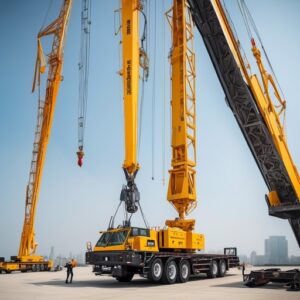
Tips on Renting a Crane: Everything You Need to Know

rent crane near me

Renting a crane can be a critical decision for various construction projects, offering flexibility and efficiency in lifting heavy materials. Whether you’re involved in residential construction, industrial projects, or even event management, understanding the nuances of crane rental is essential. This guide aims to provide comprehensive tips and insights to help you navigate the process smoothly and make informed decisions.

Assess Your Project Needs

Before renting a crane, assess the specific requirements of your project:

Weight and Size of Loads: Determine the maximum weight and dimensions of materials to be lifted.

Reach and Height Requirements: Consider the vertical and horizontal distances the crane needs to cover.

Site Conditions: Evaluate the terrain, access points, and any obstacles that may affect crane placement.

Choose the Right Type of Crane

Selecting the appropriate crane type depends on the nature of your project:

Mobile Cranes: Versatile and suitable for various terrains.

Tower Cranes: Ideal for tall structures and long-term projects.

Rough Terrain Cranes: Designed for off-road and rugged environments.

Crawler Cranes: Provide stability and heavy lifting capabilities on soft ground.

Verify Licensing and Insurance Requirements

Ensure that the crane rental company and operators have the necessary licenses and certifications:

Operator Certifications: Trained operators with valid licenses.

Insurance Coverage: Liability insurance and coverage for crane operations.

Evaluate Crane Rental Companies

When choosing a crane rental company, consider the following factors:

Experience and Reputation: Look for companies with a proven track record and positive customer reviews.

Equipment Condition: Inspect the cranes to ensure they are well-maintained and in good working condition.

Availability and Flexibility: Check the availability of cranes and scheduling flexibility to meet your project timeline.

Understand Rental Terms and Contracts

Before signing a rental agreement, carefully review the terms and conditions:

Rental Rates: Understand the cost structure, including hourly rates, overtime charges, and additional fees.

Duration and Scheduling: Clarify rental duration, delivery times, and any penalties for delays.

Maintenance and Support: Ensure the rental includes maintenance services and technical support during the rental period.

Plan for Safety and Risk Management

Prioritize safety measures to prevent accidents and ensure compliance with regulations:

Site Preparation: Clear the work area and establish safety zones around the crane.

Safety Equipment: Provide personal protective equipment (PPE) and safety gear for crane operators and personnel.

Emergency Procedures: Have contingency plans and emergency protocols in place for unexpected situations.

Coordinate Logistics and Operations

Effective coordination is crucial for seamless crane operations:

Site Access and Permits: Obtain necessary permits and permissions for crane setup and operation.

Communication Channels: Maintain clear communication between project managers, crane operators, and site personnel.

Logistical Support: Arrange for transportation, fueling, and storage of materials required for crane operation.

Conclusion

Renting a crane requires careful planning and consideration of various factors to ensure efficiency, safety, and cost-effectiveness in your construction projects. By following these tips and guidelines, you can navigate the process of cranes for rent near me with confidence. Remember to prioritize safety, verify credentials, and choose a reputable crane rental company that meets your project’s specific needs. With proper preparation and understanding, renting a crane can significantly contribute to the success of your project, enhancing productivity and minimizing downtime.

The History of Standing Seam Metal Siding

stainless sheet metal fabrication

Standing seam metal siding has become a hallmark of modern architecture, prized for its sleek appearance, durability, and energy efficiency. This form of metal cladding, which features raised seams or vertical legs, offers both aesthetic appeal and practical benefits. However, standing seam metal siding has a rich history that extends far beyond contemporary design trends. Its evolution is a fascinating journey through technological advancements, architectural movements, and changing material preferences. This blog post explores the history of standing seam metal siding, tracing its origins, development, and current status in the construction industry.

Origins and Early Uses

The roots of standing seam metal siding can be traced back to ancient times when metalworking techniques were first developed. Early civilizations, such as the Egyptians, Greeks, and Romans, used metal for roofing and siding in limited applications. These early uses of metal were primarily functional, providing protection from the elements. However, they also demonstrated the material’s potential for durability and longevity.

The medieval period saw the further advancement of metalworking techniques, with copper and lead being commonly used for roofing on prominent buildings such as churches and castles. These materials were valued for their malleability and resistance to corrosion. The use of metal in this era was still relatively limited to high-status buildings due to the high cost and labor-intensive production processes.

Industrial Revolution and the Birth of Modern Metal Siding

The Industrial Revolution marked a significant turning point in the history of metal siding. The development of new manufacturing processes and the mass production of iron and steel made metal more accessible and affordable. This period saw the introduction of corrugated iron, which became popular for both roofing and siding due to its strength, lightweight, and ease of installation.

Standing seam metal roofing began to gain popularity in the 19th century, particularly in Europe. The technique involved joining metal panels with raised seams, which were then folded over to create a watertight seal. This method provided superior protection against leaks and was especially well-suited for steeply pitched roofs. The durability and low maintenance requirements of standing seam metal roofing made it an attractive option for a variety of buildings, from industrial structures to residential homes.

Expansion in North America

Standing seam metal siding made its way to North America in the late 19th and early 20th centuries. Initially, it was primarily used for roofing, but its advantages soon led to its adoption as a siding material as well. The adaptability of metal allowed architects and builders to create sleek, modern designs that stood out from traditional wood or brick facades.

The early 20th century saw significant advancements in the production of galvanized steel, which further boosted the popularity of metal siding. Galvanization involved coating steel with a layer of zinc to prevent rusting, thereby extending the lifespan of the material. This innovation made standing seam metal siding even more appealing for use in a variety of climates and environments.

Mid-20th Century Modernism and the Rise of Metal Siding

The mid-20th century was a period of architectural experimentation and innovation. Modernist architects such as Ludwig Mies van der Rohe and Walter Gropius embraced new materials and construction techniques, including the use of metal siding. The clean lines and industrial aesthetic of standing seam metal siding perfectly aligned with the principles of modernism, which emphasized simplicity, functionality, and the elimination of ornamentation.

During this time, metal siding began to be used not only for commercial and industrial buildings but also for residential projects. The development of aluminum as a siding material provided additional benefits, including resistance to corrosion, a lightweight profile, and ease of installation. Aluminum standing seam siding became a popular choice for modern homes, contributing to the sleek, minimalist look that defined mid-century architecture.

Late 20th Century and Technological Advancements

The latter half of the 20th century saw continued innovation in the field of metal siding. Advances in coating technologies allowed for a wider range of colors and finishes, making metal siding more versatile and aesthetically pleasing. Polyester and fluoropolymer coatings, such as Kynar 500, provided enhanced durability and color retention, further cementing metal siding’s reputation as a low-maintenance and long-lasting option.

The introduction of steel and aluminum alloys with improved strength and resistance to environmental factors also contributed to the growing popularity of standing seam metal siding. These materials could withstand harsh weather conditions, including heavy snow, high winds, and intense UV exposure, making them ideal for a variety of geographic regions.

21st Century: Sustainability and Energy Efficiency

In the 21st century, standing seam metal siding has continued to evolve, driven by increasing awareness of sustainability and energy efficiency. Metal siding is highly recyclable, with many manufacturers using recycled content in their products. This reduces the environmental impact of production and supports the principles of a circular economy.

Standing seam metal siding also contributes to energy efficiency through its reflective properties. Metal panels coated with reflective pigments can reduce heat absorption, helping to keep buildings cooler in hot climates. This can lead to significant energy savings by reducing the need for air conditioning. Additionally, metal siding is compatible with insulation systems that improve the overall thermal performance of buildings.

Architectural Trends and Modern Applications

Today, standing seam metal siding is a prominent feature in contemporary architecture. Its clean lines and modern aesthetic make it a popular choice for a wide range of building types, from residential homes to commercial and institutional structures. Architects appreciate the versatility of metal siding, which can be used to create bold, eye-catching designs or to complement other materials such as wood, glass, and stone.

The ability to customize standing seam metal siding with various profiles, colors, and finishes allows for a high degree of design flexibility. This has led to its use in innovative projects that push the boundaries of traditional construction. From sleek, minimalist homes to striking commercial buildings, standing seam metal siding continues to be a symbol of modernity and sophistication.

Conclusion

The history of standing seam metal siding is a testament to the enduring appeal and adaptability of metal as a building material. From its early origins in ancient civilizations to its current status as a staple of modern architecture, standing seam metal siding has undergone significant transformations driven by technological advancements and changing design trends. Its durability, energy efficiency, and aesthetic versatility ensure that it will remain a key component of the architectural landscape for years to come.

As we look to the future, standing seam metal siding is poised to play a crucial role in sustainable building practices and innovative design solutions. Whether used for its functional benefits or its sleek, modern appearance, standing seam metal siding represents a perfect blend of tradition and innovation, making it a timeless choice for architects and builders alike.

The Comprehensive Roles of General Labor

general labor near me

In the bustling world of construction, manufacturing, and various other industries, general laborers play a crucial yet often underappreciated role. These hardworking individuals form the backbone of many projects, ensuring that operations run smoothly and efficiently. Despite the seemingly simple nature of the term “general labor,” the responsibilities and skills required for these roles are diverse and multifaceted. This article delves into the comprehensive roles of general labor, highlighting their importance, the variety of tasks they perform, the skills they need, and the impact they have on various industries.

Foundational Work in Construction

General laborers in the construction industry are indispensable. They perform a wide array of tasks that provide the foundation for all other work on a construction site. Their responsibilities include:

Site Preparation: Clearing debris, setting up temporary structures, and ensuring the site is ready for more specialized work.

Material Handling: Transporting materials to and from the site, unloading trucks, and organizing supplies.

Assisting Skilled Trades: Helping carpenters, electricians, and plumbers by providing tools, holding materials in place, and cleaning up after tasks are completed.

Concrete Work: Mixing, pouring, and spreading concrete for foundations, sidewalks, and other structures.

Demolition: Breaking down old structures, removing hazardous materials, and preparing sites for new construction.

Support in Manufacturing

In the manufacturing sector, general laborers contribute to the production process by ensuring that operations remain seamless. Their roles include:

Assembly Line Work: Performing repetitive tasks on assembly lines, such as packaging products, attaching components, and quality control.

Machine Operation: Operating basic machinery, maintaining equipment, and performing minor repairs.

Inventory Management: Keeping track of raw materials and finished products, organizing storage areas, and ensuring inventory levels are adequate.

Shipping and Receiving: Loading and unloading shipments, verifying delivery contents, and maintaining records of incoming and outgoing goods.

Quality Assurance: Inspecting products for defects, ensuring compliance with standards, and reporting any issues to supervisors.

Essential Functions in Warehousing

Warehousing relies heavily on the efficiency and reliability of general laborers. Their tasks ensure that the flow of goods remains uninterrupted. Key roles include:

Order Picking: Selecting items for orders based on customer requests, ensuring accuracy, and preparing items for shipping.

Stocking Shelves: Organizing products on shelves, maintaining a clean and orderly warehouse, and rotating stock to prevent spoilage.

Forklift Operation: Moving heavy goods with forklifts, maintaining safety standards, and ensuring efficient use of warehouse space.

Inventory Audits: Conducting regular checks of inventory, reconciling discrepancies, and reporting findings to management.

Maintenance: Performing routine maintenance on warehouse equipment, cleaning work areas, and ensuring safety protocols are followed.

Support in Landscaping and Groundskeeping

General laborers in landscaping and groundskeeping maintain the aesthetic and functional integrity of outdoor spaces. Their duties include:

Planting and Maintenance: Planting trees, shrubs, and flowers, as well as mowing lawns, trimming hedges, and weeding gardens.

Irrigation: Installing and maintaining irrigation systems to ensure that plants receive adequate water.

Hardscaping: Building walkways, retaining walls, and other structures using materials like stone, brick, and concrete.

Seasonal Work: Handling seasonal tasks such as snow removal, leaf collection, and preparing gardens for winter.

Equipment Operation: Operating tools and machinery, such as mowers, trimmers, and chainsaws, and ensuring they are well-maintained.

Roles in Retail and Customer Service

In the retail sector, general laborers play a vital role in ensuring that stores operate efficiently and provide a pleasant shopping experience for customers. Their responsibilities include:

Stocking and Merchandising: Unloading deliveries, stocking shelves, and creating attractive product displays.

Customer Assistance: Helping customers find products, answering questions, and providing assistance as needed.

Maintenance and Cleaning: Keeping the store clean and organized, performing minor repairs, and ensuring safety standards are met.

Inventory Management: Conducting inventory checks, managing stock levels, and assisting with inventory audits.

Cashiering: Operating cash registers, processing transactions, and providing excellent customer service at checkout.

Importance of Safety and Training

Given the physically demanding nature of general labor, safety is paramount. Employers must provide proper training and ensure that laborers are well-versed in safety protocols. Key aspects of safety and training include:

Personal Protective Equipment (PPE): Using gloves, helmets, safety glasses, and other PPE to protect against injuries.

Hazard Awareness: Identifying potential hazards, understanding safety signage, and knowing how to handle hazardous materials.

First Aid and Emergency Procedures: Being trained in basic first aid, knowing emergency procedures, and having access to first aid kits.

Equipment Training: Learning how to safely operate machinery, use tools correctly, and perform routine maintenance.

Ergonomics: Understanding proper lifting techniques, using ergonomic tools, and taking breaks to prevent strain injuries.

Skill Set and Physical Requirements

General labor roles demand a diverse skill set and significant physical stamina. Essential skills and attributes include:

Physical Strength and Stamina: Ability to perform physically demanding tasks, such as lifting heavy objects, standing for long periods, and working in various weather conditions.

Attention to Detail: Ensuring accuracy in tasks, such as measuring materials, following instructions, and maintaining quality standards.

Teamwork: Working collaboratively with others, communicating effectively, and assisting team members as needed.

Problem-Solving: Identifying issues on the job, thinking critically, and finding solutions quickly.

Adaptability: Being flexible and able to handle a variety of tasks, often switching between different roles as needed.

Impact on Industry and Economy

General laborers are integral to the success of many industries, and their contributions have a significant impact on the economy. Their work supports:

Project Completion: Ensuring that projects are completed on time, within budget, and to the required standards.

Productivity: Increasing the efficiency of operations, allowing businesses to produce more goods and services.

Employment Opportunities: Providing jobs for individuals with varying skill levels, contributing to workforce development.

Economic Growth: Supporting industries that drive economic growth, such as construction, manufacturing, and retail.

Challenges and Opportunities

While general labor roles are essential, they also come with challenges and opportunities for improvement. Some of the key challenges include:

Physical Demands: The physically demanding nature of the work can lead to injuries and long-term health issues.

Job Security: General labor roles can be subject to fluctuations in demand, leading to periods of unemployment.

Wages and Benefits: Ensuring fair wages and benefits for general laborers can be challenging, especially in industries with tight margins.

Despite these challenges, there are opportunities for advancement and improvement:

Training and Development: Providing ongoing training and development opportunities to help general laborers advance in their careers.

Improved Safety Standards: Continuously improving safety standards and protocols to reduce injuries and improve working conditions.

Technological Advancements: Leveraging technology to improve efficiency, reduce physical strain, and create new job opportunities.

Conclusion

General labor are the unsung heroes of many industries, performing a wide range of tasks that are essential to the success of countless projects and operations. From construction sites to manufacturing plants, warehouses to retail stores, their contributions ensure that work is completed efficiently and to a high standard. While the roles of general laborers can be physically demanding and come with challenges, their importance cannot be overstated. By recognizing their value, providing proper training and support, and continuously seeking ways to improve their working conditions, we can ensure that general laborers continue to play a vital role in driving economic growth and industry success.